
Last updated November 25, 2026
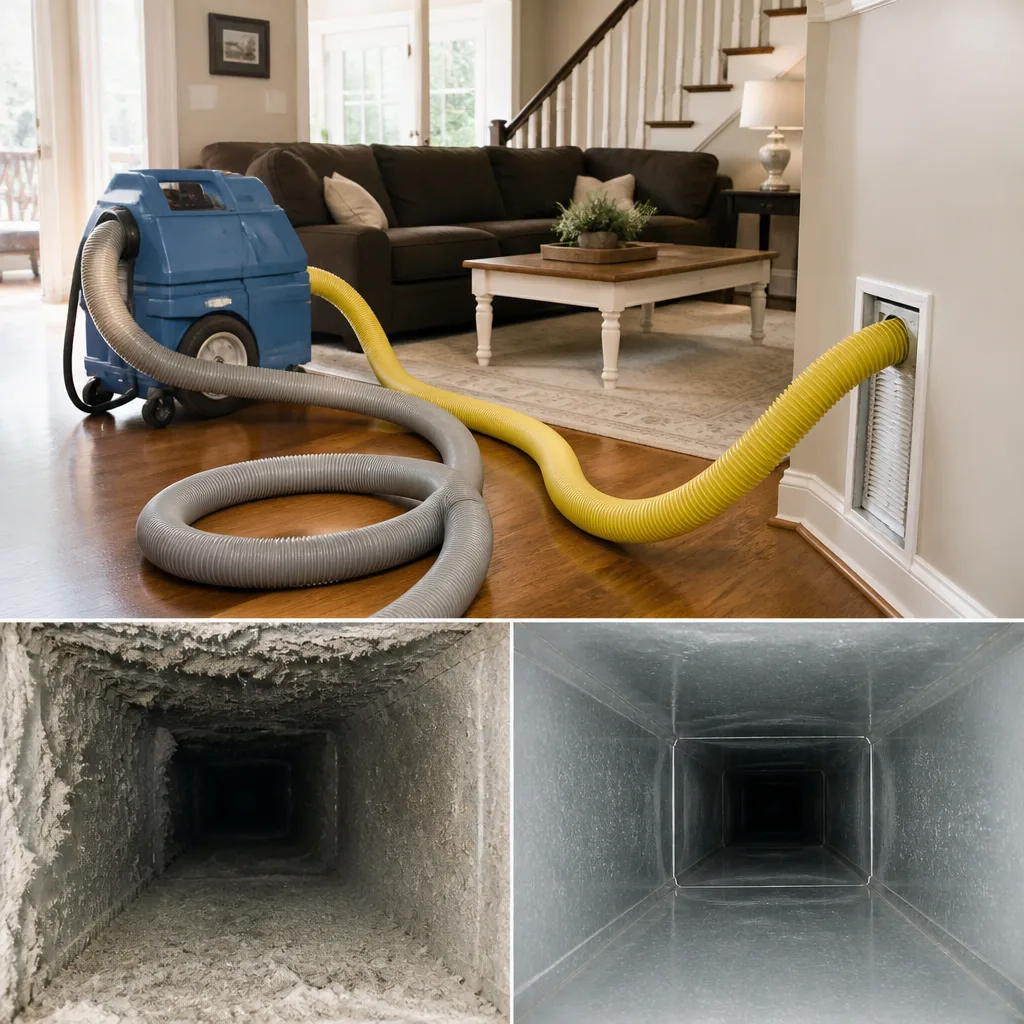 Whole-home duct cleaning
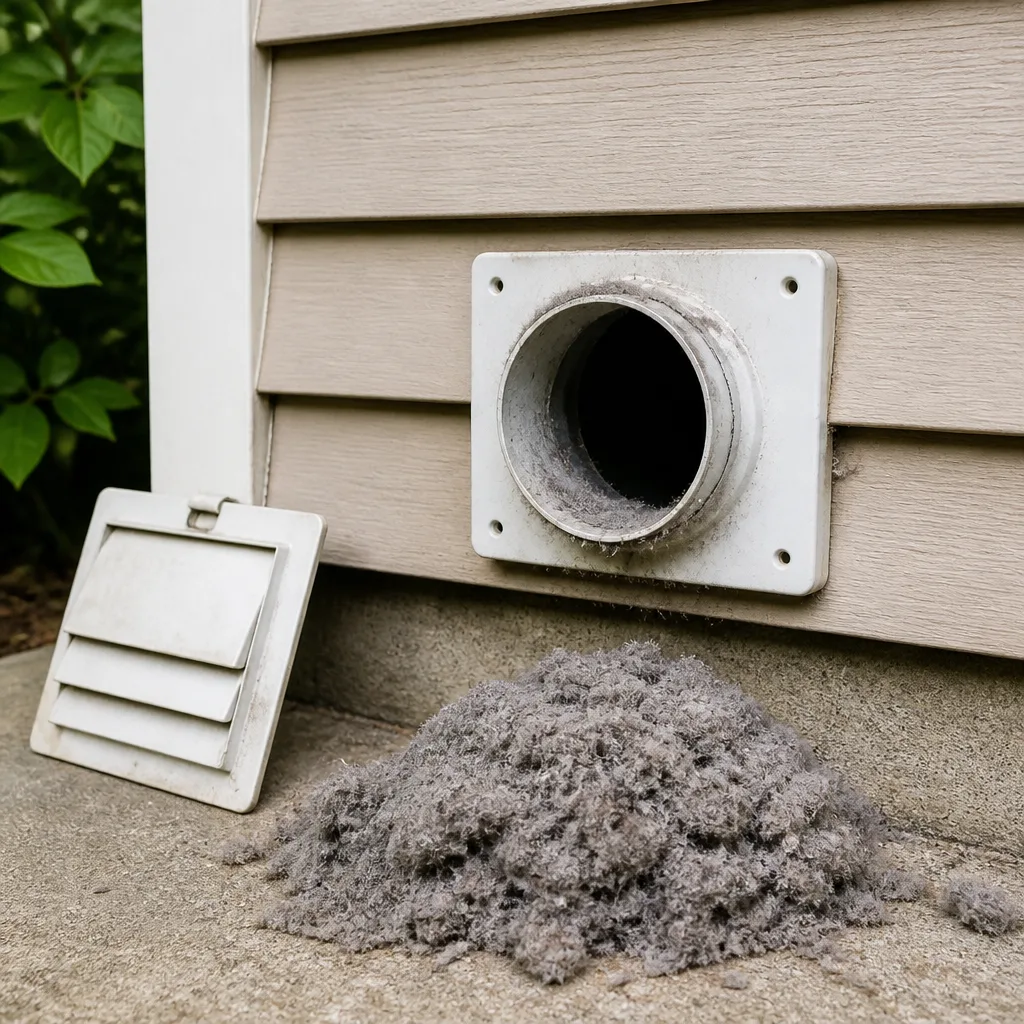 Dryer vent cleaning
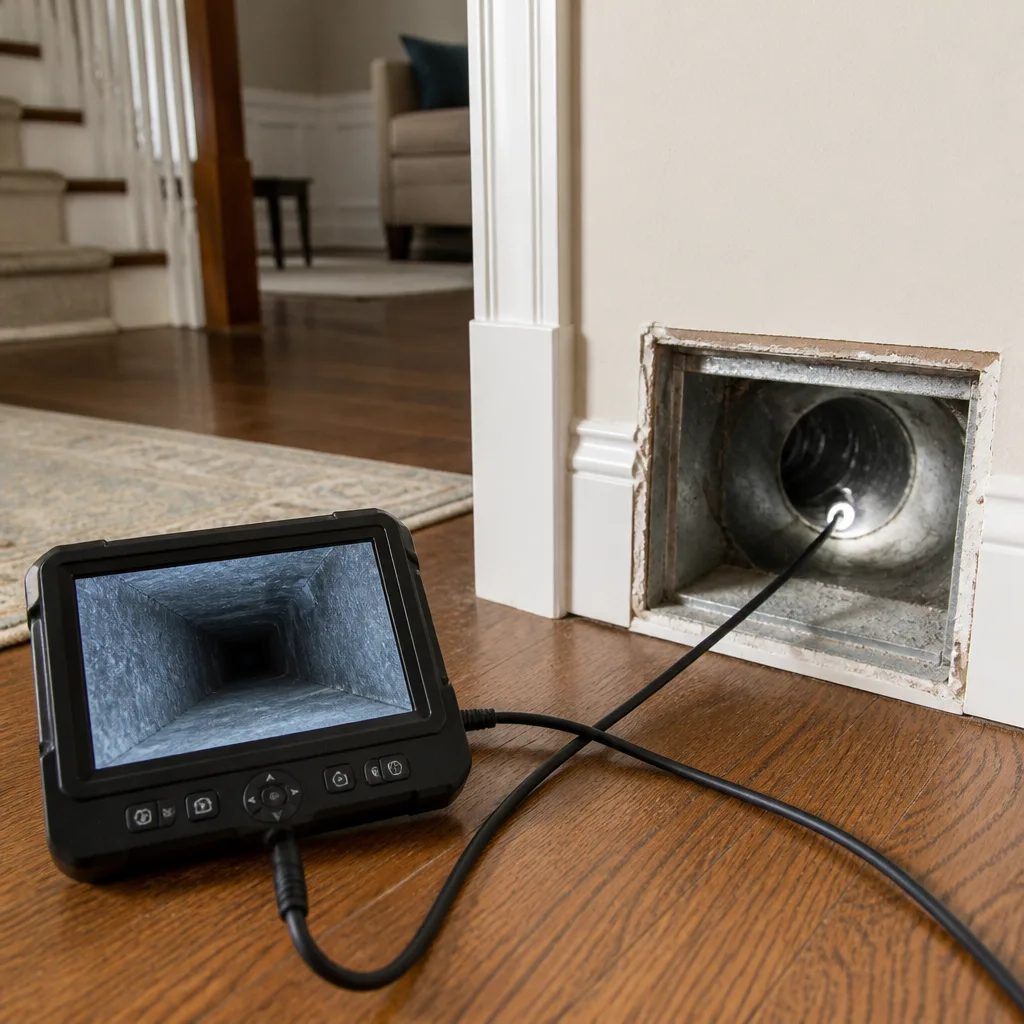 Camera inspection
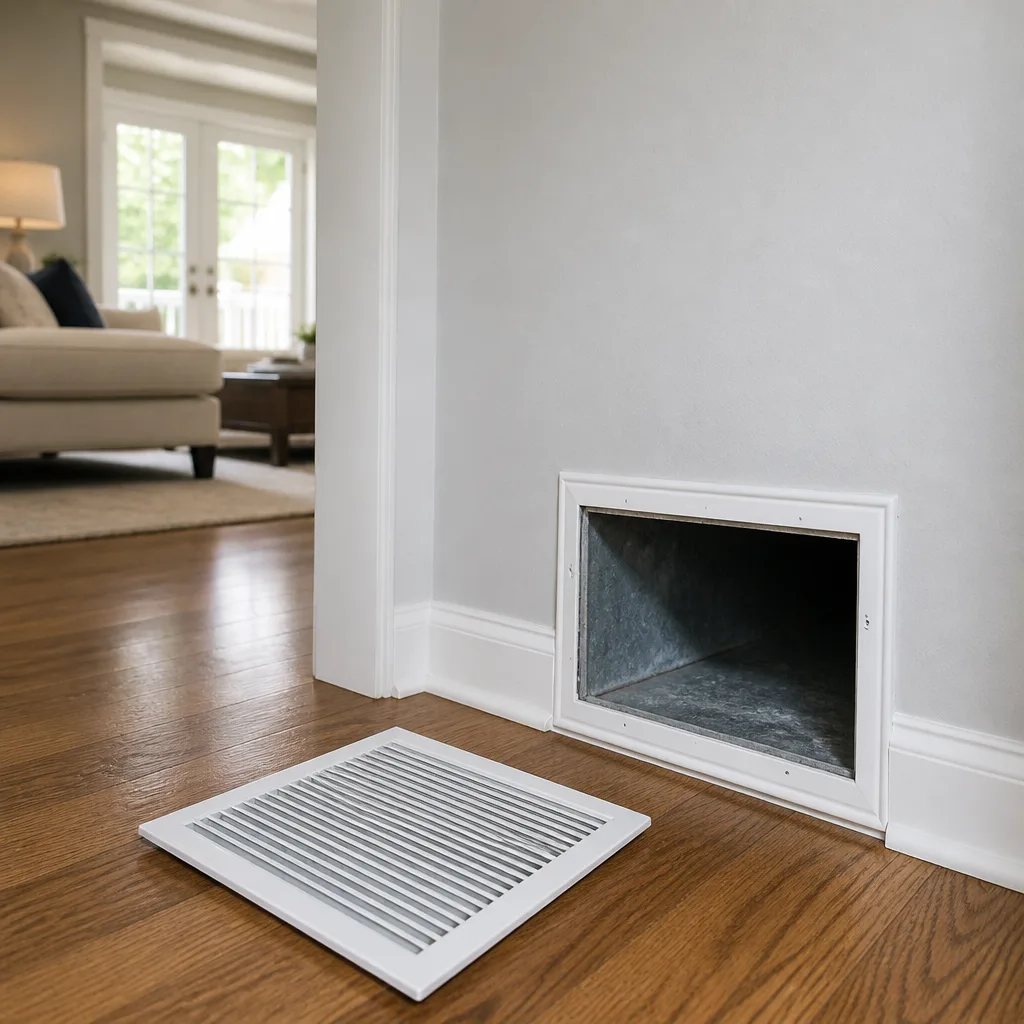 Sanitizing & deodorizing
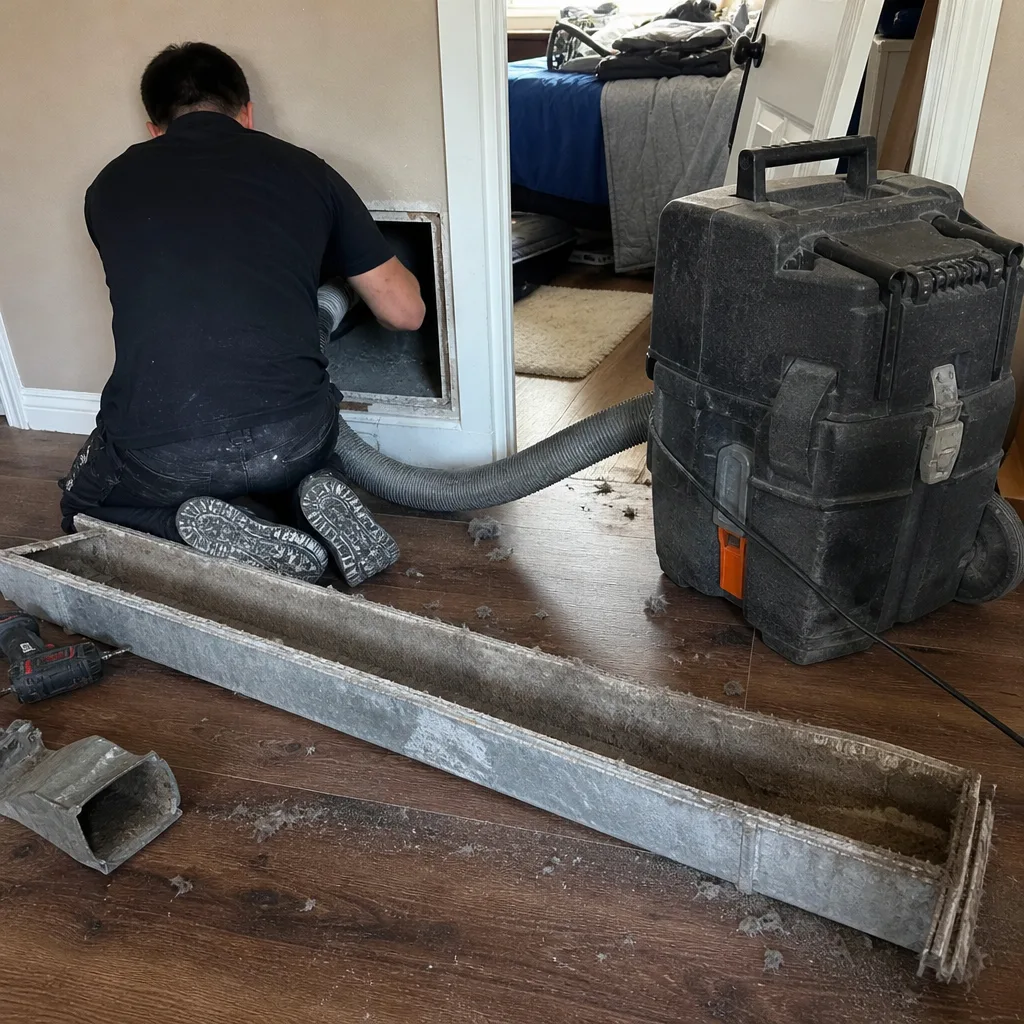
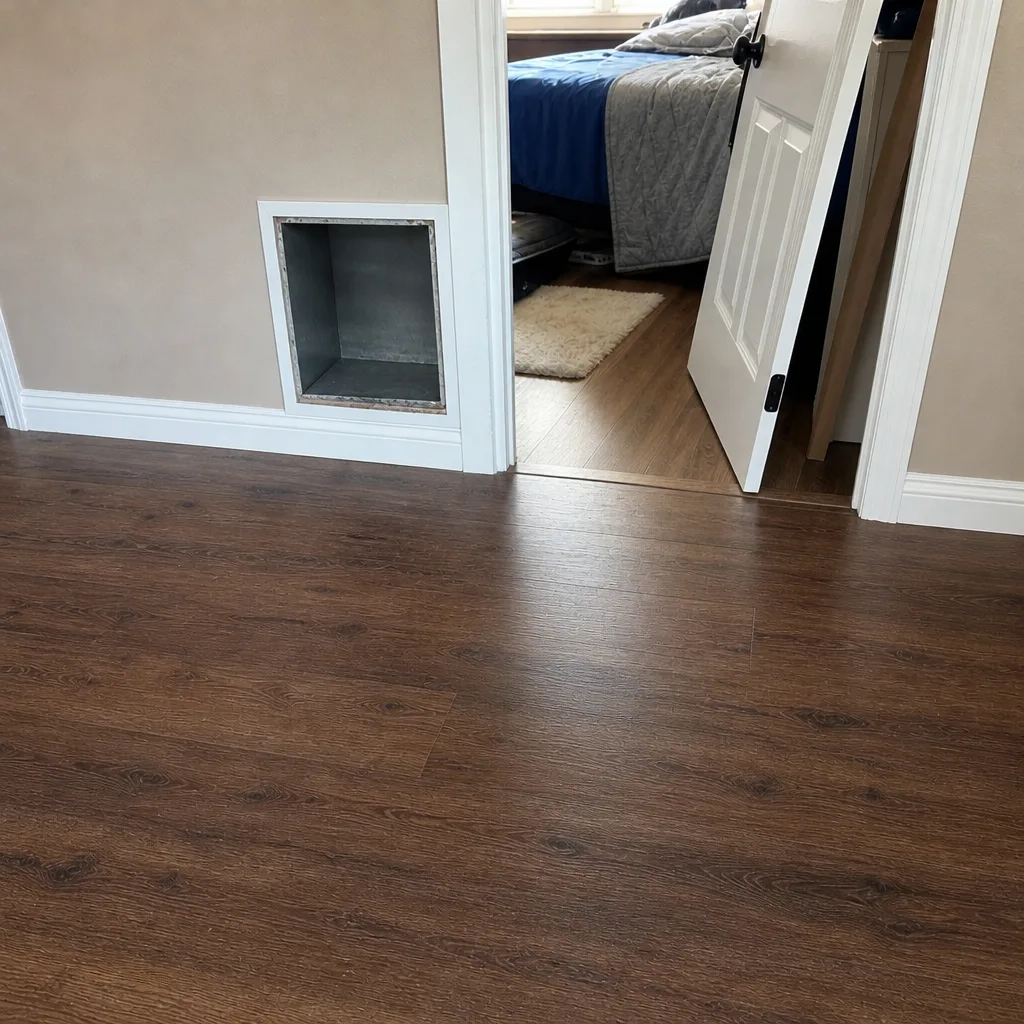
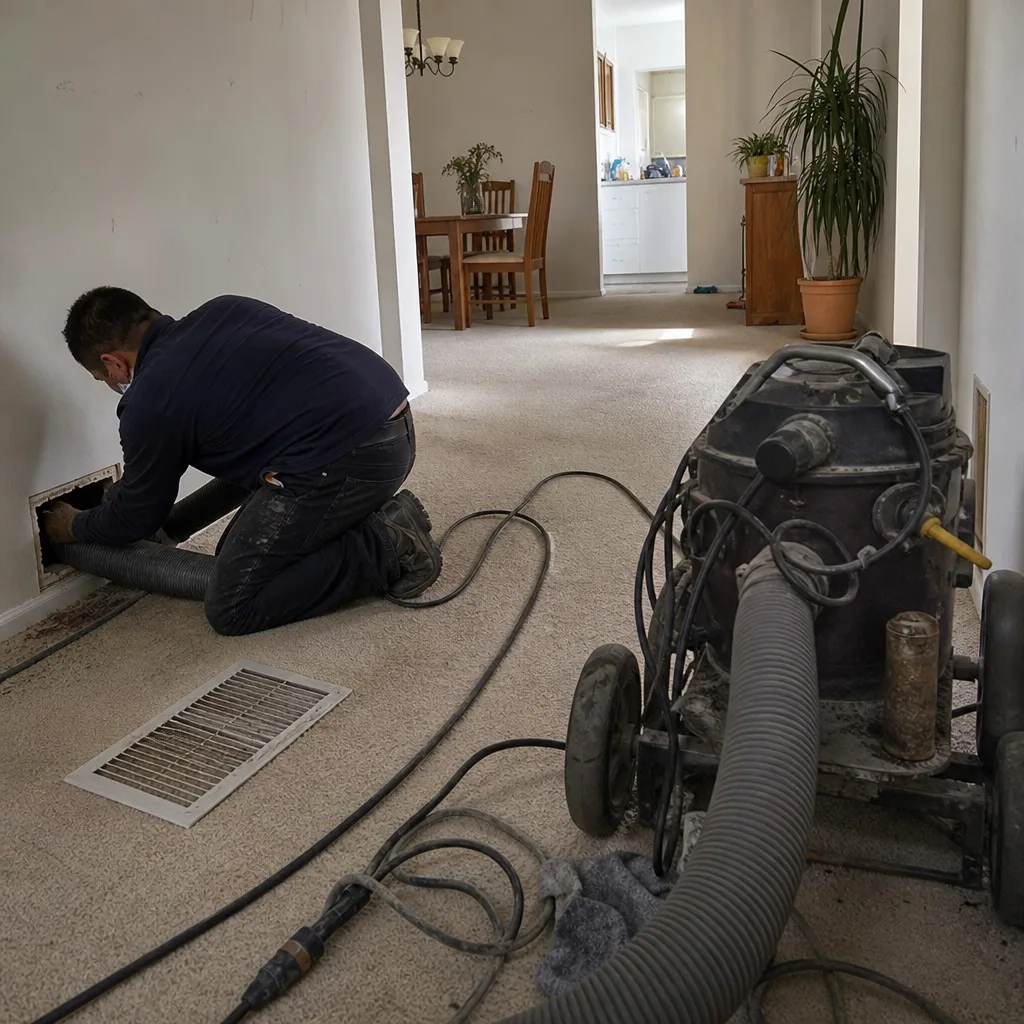
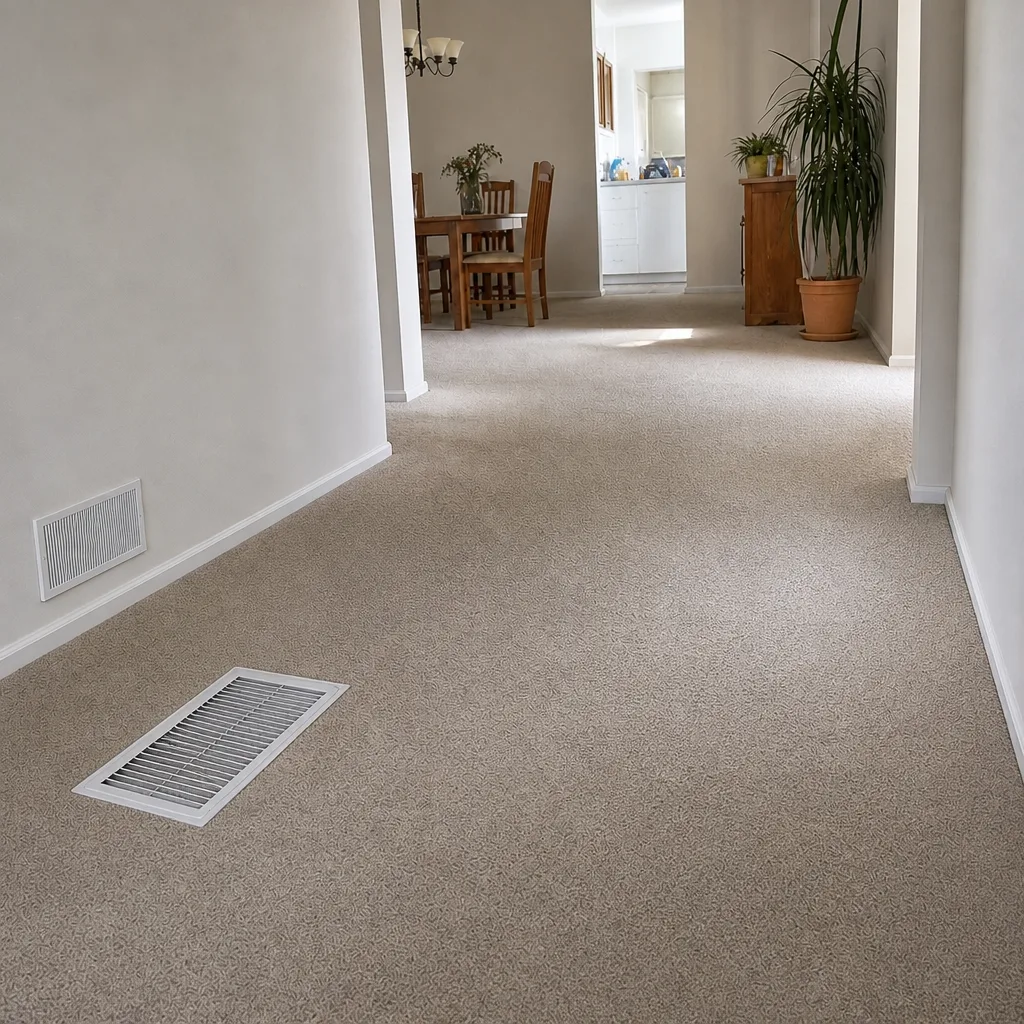
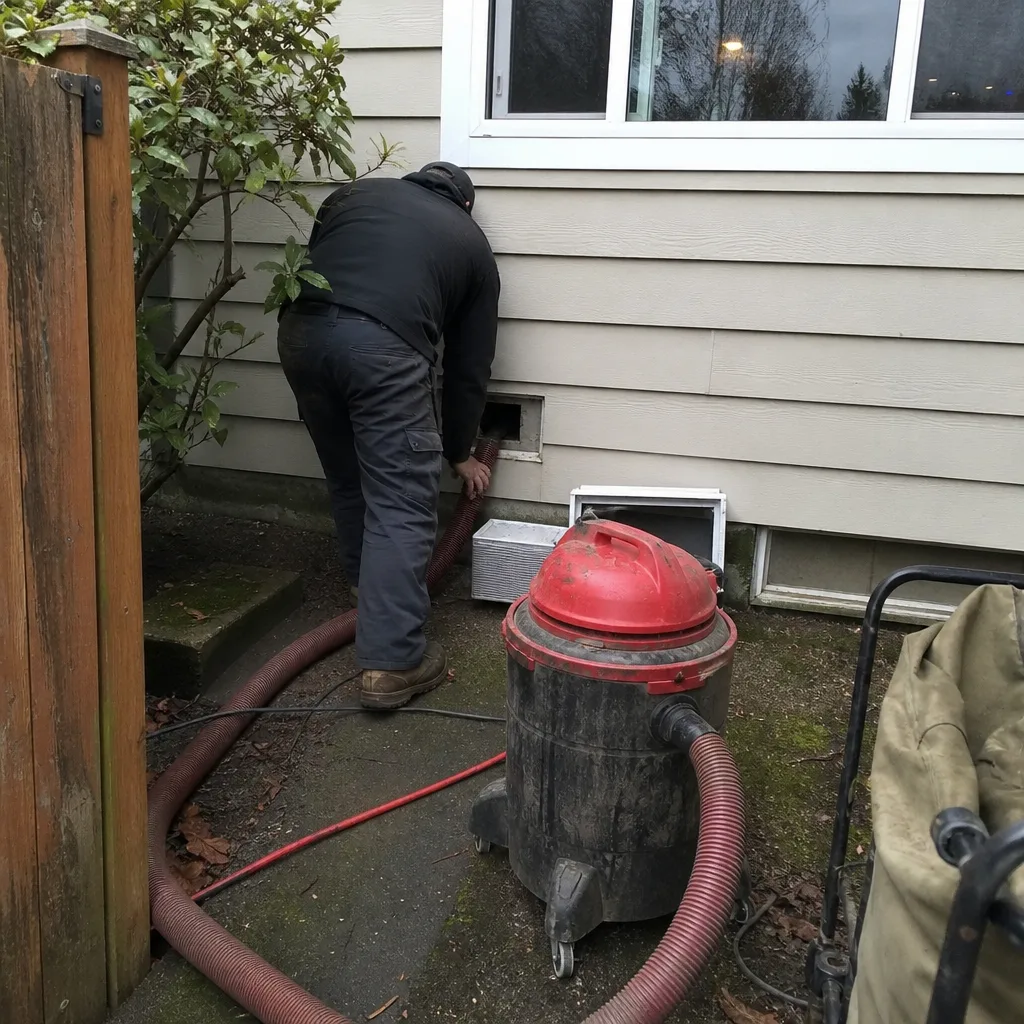
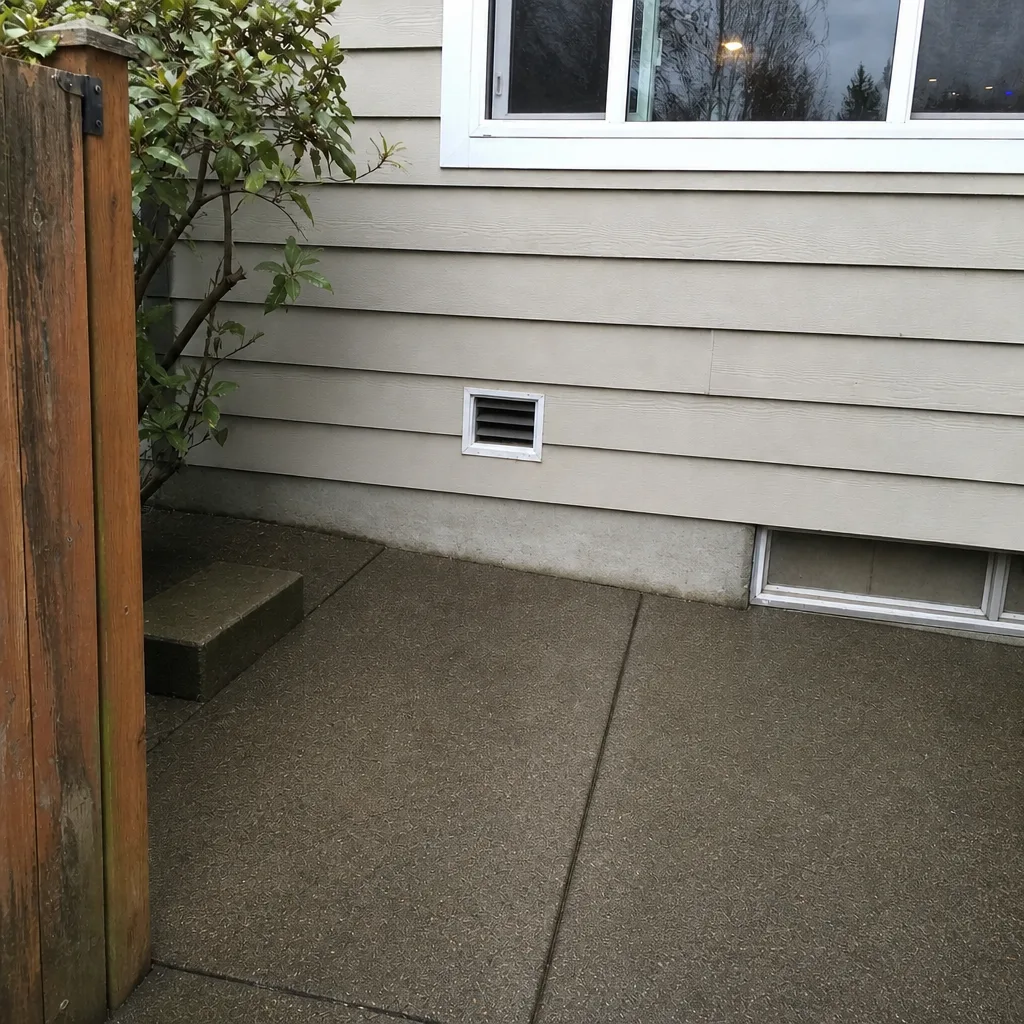
Whole-system duct and dryer vent check with before-and-after photos - you see exactly what came out of your vents
That "$99 whole-house special" is a bait ad - the real number appears once they are in your hallway, or the "clean" is a shop-vac at the register. We photograph the inside of your ducts before and after instead.
The Complete Guide to Air Duct Cleaning in Renton
Most air duct guides you find online were written for Phoenix or Atlanta, where ducts dry out for months at a time and dust is the main enemy. Renton doesn’t work that way. We sit in a temperate rainforest climate where ductwork faces moisture-driven mold and biofilm risk through most of the year, and where cedar and fir pollen loads stack up season after season. That changes what actually needs cleaning, how often, and what a real job should look like when it’s finished. This guide treats Renton homes as a distinct environment with distinct problems. You’ll learn how to spot true source-removal cleaning, read a job estimate, verify the work, and understand why the equipment names on the invoice matter as much as the price at the bottom.
Quick Answer
Air duct cleaning in Renton typically means a full source-removal clean of the entire air pathway – supply and return ducts, registers, plenum, and often the HVAC air handler – using professional-grade equipment like Rotobrush and Nikro systems with HEPA filtration running throughout the job. For most Renton homes, that puts a whole-system clean in the range of $400-$700, though long runs, multiple systems, or heavy contamination push it higher. It’s not a per-vent rate game, and it’s not a shop-vac with a long hose. It should always be quoted per system, in writing, before anyone touches a register.
Styles & brands we work with
- Whole-home duct cleaning
- Dryer vent cleaning
- Camera inspection
- Sanitizing & deodorizing
Table of Contents
- Why Renton’s Climate Changes What Your Ducts Need
- Source Removal vs. “Blow-and-Go”: The Only Distinction That Matters
- Cedar River Corridor and Green River Valley: When Debris Loads Beat Standard Intervals
- What a Full Air Pathway Clean Actually Involves
- Reading a Post-Cleaning Inspection: Mirrors, Cameras, and Airflow
- How to Read a Job Scope Estimate Line by Line
- What Air Duct Cleaning Costs in Renton
- Dryer Vent Cleaning: The Safety Half of Air Quality
- Duct Repair and Sealing: Why We Seal What We Clean
- Common Mistakes to Avoid
- When to Call a Professional
- Frequently Asked Questions
- The Bottom Line
Why Renton’s Climate Changes What Your Ducts Need
Renton sits in a marine climate that most national air-duct advice never accounts for. We get long stretches of rain from fall through spring, high ambient humidity for nine months of the year, and a mild winter that rarely drops cold enough to dry ductwork out the way a Phoenix summer does. That combination creates a specific problem inside sheet-metal ductwork: moisture-driven biofilm and mold growth on interior surfaces that a dry-climate duct would simply never see. Condensation forms on cold metal, dust and organic debris settle into that film, and the whole substrate becomes a food source. It doesn’t happen overnight, but it happens reliably.
Add the pollen cycle and the picture gets clearer. Renton is surrounded by Douglas fir, western red cedar, and bigleaf maple, and the regional pollen load feeds directly into return-air intakes through open windows, gaps at the air handler, and porous filter frames. Fine cedar and fir pollen doesn’t just sit on top of the filter – it works past cheap media filters and settles along the return trunk, where it clumps with moisture and turns into the grey paste our technicians find on every job that went too long between cleanings.
What this means practically:
- Cleaning intervals should be tighter than the “every 3-5 years” national advice. In our experience, a Renton home with pets, allergy sufferers, or original 1980s ductwork is looking at closer to every 2-4 years.
- Moisture control matters as much as dirt removal. A cheap clean that scrubs the trunk but leaves the biofilm film on the interior of the branch runs is going to reseed the whole system in a season.
- Sanitizing makes sense here in a way it doesn’t in dry climates. An antimicrobial treatment after source removal addresses the root cause, not just the visible debris.
- Duct sealing is a real priority. Leaks let in crawlspace and attic air with the moisture still in it – one of the single biggest contamination sources we see in Renton homes.
None of this is a scare tactic. It’s just what the climate does to sheet metal that stays cool and damp. A duct-cleaning service that treats Renton like Phoenix is going to undershoot the job every time. This is why Renton Air Duct Cleaning Co treats local climate as the starting point for every scope we write, not a footnote.
Source Removal vs. “Blow-and-Go”: The Only Distinction That Matters
There are two ways to clean a duct system. One of them works, and one of them makes your invoice look cheaper until the technician leaves and you realize nothing got any better. Source removal is the industry standard – the NADCA-recognized practice of physically agitating and extracting the contamination from every surface of the system, using negative pressure to keep it from escaping into your living room. “Blow-and-go” means a technician runs a compressor line into a register for thirty seconds, dislodges some surface dust, and calls it done. The contamination lands on your ceiling fan or in the next room, and the ducts immediately start rebuildup.
You can tell them apart before anyone shows up, just from the equipment described on the quote.
What Real Source-Removal Equipment Looks Like
- Rotobrush – the rotary brush-and-vacuum system most professional duct cleaners run for residential work. It agitates the interior surface of the duct while pulling debris into a HEPA-filtered vacuum. If a quote doesn’t name this or an equivalent, ask what they’re actually using.
- Nikro – a professional-grade negative-pressure and agitation system that commercial contractors run on larger ductwork. It’s the kind of equipment you see at restoration and commercial jobs, not a shop-vac setup bolted to a hose.
- Abatement Technologies air-filtration units – HEPA-grade air scrubbers staged in the living space for the duration of the job, capturing any contaminants that escape the negative-pressure system. Without these, small puffs of dislodged dust recirculate through the house. You’ll smell it and feel it.
- Whip lines or Viper-style agitation tools – flexible rotary whips that spin as they travel down the duct, physically scrubbing the full interior surface. A straight compressor line doesn’t do this.
- Access cutting and resealing tools – because proper cleaning means accessing the duct at points that aren’t always right at the register. Registers on the wall or ceiling become the only point of attack for a blow-and-go company.
If a quote doesn’t list equipment, call and ask what system they run. If the answer is vague – “the standard vacuum” or “our machine” – that’s your answer. Cleaner air starts with the right tools, and Renton homes need professional-grade ones because of the moisture and pollen load. A blow-and-go job in a damp Renton home is the worst of both worlds: you pay for a cleaning, and the biofilm stays put.
Cedar River Corridor and Green River Valley: When Debris Loads Beat Standard Intervals
The national “every 3-5 years” cleaning interval assumes a relatively stable environment. Homes throughout Renton don’t live in that world. Within the Cedar River corridor – think neighborhoods like Kennydale, Highlands, and the older stretches winding south – return-air intakes pull in a continuous load of fine organic debris: leaf litter, cedar pollens, mold spores off surrounding conifers, and cottonwood fluff in late spring. Those debris loads accumulate faster than a generic interval predicts, and they combine with high moisture to accelerate biofilm formation.
The Green River Valley side of Renton adds its own profile. Homes close to the river floodplain stay damper through the shoulder seasons, and crawlspace humidity is more persistent than on higher ground. When ducts leak, or when a return trunk runs through a humid crawl, the air pathway pulls in that damp air and deposits the contaminants on the cold metal surfaces. We see more mold and mildew smell on return trunks in the valley than we do in the higher, drier neighborhoods around Talbot Hill or Tiffany Park.
Homes in these areas should treat cleaning intervals as a function of their debris load, not a calendar:
- Annually check the return filter and the register interiors. A quick look at the return plenum tells you whether you’re running ahead of schedule.
- Watch for seasonal cues rather than using a fixed countdown. If cedar pollen season leaves visible dust on interior walls near returns, or if you’re changing filters more often than you used to, that’s a signal.
- Schedule a professional air duct cleaning every 2-3 years if you’re in the Cedar River corridor or Green River Valley and have pets, kids with allergies, or original ductwork from the 1970s-1990s.
- Address moisture sources. Sealing duct joints and improving crawlspace vapor barriers matters as much as the cleaning itself in these zones.
If you’ve renovated recently – and there’s plenty of renovation happening in older Renton housing stock – dust loads spike. Drywall dust is fine enough to circulate through the entire system and clump on the interior of the return trunk. A post-renovation clean is essentially mandatory, not optional.
What a Full Air Pathway Clean Actually Involves
“Air duct cleaning” as a service name only covers part of the system. A proper job in a Renton home treats the full air pathway as one connected environment: the return ducts, the air handler and evaporator coil, the supply trunks and branches, the registers, and – if it hasn’t been done – the dryer vent. Those components share air. Contamination in one contaminates the rest.
Here’s how a full-service job typically runs on site:
- Pre-inspection. Before anything runs, the technician walks the system: how many zones, how many returns, what condition the air handler is in, what the access situation looks like. This is where the accurate scope comes from, and where the estimate gets confirmed.
- Setup and containment. Abatement Technologies air-filtration units get placed in the living space. Negative pressure is established on the duct system so contamination flows toward the vacuum, not into your kitchen.
- Source removal – supply side. Rotary brushes (Rotobrush) work through each branch, agitating the interior wall while vacuum pulls debris out. Whip lines follow on longer runs.
- Source removal – return side. The return trunk is usually the worst-hit surface. Rotary agitation and vacuum, with the air handler protected so debris doesn’t get pulled through the blower.
- Air handler and coil cleaning. HVAC cleaning is a distinct service for a reason – the evaporator coil, blower wheel, and drain pan all collect the same biofilm and dust. Cleaning the ducts without cleaning the coil means the coil reseeds everything downstream.
- Register and grille cleaning. Face plates, diffusers, and grilles get pulled and washed. Squeaky or damaged seals get replaced.
- Sanitizing. An antimicrobial treatment applied to the duct interior, especially in the Cedar River corridor or Green River Valley where moisture is higher.
- Inspection and verification. Mirror check on the vents, camera footage on key runs, and airflow measurement at the registers before signing off.
We handle all five of these services – air duct cleaning, dryer vent cleaning, HVAC cleaning, duct repair and sealing, and air sanitizing – in a single visit, because splitting the air pathway across three vendors with three schedules is how contamination slips through the gaps.
Reading a Post-Cleaning Inspection: Mirrors, Cameras, and Airflow
“All done” is not an inspection. A real post-cleaning verification has three components, and if a contractor doesn’t offer them, the job is incomplete. You should be shown what was done, not told.
1. Mirror Checks at the Registers
A hand mirror angled into each register shows the interior surface of the duct just inside the boot. You’re looking for clean metal or clean flex material with no visible dust film, no debris buildup in the corner where the boot meets the branch, and no clinging grey paste. The technician should walk you to at least a few registers – the ones that were worst before cleaning – and show you the change.
2. Camera Footage of Key Runs
Inspection cameras run down longer supply and return trunks to capture the interior surface miles from the register. Even a short clip from the middle of the main return trunk tells you whether the cleaning actually reached the far end of the system or just the visible first few feet. Ask for footage from at least one main trunk and one branch run.
3. Airflow Measurements
A flow meter or anemometer at the registers before and after cleaning gives you actual numbers, not impressions. In a well-sealed system, cleaning should produce a modest airflow improvement – noticeable if the ducts were significantly restricted. More importantly, if the numbers are off, that’s a sign of a duct leak or restriction that needs repair, not more cleaning.
Before-and-after photos of your own ducts should accompany the sign-off. Anyone who can’t photograph their own work has a reason. When you book with a professional who knows what they’re doing, this is the part that separates them from the guy with a shop vac and a hose.
How to Read a Job Scope Estimate Line by Line
The single most common complaint about duct cleaning is bait-and-switch pricing – a headline number becomes a much larger invoice once the technician is at the door. Renton homeowners are right to be suspicious. The fix is simple: one flat price per system, in writing, before anyone shows up. Here’s how to read the scope documents you should get before the crew arrives.
What a Legitimate Estimate Should Name
- The number of systems being cleaned – a single-zone home, a zoned home with two air handlers, add-ons. Duct cleaning is priced per system, not per vent. Any quote with a per-vent rate is a red flag.
- Which components are included – supply only, or supply plus return? Was the air handler in scope? Was the coil? A return-only clean is half a job.
- Equipment names. Rotobrush, Nikro, Abatement Technologies air-filtration units. If the estimate lists none, you’re paying for a hope.
- Access method. Are they cutting in access panels and resealing them, or working only through registers? Cutting in access is standard for a proper clean.
- Sanitizing and scope of IAQ products. If they’re recommending a Honeywell or Aprilaire filtration upgrade, that should be itemized separately from the cleaning, not bundled in.
- Verification method. Mirror check, camera footage, airflow measurement – these should be on the estimate as inclusions.
- Duct repair and sealing, quoted separately if needed. A specialist will flag visible leaks, disconnected joints, or crushed runs during inspection. That should be a separate line item, not absorb into the cleaning invoice.
Red Flags in the Scope
- Per-vent pricing.
- No mention of equipment.
- No containment or HEPA filtration during the job.
- Add-on pricing that only surfaces after the truck is at your door.
- “Free” extras that turn out to be conditional on other services.
A real specialist quotes the full system in writing, responds to questions about scope before the visit, and shows before-and-after photos at sign-off. That’s the whole game.
What Air Duct Cleaning Costs in Renton
Exact pricing depends on the number of systems, the length and configuration of the duct runs, and how heavy the contamination is. In our experience pricing in the Renton market, here are typical estimates:
| Service | Typical Estimated Range |
|---|---|
| Air duct cleaning, single-system home (up to ~2,500 sq ft) | $400 – $600 |
| Air duct cleaning, larger single-system home or zoned system | $600 – $900 |
| Return-side-only cleaning (when supply is already clear) | $250 – $400 |
| Air handler and coil cleaning (HVAC cleaning) | $200 – $400 |
| Dryer vent cleaning | $120 – $200 |
| Air sanitizing treatment (post-cleaning) | $100 – $200 |
| Duct repair and sealing (per leak or per run, variable) | $150 – $450+ |
| Honeywell or Aprilaire IAQ filter or purification upgrade (installed) | $350 – $900 |
Those ranges are what you can expect as a typical estimate, not a fixed quote. The written estimate you receive on-site sets the final price – a long Cedar River corridor home with original 1980s flex duct and three returns lands in a very different place than a two-year-old Highlands build with one zone. We don’t price per vent, and we don’t quote low and revise up after you’ve booked. One flat price per system, agreed before work begins.
Why are some quotes so much cheaper? Because they’re not the same job. A $99-per-vent coupon price becomes a much larger invoice once the tech is on-site and the “extra” services go in. Or you get a technician who runs a compressor line through each register and calls it done – no negative pressure, no HEPA containment, no return-side work, no coil cleaning, no sanitizing. The invoice is lower; the ductwork is exactly as dirty as it was when the truck arrived. For a deeper walkthrough of what a proper air duct cleaning includes, our service page covers the full scope line by line.
Dryer Vent Cleaning: The Safety Half of Air Quality
Dryer vent cleaning is not a bolt-on upsell at the end of the visit. It’s a fire-safety service that belongs in the same visit as the rest of the air pathway, and in the Renton climate it matters more than it does in dry places. Lint accumulates faster in humid air, mold can grow on the moist lint film inside the vent run, and a restricted vent means the dryer overheats its own internal structure. The NFPA has documented lint buildup and restricted venting as leading contributors to residential house fires. That’s not hyperbole; it’s a well-documented safety issue.
Signs your dryer vent needs cleaning now, not later:
- The dryer takes noticeably longer to dry a load than it used to.
- The exterior vent flap barely opens, or opens weakly.
- The dryer itself feels hot to the touch at the back or top.
- The laundry room is more humid or warmer than it should be during a cycle.
- You haven’t had the vent cleaned in more than a year – common in Renton homes where the dryer is used several times a week.
Rigid metal vent runs clear more reliably than the flexible foil or plastic types, and any contractor who cleans the vent should also inspect the run for crushed sections or disconnected joints – because if the run is compromised, cleaning it doesn’t fix the fire risk. Fire safety and air quality belong in the same conversation, which is why we handle dryer vent cleaning as a standing service, not a phone sales add-on.
Duct Repair and Sealing: Why We Seal What We Clean
Cleaning a leaky duct system is like mopping a floor with the tap still running. In Renton, leaks matter doubly because they’re not just an efficiency issue – they’re a moisture and contamination pathway. A disconnected joint in a return trunk running through a damp crawlspace pulls in soil air, mold spores, and fine debris every time the system runs. We seal what we clean for that reason. Repair and sealing is a separate capability from cleaning, and it’s the one that separates a true air-pathway specialist from a cleaning-only operator.
What repair and sealing covers:
- Disconnected or crushed joints in flex and sheet-metal runs – found during inspection, repaired before sign-off.
- Sealing leak points at boots, plenums, and the air handler connection with mastic or foil tape rated for the application.
- Replacing failed flex sections where the inner liner has collapsed or torn.
- Re-attaching boots that have pulled away from the floor or ceiling penetration.
Sealing a system well also reduces the energy load – less conditioned air escapes into the crawlspace, so the HVAC system works less to hold a setpoint. In a Renton home, that savings is secondary. The primary win is that contaminants stop entering the air pathway in the first place, which is what makes the cleaning hold.
Where Indoor Air Quality Products Fit In
Cleaning resets the system. It doesn’t keep it clean forever, and in a marine climate with a heavy pollen load it doesn’t take long before the dust film starts to rebuild. That’s where filtration and IAQ products come in, and it’s why we carry Honeywell and Aprilaire products that are stocked by HVAC professionals rather than the big-box aisle. Honeywell and Aprilaire whole-home media filters and purification systems sit at the air handler, which is the right location to catch contaminants before they enter the supply side. A media filter cabinet installed at the return plenum is a meaningful upgrade over a 1-inch slot filter, and adding a purification unit (Honeywell or Aprilaire, integrated with your existing system) helps with residual odors, VOCs, and fine particulates that media filters don’t catch.
Guardsman antimicrobial products round out the treatment side – applied after cleaning to interior duct surfaces that tend to encourage biological growth in a damp Renton environment. None of this replaces cleaning; all of it extends how long a proper clean holds. For guide pricing on Honeywell and Aprilaire upgrades, see the cost section above.
Common Mistakes to Avoid
- Booking on a coupon price. That $99-per-vent figure is the entry point, not the final invoice. Expect add-ons, “emergency” contamination findings, or a much bigger scope once the tech is at the door. Ask for a written per-system price before booking.
- Skipping the return side. Renton homes show the worst contamination on the return trunk, because that’s where moisture-laden air deposits its load. A supply-only clean leaves the main contamination pathway untouched.
- Cleaning the ducts without cleaning the coil. The evaporator coil, blower wheel, and drain pan are the beating heart of the air pathway. Cleaning the ducts and leaving the coil is a job half done, and the coil reseeds everything downstream.
- Using a shop-vac “professional” who isn’t set up for negative pressure. Without HEPA containment (like Abatement Technologies units) and proper negative pressure, dislodged debris recirculates into the living space. You’ll see the dust on the furniture the same afternoon.
- Ignoring the dryer vent because it “wasn’t in the quote.” Dryer vent cleaning is a fire-safety service. Add it in the same visit while the technician is already set up. It costs a fraction of the rest of the job and answers a true risk.
- Trusting the calendar instead of the debris load. Homes in the Cedar River corridor or Green River Valley with pets, allergies, or original ductwork need a shorter interval than the national “3-5 years.” Watch your filters and your registers, not just the calendar.
- Skipping the post-job inspection. Accept the sign-off only after a mirror check at the registers, camera footage, and airflow measurements. If a contractor won’t walk you through those, the job wasn’t verified.
- Assuming a clean system stays clean without sealing. Leaks reintroduce contaminants daily. Repairing and sealing leaks is what makes a cleaning hold through another damp Renton season.
When to Call a Professional
Some homeowner maintenance is safe and sensible. Cleaning your own ductwork is not, because the tools required to do it right – rotary agitation, negative-pressure extraction, HEPA containment – aren’t homeowner tools. Call a professional if any of the following apply: you’ve just finished a remodel or drywall project; someone in the home has asthma or allergy symptoms that seem worse indoors; the registers show visible dust or debris, or there’s a musty smell when the system runs; your system is more than 10-15 years old and hasn’t been cleaned on record; the dryer is taking longer to dry a load; you’re moving into a resale home with unknown duct history; or your filter is clogging faster than it used to. Those signals stack up faster in Renton’s climate than most national advice suggests.
Renton Air Duct Cleaning Co offers free estimates in Renton – call (855) 337-1999. We answer 24/7, with fast dispatch from 7am to 7pm, Sunday through Friday. One flat price per system, in writing, before work starts. Before-and-after photos of your own ducts at sign-off.
Frequently Asked Questions
A typical whole-system clean in Renton runs $400-$700 for a standard single-system home, with larger or zoned homes and heavier contamination pushing toward $900 or more. Return-side-only cleanings, HVAC coil cleaning, dryer vent cleaning, and sanitizing are typically quoted as separate line items so you can see what you’re paying for. The written estimate you receive on-site sets the final price. Call (855) 337-1999 for an exact quote – estimates are free.
Most Renton homes fall in a 2-4 year range, tighter than the national 3-5 year advice, because the marine climate encourages moisture-driven biological growth and the regional pollen load accumulates faster. Homes in the Cedar River corridor or Green River Valley, homes with pets, homes with allergy or asthma concerns, and homes with original ductwork from the 1970s-1990s should stay at the shorter end. Post-renovation cleaning is a one-off addition, not a substitute for the normal cycle.
Because they’re not the same job. Cheap quotes typically price per vent as a headline figure, skip the return side, skip the air handler and coil, skip HEPA containment during cleaning, and use a compressor line rather than rotary agitation. The invoice looks smaller until you count the add-ons or until nothing has actually changed. If the quote doesn’t name equipment like Rotobrush, Nikro, or Abatement Technologies, ask why. Call (855) 337-1999 for a transparent per-system estimate.
You verify with a mirror check at the registers, camera footage of at least one main trunk and one branch run, and before-and-after airflow measurements at a few key registers. Before-and-after photos of your own ducts should accompany the sign-off. A contractor who cannot show you any of this has not proven the job. Estimates are free – call (855) 337-1999 to book an inspection.
It often helps meaningfully when the contamination source is genuinely present in the air pathway – accumulated biofilm, pollen, or renovation dust. Cleaning removes the source; sanitizing addresses residual biological load; a Honeywell or Aprilaire filtration upgrade keeps it from rebuilding quickly. Duct cleaning isn’t a medical treatment, and anyone promising allergy relief as a guarantee is overselling. What we can say honestly is that Renton’s climate drives organic contamination inside ducts, and removing it improves the baseline of your indoor air. Call (855) 337-1999 to talk through your specific situation.
Yes. That’s the point of treating the full air pathway as one system. When we set up for a duct cleaning in Renton, the dryer vent and HVAC cleaning go on the same schedule, so you’re not booking two or three vendors. Dryer vent cleaning also matters for safety – lint buildup and restricted venting are documented fire contributors, and humid Renton air accelerates the problem. Call (855) 337-1999 to book the combined service.
The Bottom Line
Air duct cleaning in Renton isn’t the same job it is in Phoenix or Atlanta. The marine climate drives moisture-based contamination in the ducts nine months out of the year, the regional pollen load pushes debris accumulation faster than national intervals account for, and the Cedar River corridor and Green River Valley homes see heavier organic loads on top of that. Source removal with professional equipment – Rotobrush, Nikro, Abatement Technologies containment – is what actually works. Per-vent pricing and blow-and-go cleaning don’t. Get a written per-system scope, verify the job with mirrors, cameras, and airflow measurements, and deal with leaks and sealing in the same visit you clean. That’s how the work holds. For an honest, equipment-specific, flat-priced estimate in Renton, call (855) 337-1999 for a free estimate.
For the full renton air duct cleaning co service menu, our parent page covers all five services – air duct cleaning, dryer vent cleaning, HVAC cleaning, duct repair and sealing, and air quality and sanitizing – under one booking. Our technicians have up to 15 years of experience working the air pathway in this climate, and the local professional we connect you with is licensed and insured as their state requires.
Written by the team at Renton Air Duct Cleaning Co.
See the difference
 Before
 After
 Before
 After
 Before
 After