
Last updated November 25, 2026
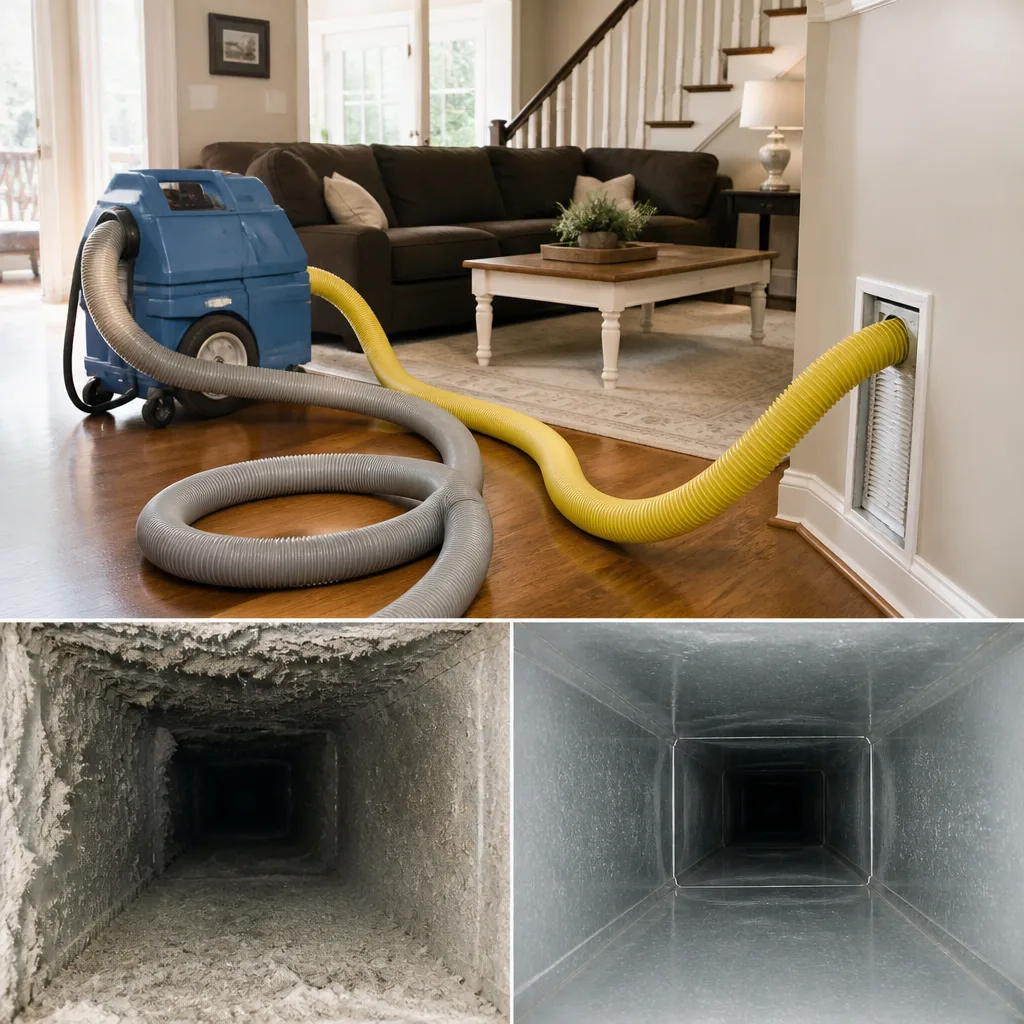 Whole-home duct cleaning
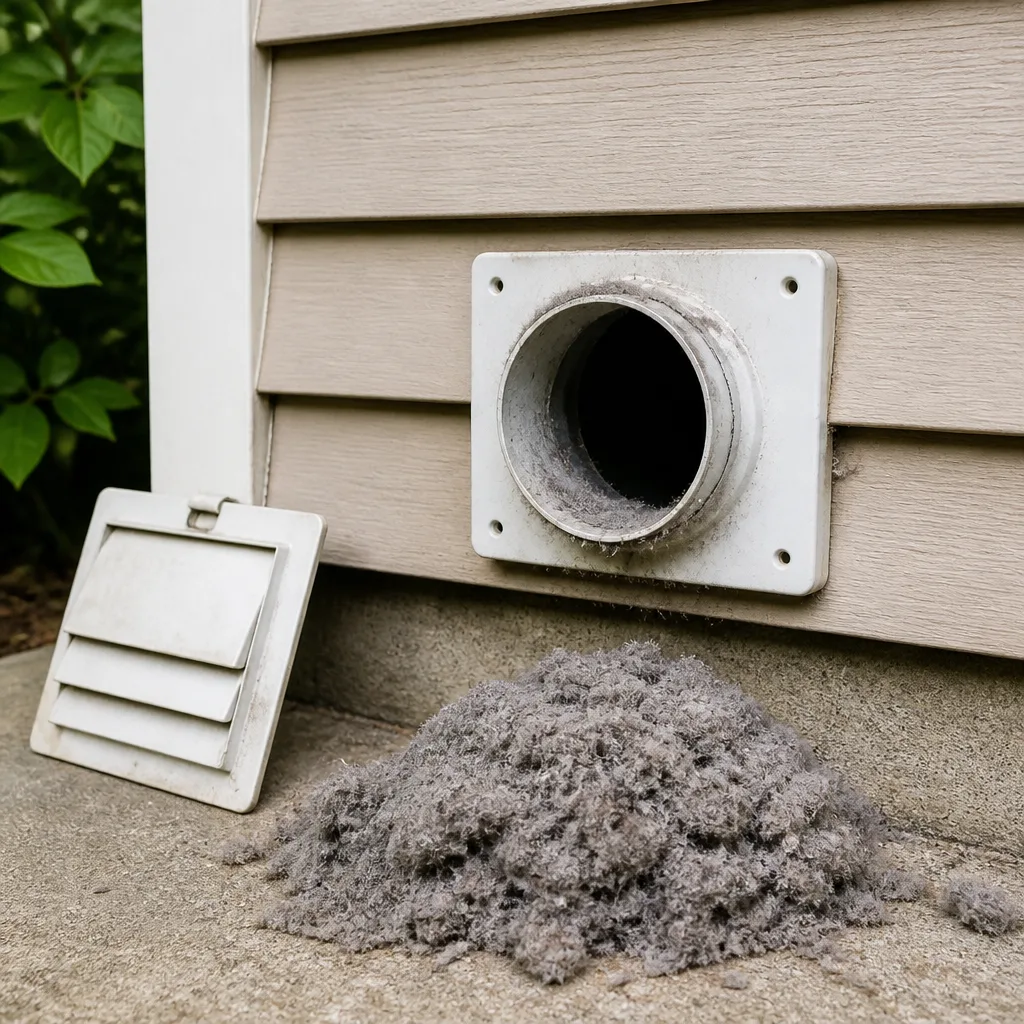 Dryer vent cleaning
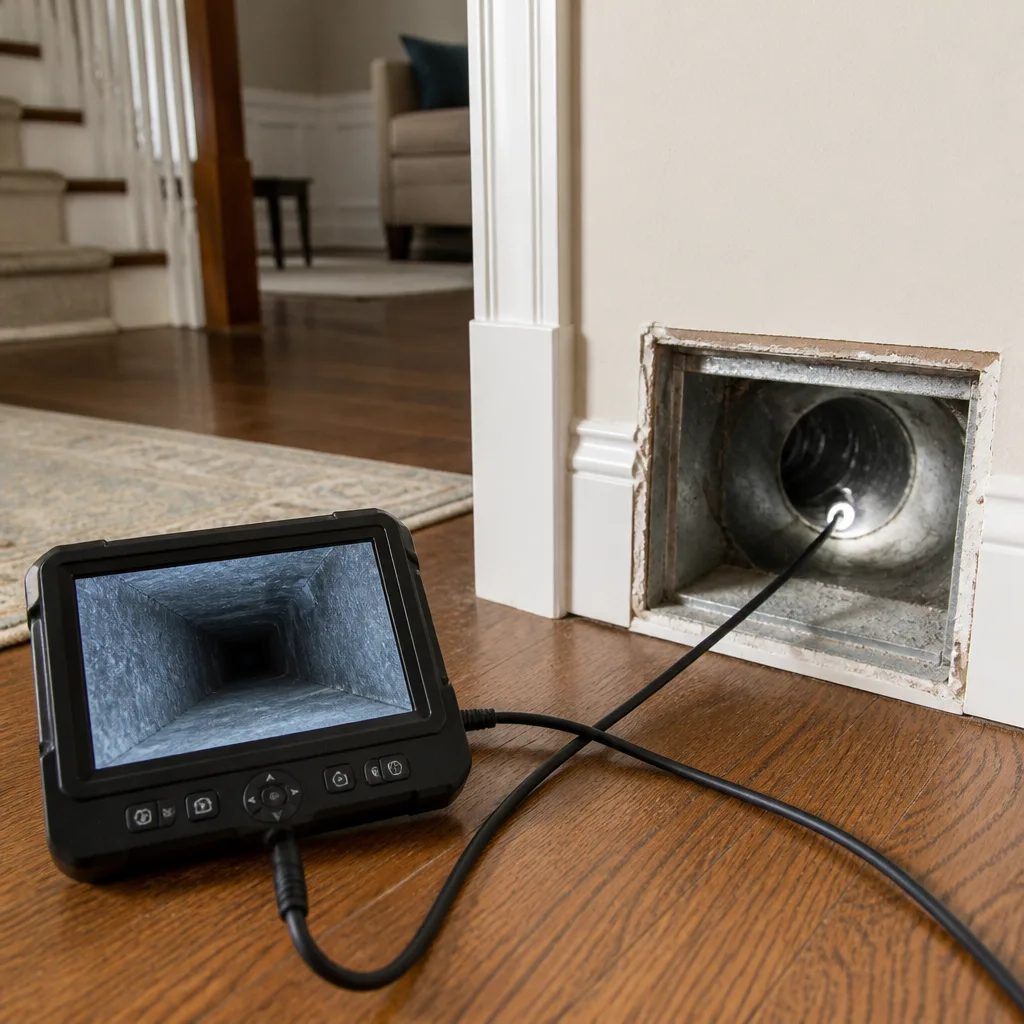 Camera inspection
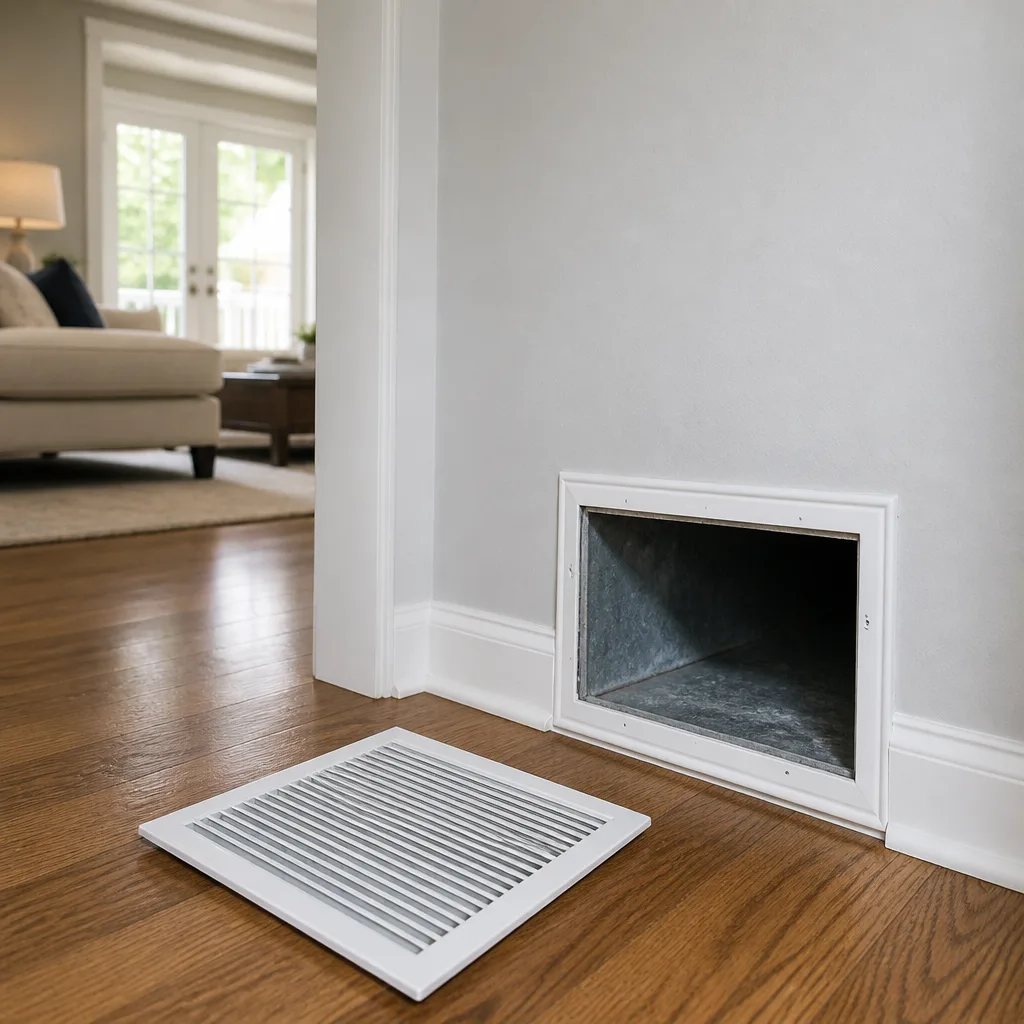 Sanitizing & deodorizing
Whole-system duct and dryer vent check with before-and-after photos - you see exactly what came out of your vents
That "$99 whole-house special" is a bait ad - the real number appears once they are in your hallway, or the "clean" is a shop-vac at the register. We photograph the inside of your ducts before and after instead.
Seasonal Air Duct Cleaning Care for Renton: Year-Round Homeowner’s Guide
Most duct cleaning advice tells you to book a service once a year and forget about it. That schedule is arbitrary, and in Renton it’s often wrong. This city sits between the Cascade foothills and the Kent Valley, where alder and big-leaf maple pollen loads the air every spring, wildfire smoke has drifted in most summers since 2017, and the first cold snap of October turns on furnaces that have sat idle for months. Each of those events hits your duct system differently. Time your care to Renton’s real seasons and every dollar does more work. This guide maps the year for you.
Quick Answer
Seasonal air duct cleaning in Renton works best on a two-year professional cycle with homeowner inspections in between, timed to four local events: a pre-season blower flush in October before the furnace starts, humidity and ventilation attention through the sealed winter months, return-air grille checks during the March-to-May pollen surge, and duct sealing before the August-to-September wildfire smoke window. Annual cleaning is rarely necessary unless you’ve had a renovation, a pest issue, or visible debris at the registers.
Styles & brands we work with
- Whole-home duct cleaning
- Dryer vent cleaning
- Camera inspection
- Sanitizing & deodorizing
Table of Contents
- Why Renton’s Seasons Matter More Than a Calendar
- Fall (October): Heating Startup and the Settled Dust Problem
- Winter (December-February): Humidity, CO2, and Sealed Homes
- Spring (March-May): Alder Pollen and Your Return-Air Grilles
- Summer to Early Fall (August-September): Wildfire Smoke Infiltration
- Building a Two-Year Service Rhythm
- The Annual DIY Inspection: What to Check and When
- The Dryer Vent Belongs on the Same Schedule
Why Renton’s Seasons Matter More Than a Calendar
The standard “clean your ducts every year” rule assumes all homes and all climates are the same. They aren’t. A house in Renton’s Highlands neighborhood, sitting at elevation with mature trees overhead, collects a different debris load than a newer build near The Landing, where construction dust and tight envelope sealing create their own issues. The seasons that matter here are specific, and they don’t line up with the spring-cleaning habit most guides push.
Renton gets a genuinely wet fall and winter, a pollen-heavy spring, and increasingly smoky late summers. That’s four distinct indoor air quality threats across twelve months. Each one loads your duct system in a different way, at a different time, and each responds to a different action. Cleaning in April, before pollen season, means your ducts are loaded again within weeks. Cleaning in November, after the furnace has already blown settled summer dust through the house, means you’ve already breathed that first dust cycle.
Here’s what we’ve learned working on Renton homes: the timing of the service matters as much as the service itself. A cleaned system that stays clean through the seasons that actually stress it will outperform a system cleaned on a fixed schedule that ignores local conditions. That’s the principle behind everything below.
Fall (October): Heating Startup and the Settled Dust Problem
October is the highest-risk month for circulating settled dust in a Renton home. Your furnace has sat idle through the dry late-summer months, and dust, pollen residue, and fine debris have settled inside the ductwork and on the blower. When the first cold snap hits and the thermostat clicks on, that material gets pushed through every room in the house in a single cycle. It’s the one time of year when the condition of your ducts is most obvious, because you can often see the dust plume at the registers.
A pre-season blower flush addresses this before it happens. Booking service in late September or early October, before the furnace runs regularly, means the settled material is removed from the system rather than distributed through your living space.
- Book before the first cold snap. Late September to early October is the window. Once the furnace is running daily, you’ve missed the cleanest opportunity.
- Have the blower compartment cleaned, not just the ducts. Settled dust on the blower wheel is a major source of the burnt, dusty smell many homeowners notice on first startup.
- Check the filter before and after. A filter that’s loaded from summer pollen will restrict airflow all winter. Replace it as part of the pre-season routine.
- Confirm the return-air path is clear. Blocked or disconnected returns in older Renton homes reduce efficiency and pull dust from unintended spaces like crawlspaces.
Our technicians have up to 15 years of experience and use professional-grade Rotobrush and Nikro equipment on every job, which reaches the blower and the full run of ductwork rather than just the accessible sections. That matters most in the fall, when the goal is a genuinely clean system before the heating season starts.
Winter (December-February): Humidity, CO2, and Sealed Homes
Renton winters push homeowners to seal up tight, and that’s exactly when indoor humidity and CO2 levels start to drift. Modern homes, especially newer construction around the Renton Highlands and Kennydale, are built with tighter envelopes than older houses. Less air exchange means moisture from cooking, showers, and breathing has nowhere to go, and CO2 from occupants accumulates. Duct condition is directly connected to both.
Leaky or disconnected ductwork can pull moist air from crawlspaces and wall cavities into the living space, or push conditioned air into places it shouldn’t go. Return-air leaks in particular can draw in crawlspace air that carries moisture and soil particles. We seal what we clean, which means the Renton Air Duct Cleaning Co approach to winter duct care includes checking and repairing the connections that allow these problems to develop.
On the humidity side, a whole-home solution often goes beyond cleaning. We install and recommend Honeywell and Aprilaire indoor air quality products, including humidification and ventilation controls, because duct cleaning alone won’t fix a home that’s too tight or too dry. Those brands are stocked by HVAC professionals for a reason: they’re built to integrate with your existing system rather than sit on a shelf in a big-box store.
- Watch for condensation on windows and cold surfaces. That’s a sign indoor humidity is running high and your home isn’t ventilating properly.
- Notice stale air or persistent odors. In a sealed Renton home, this often points to insufficient fresh-air exchange, not a cleaning problem.
- Check return-air connections at the furnace and in the attic or crawlspace. Disconnected returns are common in older homes and pull unconditioned air into the system.
- Ask about ventilation controls if your home was built or tightened in recent years. A balanced approach to fresh air is part of the full air pathway.
Winter is also a good time to schedule air duct cleaning if you skipped the fall window, particularly if the heating season has produced noticeable dust or odors. The system is running, the problem is visible, and cleaning now prevents a full winter of recirculation.
Spring (March-May): Alder Pollen and Your Return-Air Grilles
Renton’s spring pollen season is dominated by alder and big-leaf maple, and it loads return-air grilles faster than anything else on the calendar. Alder pollen is fine and produced in enormous volume, and it coats every surface it touches. Your return-air grilles are essentially the intake for your whole house, so they collect that pollen the way a screen collects lint. By late April, a grille that was clean in February can be visibly coated.
This is the season where a quick homeowner check makes the biggest difference. You don’t need a full professional cleaning every spring, but you do need to keep the return path clear so the system can breathe.
- Inspect every return-air grille in early March. Look for visible dust and yellow-green pollen buildup on the grille face and behind it.
- Vacuum grille faces with a brush attachment. This is a safe homeowner task. Don’t reach into the duct itself.
- Replace filters more often during pollen season. A filter that lasts three months in winter may need changing every four to six weeks from March through May.
- Keep windows closed on high-pollen days. Renton’s windy spring days push alder pollen into every open window.
- Note the date of your last professional cleaning. If it’s been close to two years, spring is a reasonable time to book, especially if anyone in the home has allergies or asthma.
If you have allergy or asthma concerns, spring is when a professional cleaning earns its keep. Professional-grade equipment with proper filtration captures dislodged pollen and fine debris during the cleaning rather than recirculating it. We use Abatement Technologies air-filtration equipment on every job for exactly this reason.
Summer to Early Fall (August-September): Wildfire Smoke Infiltration
Wildfire smoke has drifted into the Puget Sound region most summers since 2017, and Renton sits in a position where smoke from fires east of the Cascades can settle into the valley and linger. When outdoor air quality drops, every unsealed penetration in your duct system becomes an entry point. Smoke particulate is fine enough to pass through gaps that a visual inspection won’t catch, and once it’s inside the ductwork, it can recirculate for weeks.
The August-to-September window is your chance to seal before the smoke arrives. Gaps at duct joints, disconnected sections in attics and crawlspaces, and poorly sealed register boots are the common culprits. Duct repair and sealing is a core part of what we do because cleaning a leaky system is a short-term fix. Sealing it is what makes the cleaning hold through smoke season.
- Seal duct joints at the furnace plenum and trunk lines. These are the highest-volume leak points and the most overlooked.
- Check register boots where ductwork meets the floor or ceiling. Gaps here let smoke and dust enter directly into rooms.
- Inspect attic and crawlspace duct runs for disconnections. These pull outdoor air into the system year-round, but smoke season makes it obvious.
- Plan a filter upgrade if smoke is a recurring concern. Higher-MERV filters help, but only if your duct system is sealed well enough to make them effective.
- Schedule cleaning after any significant smoke event. Smoke residue that settles in ducts doesn’t clear on its own.
If you’re already noticing smoky odors indoors when the air quality index is high outdoors, that’s a sign your system is pulling outdoor air through unsealed penetrations. That’s a sealing problem before it’s a cleaning problem.
Building a Two-Year Service Rhythm
Annual professional cleaning is the default recommendation across the industry, but it’s often more frequent than most Renton homes need. A two-year rhythm, with homeowner checks in between, keeps air quality high without over-servicing the system. Over-cleaning isn’t harmful, but it’s unnecessary spending, and the money is better directed at sealing, filtration, or a spring grille check.
- Year one, fall: full professional cleaning before heating season, including the blower compartment and the full run of ductwork.
- Year one, winter through summer: homeowner checks. Grille vacuuming in spring, filter changes on schedule, and a visual inspection of accessible duct runs.
- Year one, late summer: check for smoke infiltration and seal any gaps you find before the smoke season peaks.
- Year two, spring: another grille and filter check. If pollen buildup is heavy or allergies are a concern, consider a professional cleaning at this point.
- Year two, fall: professional cleaning again, timed before heating startup.
Adjust the rhythm based on conditions. A home with pets, a recent renovation, a smoker, or a resident with asthma may need annual service. A newer, tightly built home with no pets and good filtration may comfortably go longer. The point is to clean based on actual conditions rather than a calendar that ignores Renton’s specific seasons.
The Annual DIY Inspection: What to Check and When
You don’t need to reach into ductwork to keep an eye on your system. A brief inspection once or twice a year catches most developing problems before they require major work. Here’s what to check and when.
- Grille faces: spring and fall. Look for dust, pollen, or soot buildup. Vacuum the grille face with a brush attachment.
- Accessible duct joints: fall. Check the connections at the furnace and any visible ductwork in the basement, attic, or crawlspace. Look for gaps, separation, or tape that’s peeling.
- Filters: monthly during pollen and smoke seasons, quarterly otherwise. A visibly gray filter is overdue.
- Register airflow: winter. Noticeably weak airflow at one or two registers can indicate a disconnected duct or a blockage.
- Odors: any time. A dusty or musty smell on startup, or persistent odors in specific rooms, suggests the system is pulling air from somewhere it shouldn’t.
One caveat: ductwork is safe to inspect visually, but never reach into it or attempt to clean beyond the grille face. Disconnected sections, sharp edges, and hidden debris make it a job for trained technicians.
The Dryer Vent Belongs on the Same Schedule
Dryer vent cleaning is a safety service, not an add-on, and it follows a similar seasonal logic. The dryer runs more in winter and during the rainy fall months, and lint accumulation in the vent line is a leading cause of residential house fires. A dryer that’s taking longer than it should, or clothes that come out hotter than usual, are common signs the vent is restricted.
We treat dryer vent cleaning as part of the full air pathway because it’s a duct system too, just a shorter one. Scheduling it alongside a fall duct cleaning keeps the whole house’s air handling on one service visit instead of two. Fire safety and air quality are handled together, which is how it should work.
Common Mistakes to Avoid
- Cleaning in April and assuming it lasts through summer. Renton’s alder pollen season reloads a freshly cleaned system within weeks. Fall cleaning, timed before heating startup, holds longer.
- Ignoring the blower compartment. Dust on the blower wheel is a major source of the burnt smell on first furnace startup. Cleaning the ducts without the blower misses the worst of it.
- Assuming a filter change is enough. A high-MERV filter won’t fix a leaky return duct pulling crawlspace air, and it won’t remove settled debris from the duct run.
- Skipping duct sealing before smoke season. Clearing debris from an unsealed system leaves the gaps that let smoke particulate back in. Duct repair and sealing is what makes the cleaning last.
- Over-cleaning on a fixed annual schedule. A newer, tight home with no pets and good filtration rarely needs annual professional cleaning. Match the schedule to conditions.
- Ignoring the dryer vent until it’s a problem. Lint accumulation is a fire risk that builds quietly. Put it on the same fall schedule as the ducts.
- Using consumer-grade equipment or a shop-vac rig. Consumer vacuums lack the filtration to capture dislodged contaminants. They recirculate fine particulate into the room rather than removing it.
See the difference
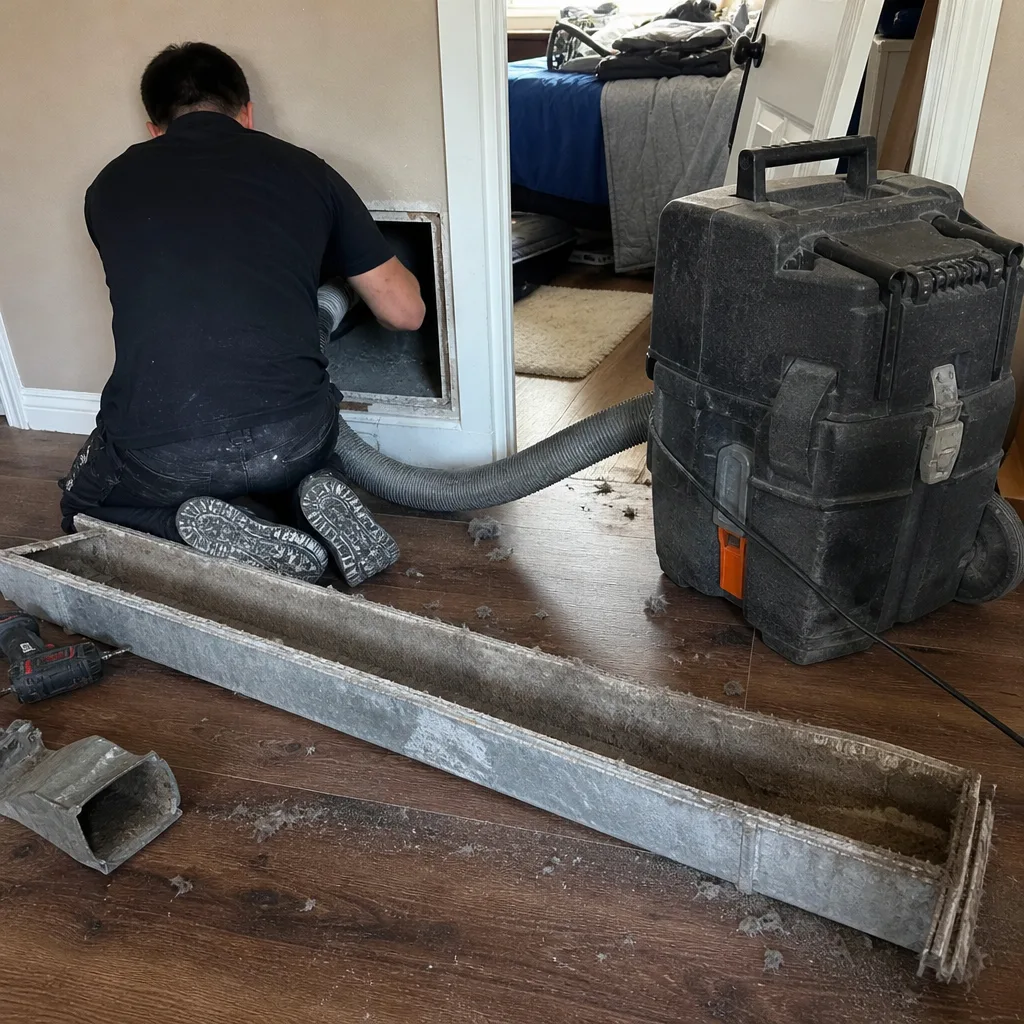 Before
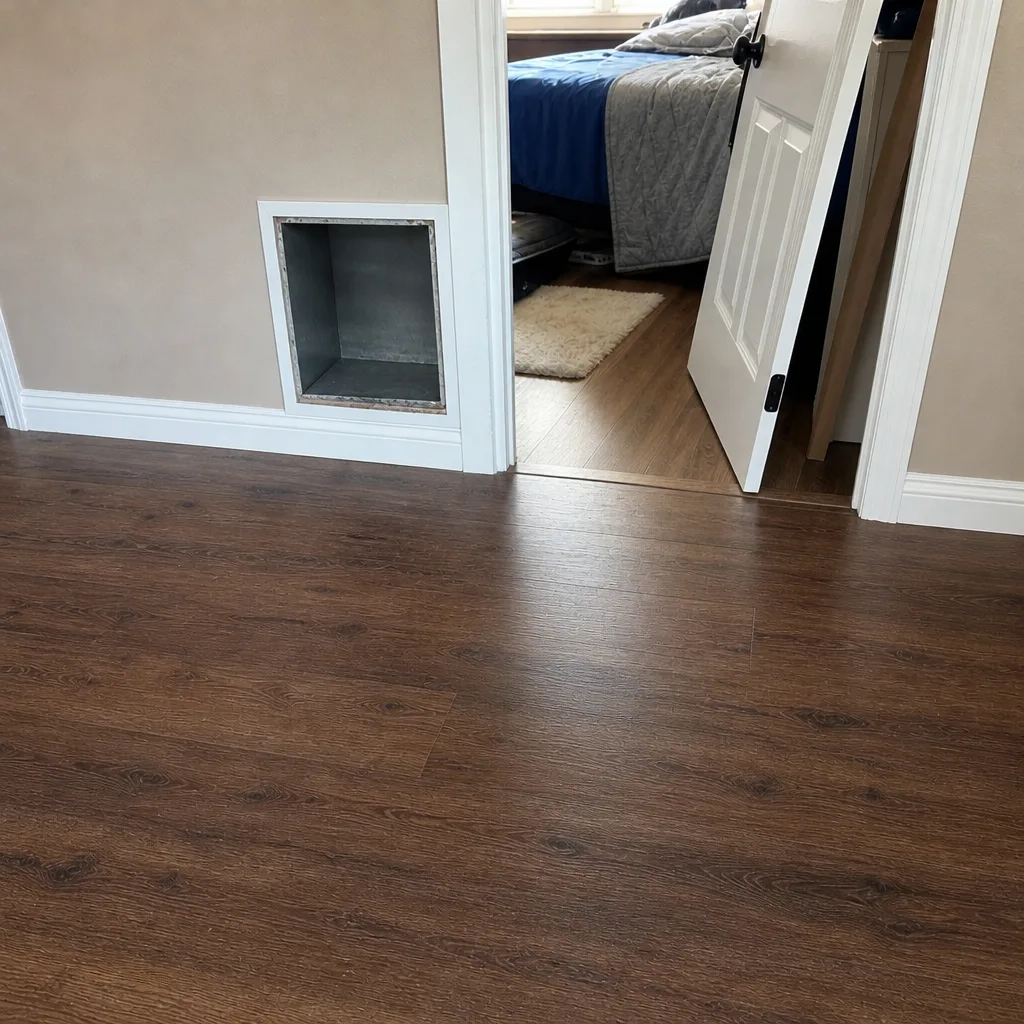 After
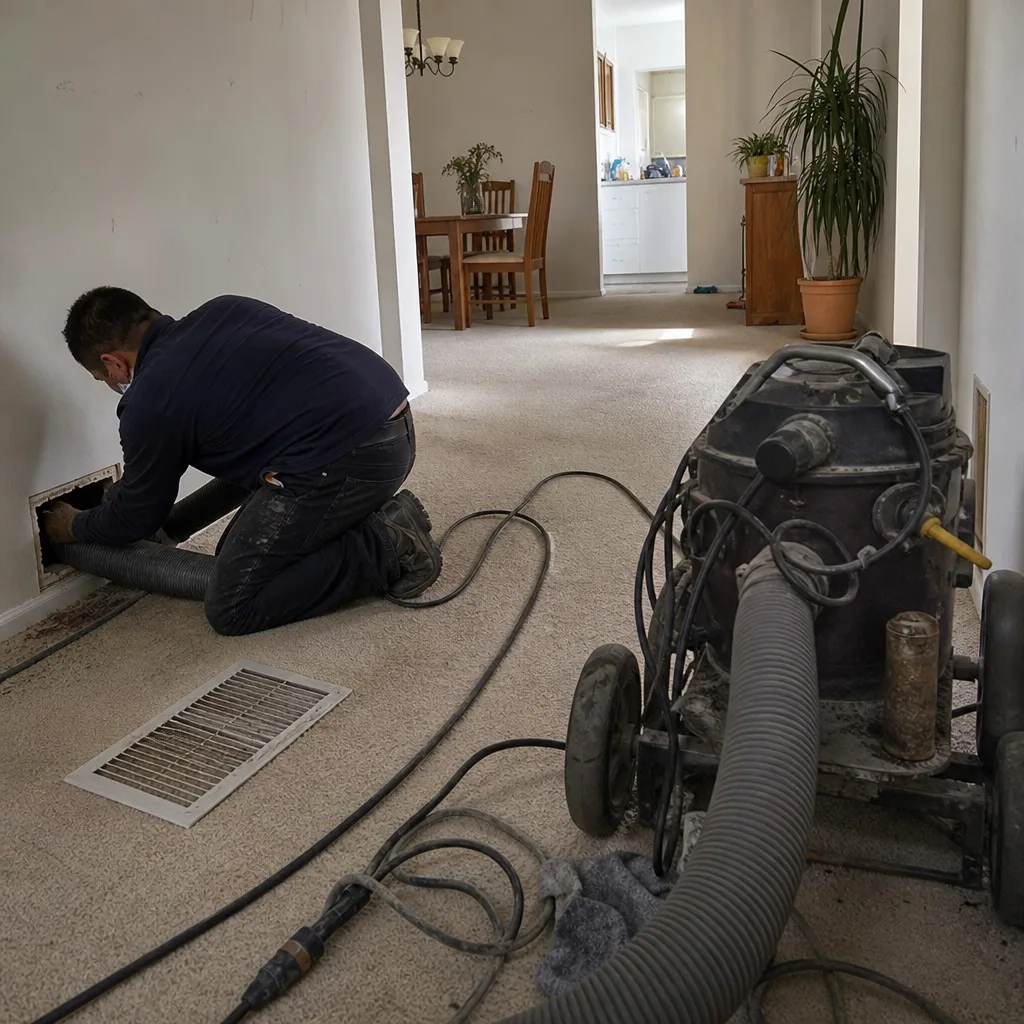 Before
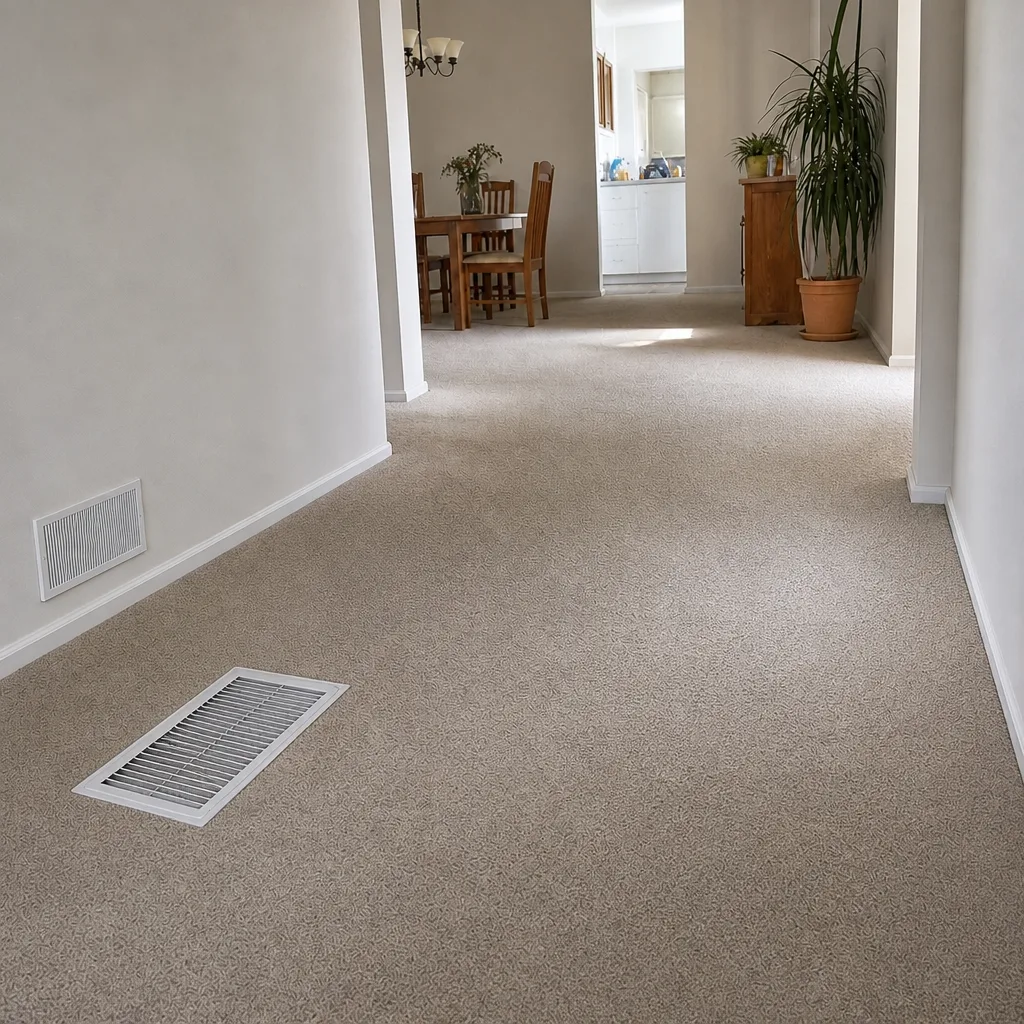 After
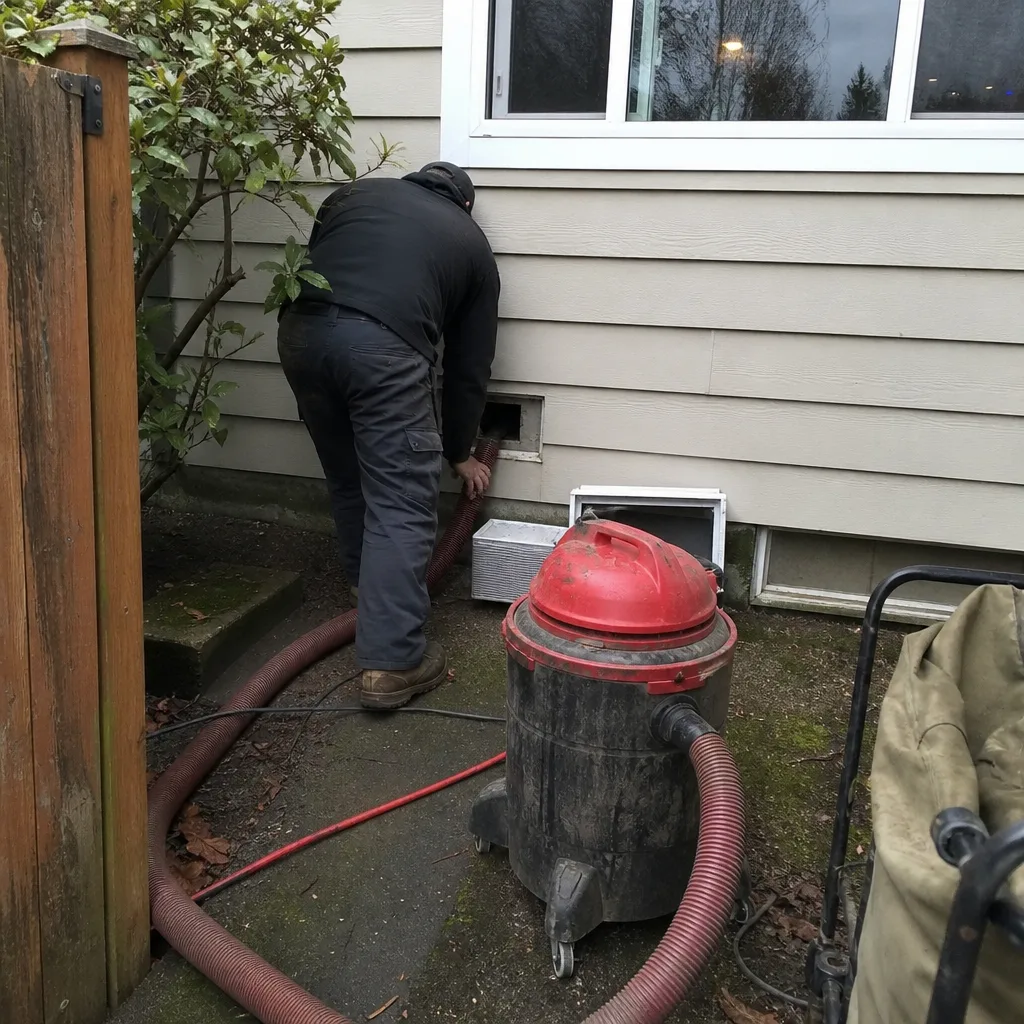 Before
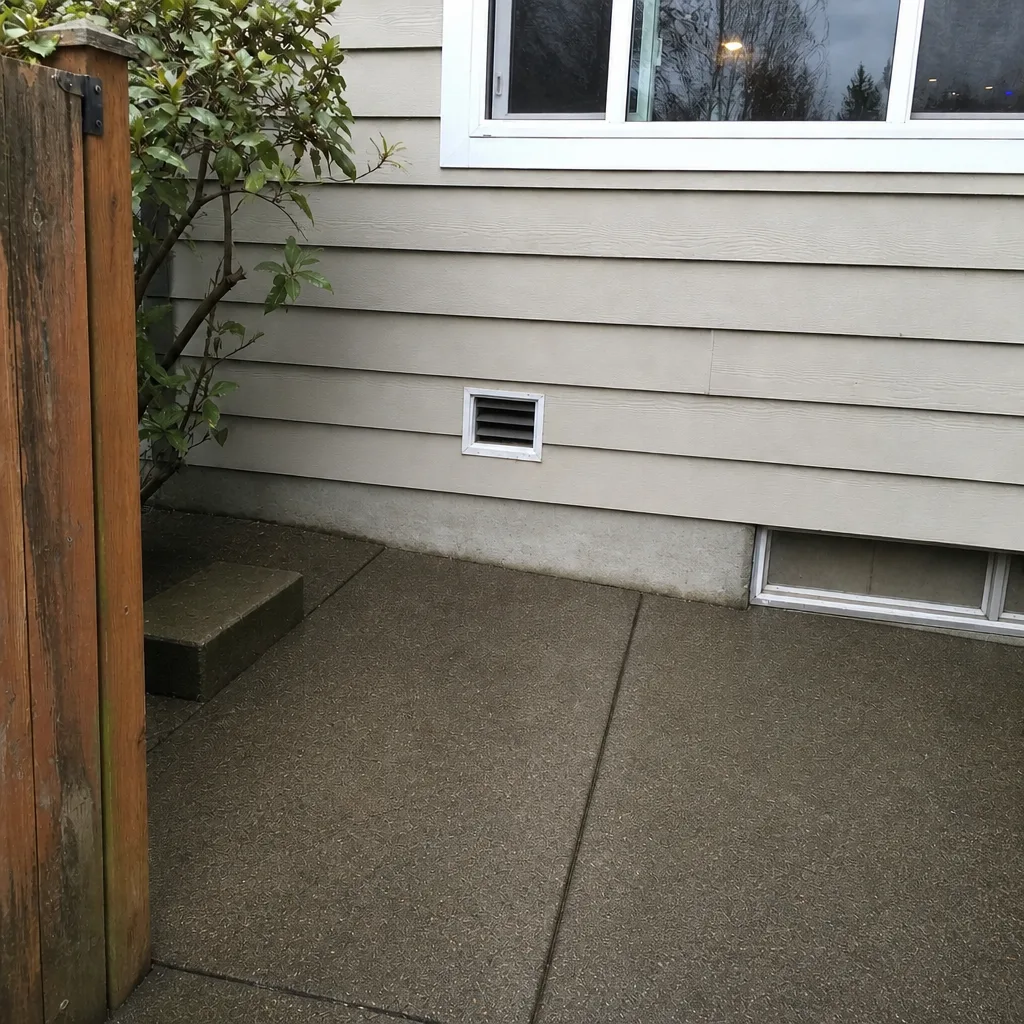 After
When to Call a Professional
Some situations call for professional service outside the normal two-year rhythm. If you’ve had a renovation, a pest problem, or a water intrusion, book cleaning as soon as the work is done. Visible dust plumes at the registers on first furnace startup, persistent musty or smoky odors, or an unexplained rise in allergy symptoms indoors all point to a system that needs attention. So does a dryer that’s taking noticeably longer to finish a load.
If you’re not sure whether you need a cleaning or a sealing job, that’s what the estimate is for. Renton Air Duct Cleaning Co offers free estimates in Renton. Call (855) 337-1999. We answer 24/7. Fast dispatch from 7am to 7pm, Sunday through Friday. The HVAC cleaning side of the service covers the system components that duct cleaning alone doesn’t reach.
Frequently Asked Questions
Every two years is right for most Renton homes, timed to the fall heating startup, with homeowner grille and filter checks in between. Homes with pets, recent renovations, allergy concerns, or smoke infiltration may need annual service. A free estimate will tell you which category your home falls into. Call (855) 337-1999 for an exact quote; estimates are free.
Fall is better. Cleaning in late September or early October removes settled summer dust before the furnace starts circulating it. Spring cleaning is useful, but the pollen season that follows reloads the system quickly. If you clean in spring, follow with a grille check in early March and filter changes every four to six weeks through May. Call (855) 337-1999 to schedule a fall cleaning.
Return-air grilles act as the intake for your whole house, so fine alder and big-leaf maple pollen coats them fast. Vacuuming grille faces in early March helps, and a filter change every four to six weeks during spring keeps the system breathing. If grilles are heavily coated, a professional cleaning is worth scheduling. Call (855) 337-1999 for a free estimate.
Cleaning removes smoke residue that has settled in the ductwork, but sealing the leaks is what prevents smoke from getting in during the next event. Duct repair and sealing before the August-to-September smoke window is the more effective preventive step. We can assess both in one visit. Call (855) 337-1999 for a free estimate.
A professional service shows you before-and-after photos of your own ducts, not stock images. The estimate should state one flat price per system, agreed before work starts, with no per-vent pricing. That’s been our standard from the beginning because bait-and-switch pricing is the biggest complaint in this industry. Call (855) 337-1999 to schedule.
Often, yes. Lint buildup in the dryer vent restricts airflow and makes the dryer work harder. It’s also a fire risk, which is why we treat dryer vent cleaning as a core service rather than an upsell. Book it alongside your fall duct cleaning and save a second visit. Call (855) 337-1999 for a free estimate.
The Bottom Line
Renton’s indoor air quality follows a real seasonal pattern: heating startup dust in October, sealed-home humidity and CO2 concerns in winter, alder pollen in spring, and wildfire smoke in late summer. Timed to those events, a two-year professional cleaning cycle with homeowner checks in between keeps your system cleaner than an arbitrary annual schedule, and it spends less money doing it. The key moves are fall cleaning, spring grille checks, and sealing before smoke season. Renton Air Duct Cleaning Co covers the full air pathway with professional-grade Rotobrush, Nikro, and Abatement Technologies equipment, and we seal what we clean. Call (855) 337-1999 for a free estimate. We answer 24/7. Fast dispatch from 7am to 7pm, Sunday through Friday.
Written by the team at Renton Air Duct Cleaning Co.