
Last updated November 25, 2026
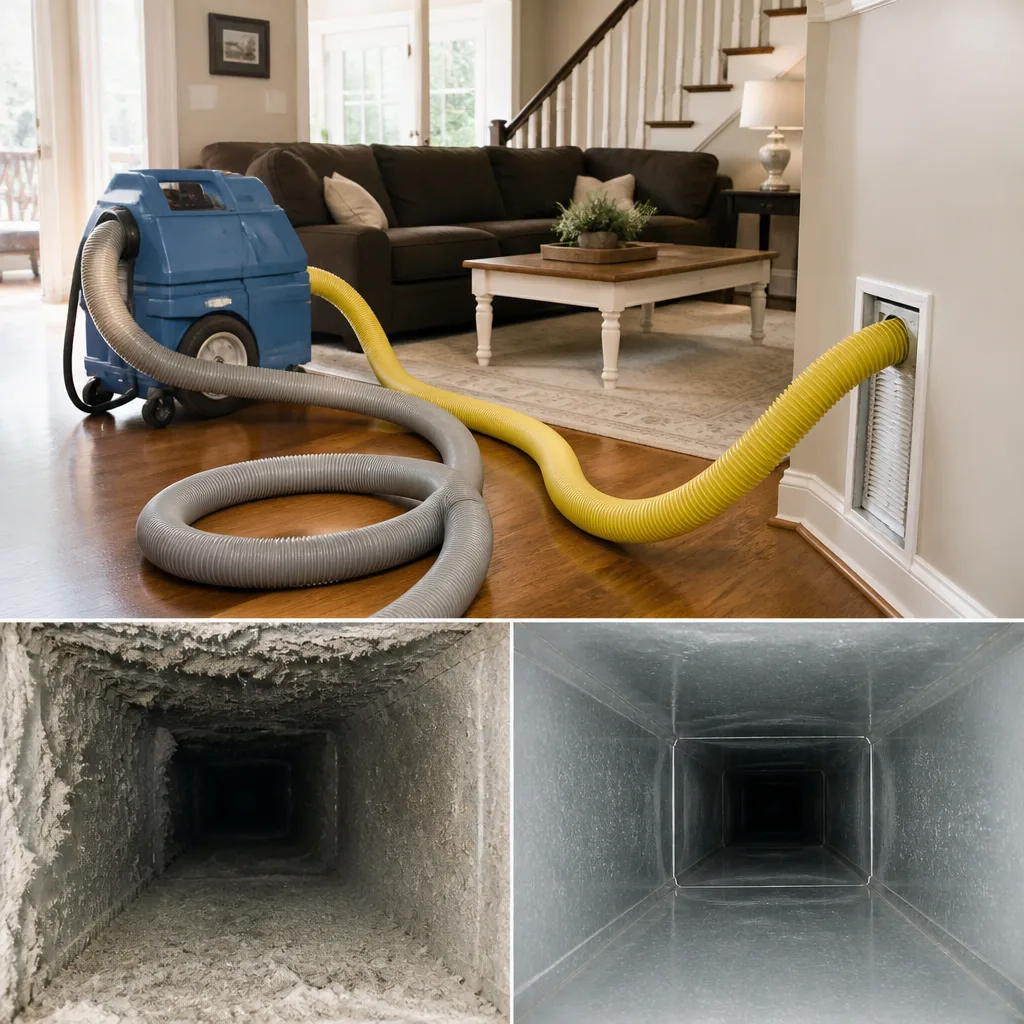 Whole-home duct cleaning
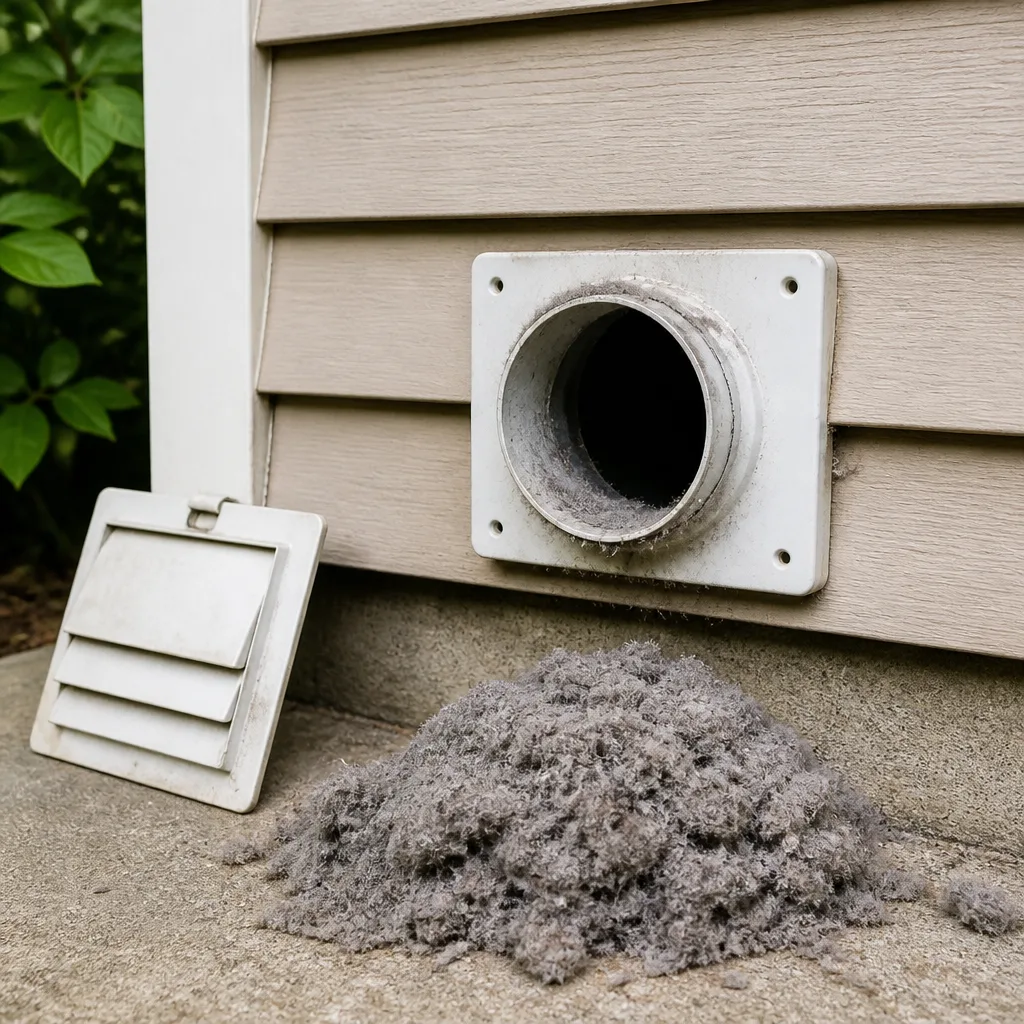 Dryer vent cleaning
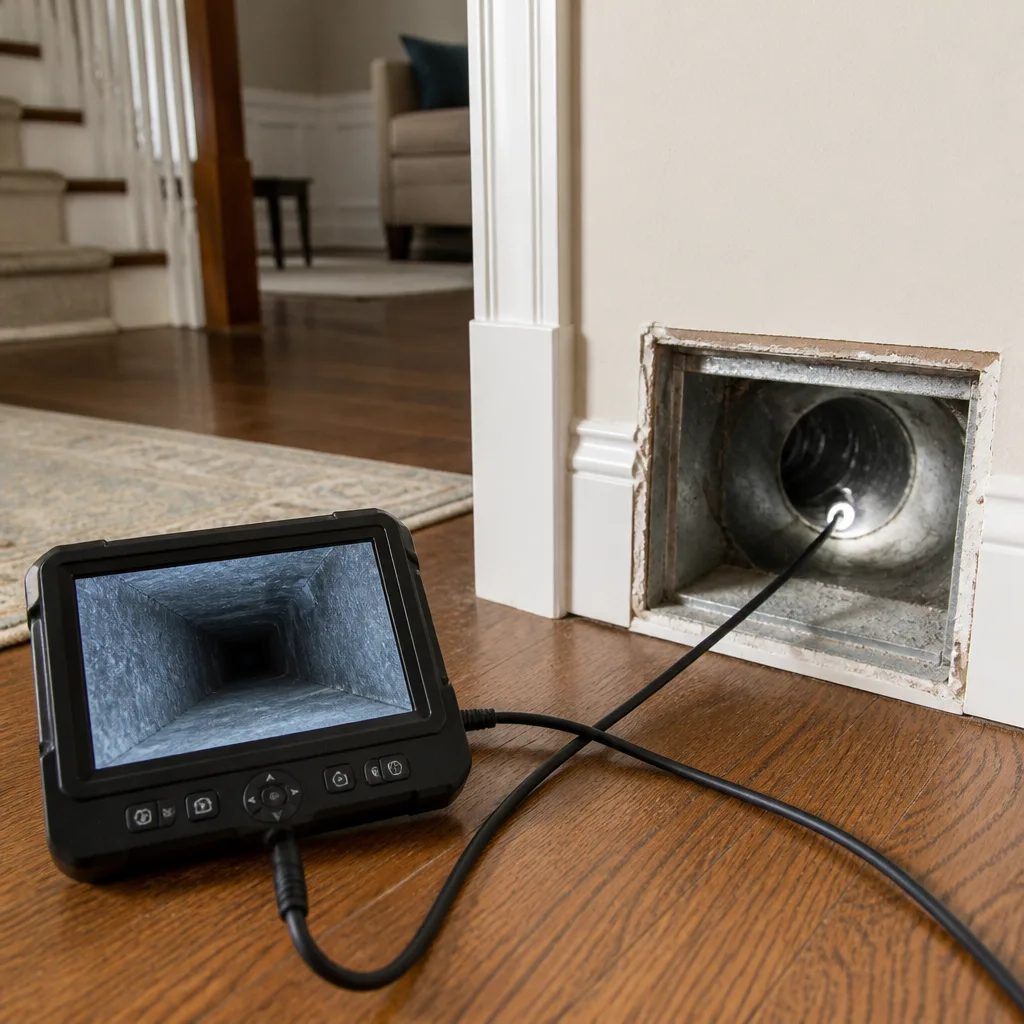 Camera inspection
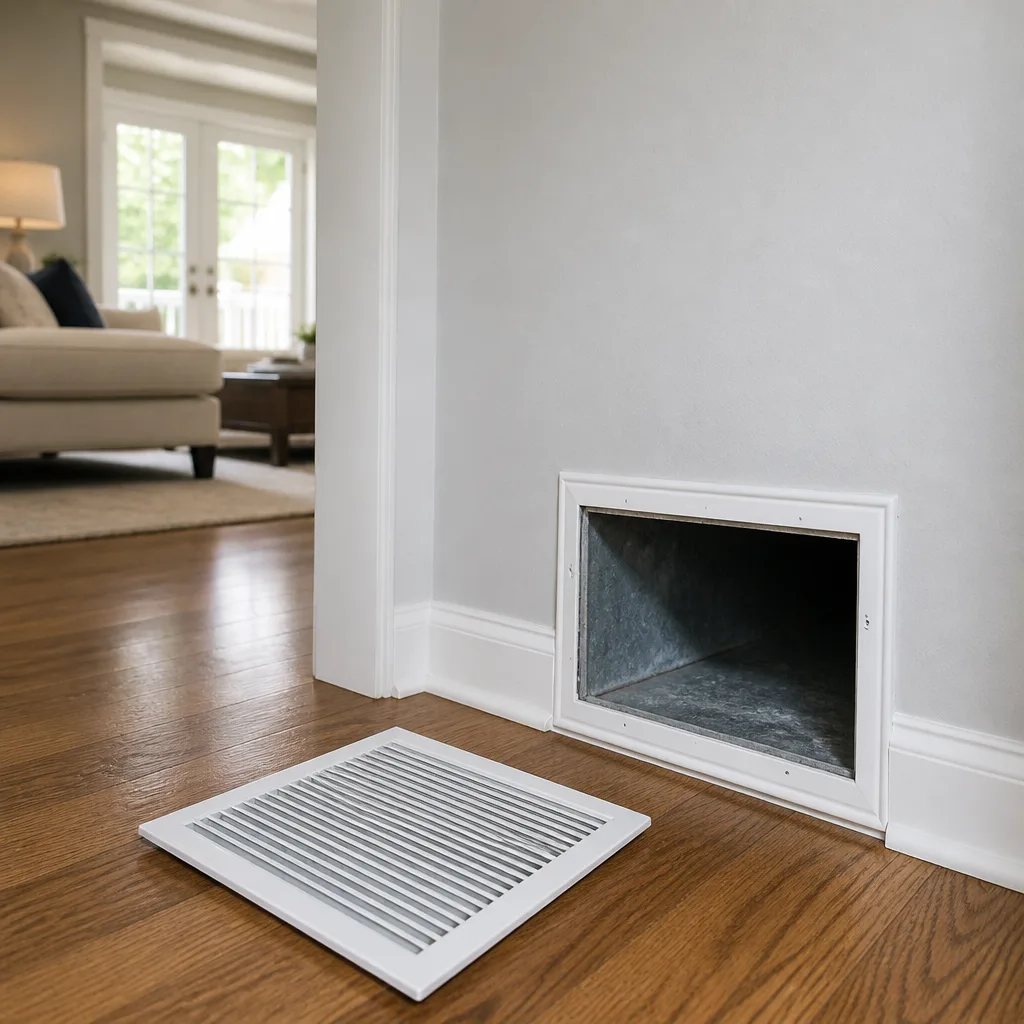 Sanitizing & deodorizing
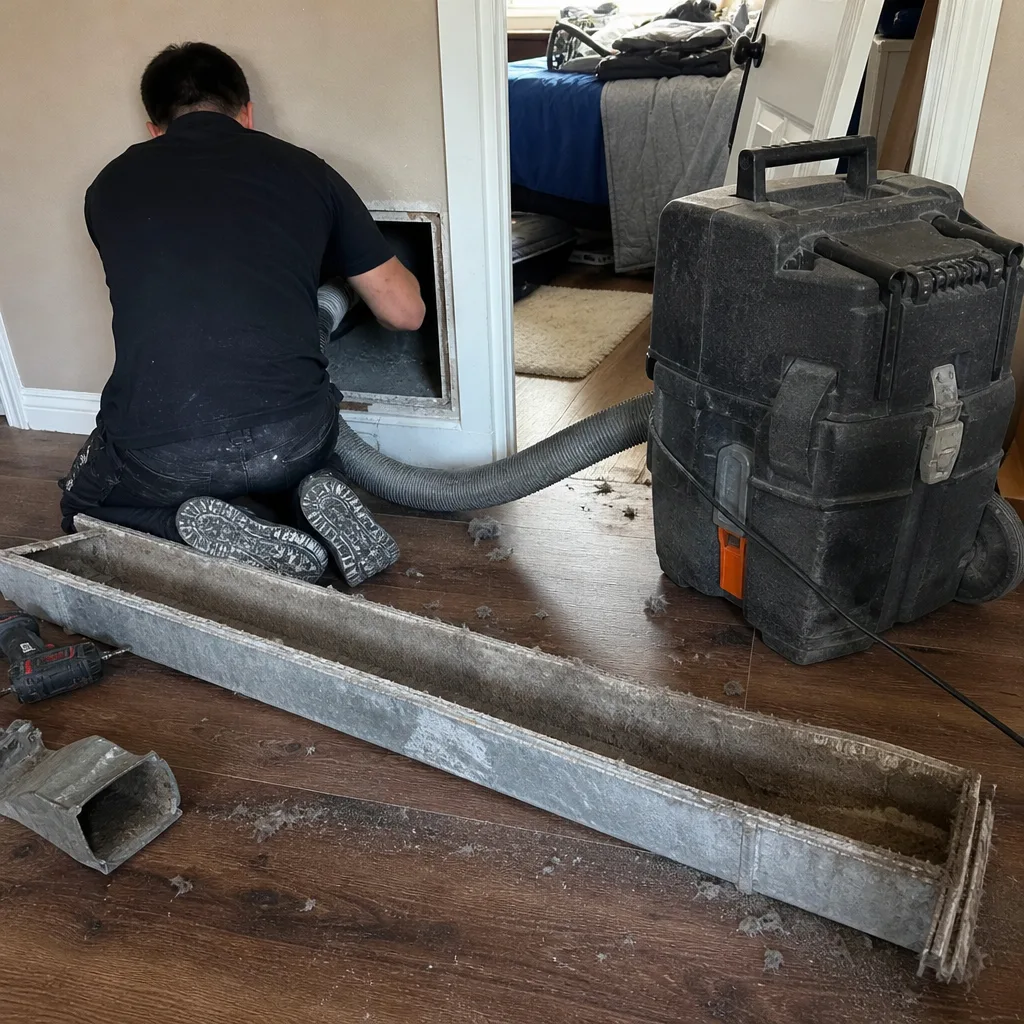
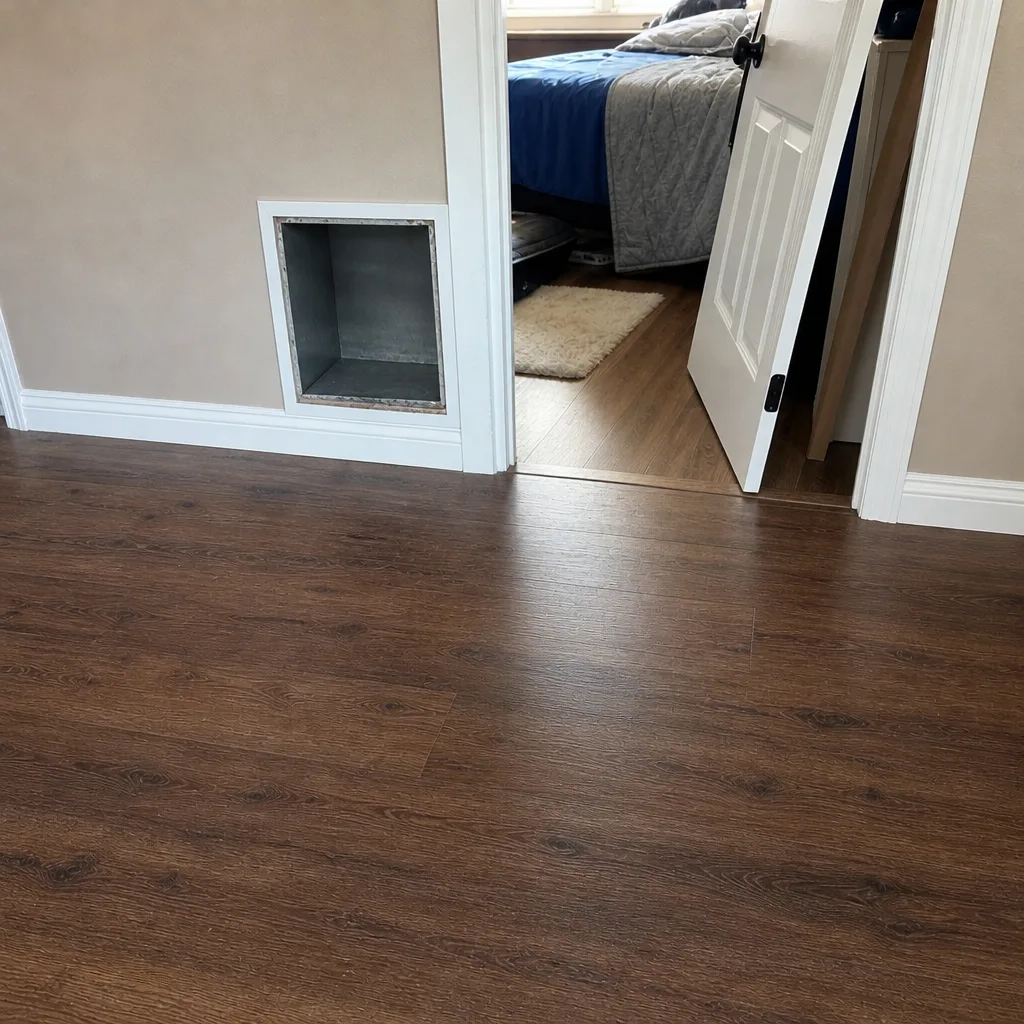
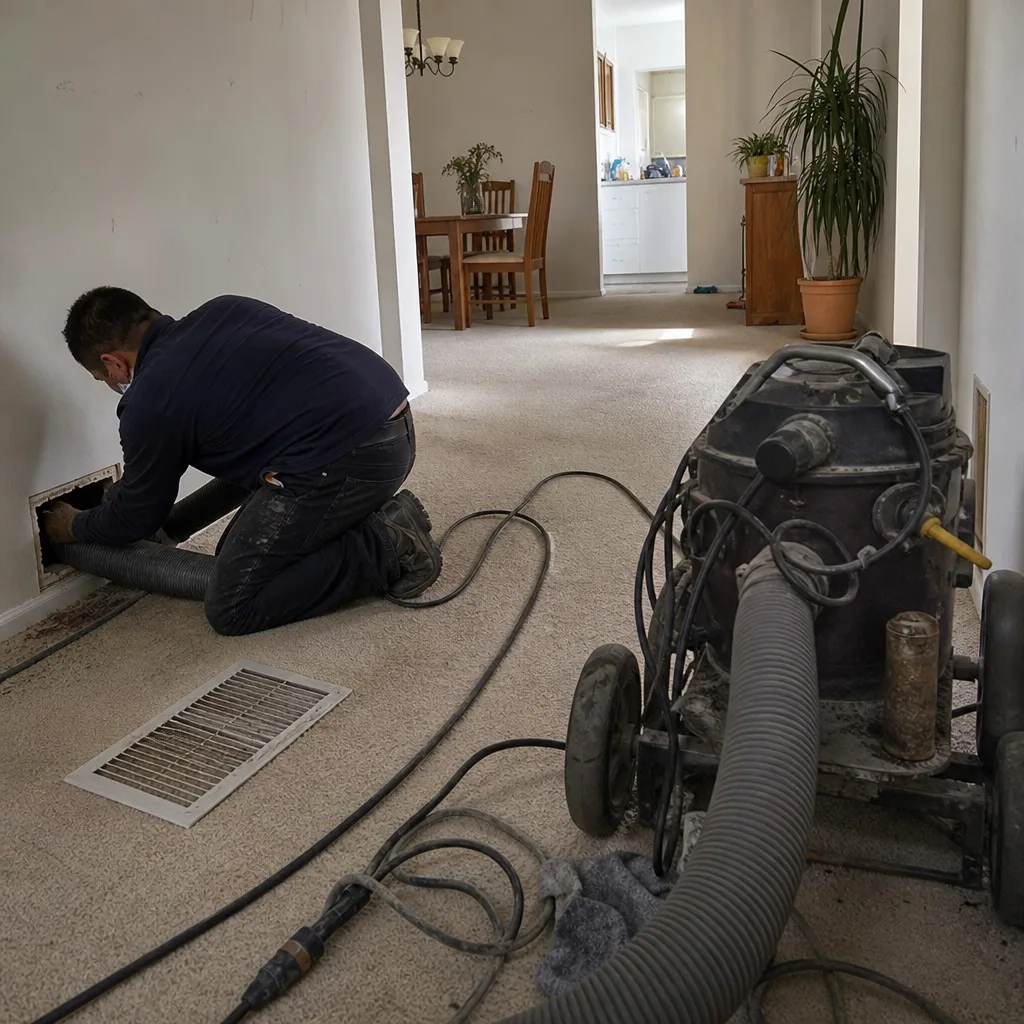
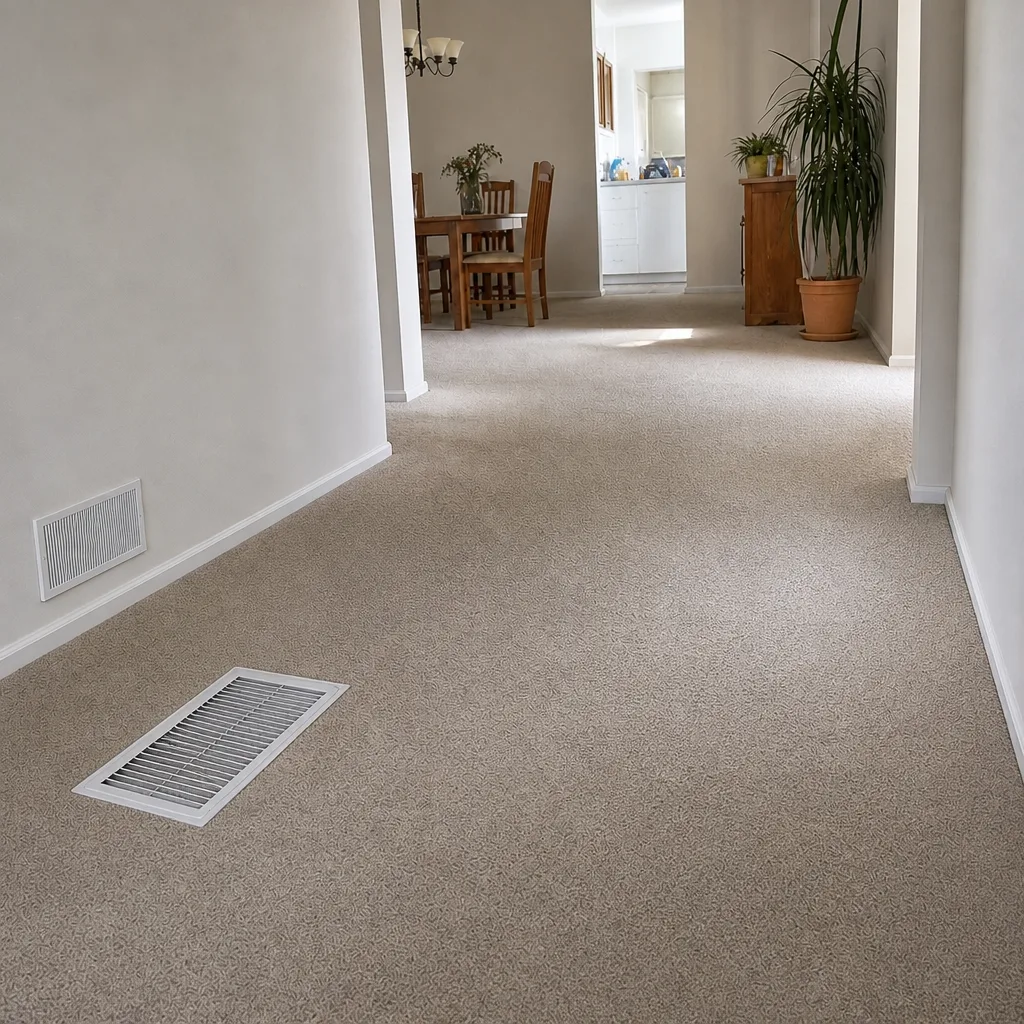
Whole-system duct and dryer vent check with before-and-after photos - you see exactly what came out of your vents
That "$99 whole-house special" is a bait ad - the real number appears once they are in your hallway, or the "clean" is a shop-vac at the register. We photograph the inside of your ducts before and after instead.
Air Duct Cleaning Warning Signs: A Renton Homeowner’s Reference Guide
Dust on your registers is a symptom, not a diagnosis. Black rings around supply vents, a musty smell that only shows up when the heat runs, and uneven room temperatures are three completely different problems that happen to share one surface-level description: “my ducts look dirty.” Treating them as the same thing is how homeowners end up paying for cleaning that never addresses what’s actually wrong. In Renton, where a lot of housing stock sits on crawlspaces and split levels with long duct runs, the gap between what you see at the vent and what’s happening inside the system can be wide. This guide is about closing that gap. We’ll walk through the specific symptoms Renton homeowners notice, what each one usually points to, and which part of your air pathway is the likely culprit.
Quick Answer
You likely need air duct cleaning in Renton if you notice visible dust or dark staining around supply registers, a musty or stale smell when the HVAC runs, uneven temperatures between rooms, allergy symptoms that concentrate in one space, or energy bills that climb without a weather explanation. Each sign points to a different part of the system, so the right response depends on which combination you’re seeing.
Styles & brands we work with
- Whole-home duct cleaning
- Dryer vent cleaning
- Camera inspection
- Sanitizing & deodorizing
Table of Contents
- What Your Registers Are Telling You
- When the Smell Only Shows Up With Heat
- Uneven Temperatures in Split-Level and Daylight-Basement Homes
- Allergy Symptoms: One Room vs. Whole House
- Energy Bills That Climb Without a Reason
- After a Renovation: What Construction Dust Does
- The Dryer Vent Warning Signs Homeowners Miss
- How a Professional Actually Diagnoses the Problem
What Your Registers Are Telling You
The register is the only part of your duct system most homeowners ever see, which is why it carries so much diagnostic weight. But the pattern on that grille matters more than whether it’s “dirty.” Three patterns get confused constantly, and each one points somewhere different.
Black rings around the vent edges
Sharp black staining that outlines the perimeter of a supply or return register usually means filtration bypass. In plain terms, unfiltered air is slipping around the filter or past a poorly sealed connection and being pulled through the grille at high velocity. The staining builds fastest where the pressure difference is greatest. This isn’t a duct-cleaning problem in the ordinary sense. It’s a sealing and pressure problem, and cleaning alone won’t fix it. You need someone who can inspect the filter housing, the return plenum, and the register boot for gaps.
Even gray dust across the grille faces
Uniform gray fuzz sitting lightly across the slats is ordinary accumulation from everyday living. Pets, cooking, candles, and outside air all contribute. A thin, even layer is normal and doesn’t by itself mean your ducts need service. If that layer returns within a couple of weeks of cleaning, though, that changes the story. Reappearing dust that fast suggests the duct interior is loaded and releasing particles into the airstream. Consistent, even buildup usually responds well to standard air duct cleaning.
Fuzzy or speckled growth
Anything that looks fuzzy, velvety, or has a mottled greenish or dark speckled appearance is worth a professional look. That pattern suggests biological growth, and it usually means moisture is present somewhere in the system. Cleaning without finding the moisture source is a temporary fix. In our experience, the cause is often a disconnected duct in a damp crawlspace, a condensate leak near the air handler, or a return that’s drawing crawlspace air. This is where abatement filtration on the job matters: dislodged material has to be captured, not blown back into the living space.
When the Smell Only Shows Up With Heat
Here’s a distinction that gets flattened in almost every article on this topic. If your house smells musty only when the furnace kicks on, the problem is usually not the ducts. It’s the evaporator coil.
In a forced-air system, the coil sits in the plenum downstream of the filter. Dust that makes it past the filter sticks to the damp coil surface, and over time that film supports biological growth. When the blower runs, air passes over the coil and picks up that smell before it reaches a single duct. That’s why the odor arrives with airflow rather than with the ducts themselves. Cleaning the ductwork without addressing the coil leaves the smell exactly where it was.
A “dusty” or “hot” smell, by contrast, often comes from the heat exchanger or from dust baking off the burners at the start of the heating season. That smell usually fades after a few minutes of operation. If it doesn’t fade, or if it smells sharp or metallic, stop running the system and have it checked. Gas-fired equipment is not a do-it-yourself diagnosis, and a technician should inspect it.
- Musty, earthy, present only during airflow: likely evaporator coil contamination. This calls for HVAC cleaning alongside duct work.
- Dusty or scorched smell that fades after a few minutes: normal seasonal burn-off, unless it persists.
- Sharp, acrid, or metallic smell: stop the system and call a technician for the gas or electrical side.
- Smell present whether the system runs or not: usually a moisture or drainage issue outside the ducts entirely.
The key takeaway: smell timing tells you location. Odor that arrives with airflow points toward the equipment. Odor that stays put points toward standing moisture somewhere.
Uneven Temperatures in Split-Level and Daylight-Basement Homes
Renton has a lot of split-level and daylight-basement construction, and both layouts put long, sometimes poorly supported duct runs through unconditioned crawlspaces. That configuration is where uneven room temperatures become diagnostic.
When one room runs several degrees off from the rest of the house, the duct serving that room is often the problem. Debris loading, a collapsed section, a disconnected joint, or a crushed run in the crawlspace will choke off airflow. The furnace works just as hard, but the air never arrives at its destination. Closing the supply register to “balance” the system usually makes this worse, because it raises pressure in the rest of the trunk line.
A room that runs hot in summer and cold in winter, while the rest of the house is fine, is a strong signal of a disconnected or crushed duct in that branch. This is where our duct repair and sealing capability matters most. We seal what we clean, because a disconnected joint that gets cleaned and left open just leaks again the moment the blower starts.
Recognizing this pattern early is worthwhile. A simple crawlspace inspection by a specialist can confirm whether the branch is intact. In our experience, crawlspace runs in older Renton homes take the most punishment, and those same homes are the ones where a small repair makes an outsized difference in comfort on a cold morning.
Allergy Symptoms: One Room vs. Whole House
Where allergy symptoms cluster tells you where to look. A whole-house pattern and a single-room pattern point to different parts of the system, and knowing the difference saves renters and owners from guessing.
A single-room concentration usually points to a localized source. The most common culprits are a return duct drawing from a damp crawlspace near that room, a disconnected branch leaking into the wall cavity, or a register that’s been fed by a compromised run for a while. If the occupied room is a bedroom and the reaction is strongest overnight, that supports a localized duct issue.
Whole-house symptoms that flare across the family, including the family room, kitchen, and bedrooms, usually point to a system-wide issue. That could be a loaded return plenum, a blower that’s pulling from an unfiltered source, or biological growth on the evaporator coil. Whole-house symptoms also occasionally trace to something the family recently introduced, such as new carpeting or a piece of furniture. When the timing corresponds to a change inside the home rather than to maintenance, ventilation often helps before cleaning does.
Either way, the honest first question is: has anything in the home changed? New pets, new construction, new furniture? If the timing fits, note that before you schedule service. If the timing doesn’t fit and the pattern is steady, an inspection will tell you what part of the system is the likely source. We deploy Abatement Technologies air-filtration equipment on every job specifically because dislodged contaminants have to be captured – recirculating them through the home during a cleaning is the opposite of what an allergy-sensitive household wants.
Energy Bills That Climb Without a Reason
An energy bill that creeps up while the weather is steady is a signal worth taking seriously. Heating and cooling costs track with airflow, and a duct system that’s choked with debris makes your equipment work harder for the same output.
The mechanism is straightforward. The blower moves a fixed volume of air under a fixed static pressure. When the interior of the ducts loads up with debris, or a return is restricted, the blower has to work harder to deliver the same conditioning. The system runs longer per cycle, and the dollar difference accumulates quietly across the billing months. A spike that coincides with a cold snap is weather. A spike that doesn’t have a weather explanation is worth investigating.
Three things are worth checking before you blame the ducts:
- Filter condition. A filter that’s loaded with dust forces the blower to strain. Replace it, wait a billing cycle, and see whether the trend changes.
- Seasons. Puget Sound winters swing enough that a jump in December or January is often just degree-days.
- Duct condition. A disconnected joint or crushed run in a crawlspace wastes conditioned air into the space around it. That’s the condition cleaning and sealing will address.
If a filter change and a billing cycle don’t change anything, the next step is inspecting the duct interiors and the crawlspace runs. Cleaning a loaded system and sealing the leaks the cleaning exposes can restore airflow closer to what the equipment was designed to see. That’s a different outcome than the cleaning-only pitch you’ll see from generalist providers.
After a Renovation: What Construction Dust Does
Renovation dust is its own category. It’s mineral and abrasive rather than the organic matter you find in a lived-in home, and it travels further into the system because finer particles stay airborne longer. Fine drywall and sanding dust is the classic offender, but sawdust, insulation fibers, and adhesive off-gassing all join the party.
The mistake we see most often is a homeowner who cleans the ducts the day after the drywall goes up. That’s too early. The final construction sweep and the final dust, including caulking and paint overspray particles, are still ahead. The right timing is after all trades have finished and the home has been swept, ideally after a couple of days of ordinary living.
During the renovation itself, three habits make a measurable difference:
- Cover the open registers. Tape over supply and return grilles during dusty work, and remove the covers before running the system. Ask your contractor to leave filter access clear.
- Change the HVAC filter more often than the maintenance schedule calls for. A filter that’s loaded with drywall dust can’t protect the blower or the coil, and a loaded filter can starve the coil of airflow.
- Keep negative pressure on the work zone. If the crew is using a HEPA scrubber in the work area, the dust doesn’t get drawn into the return.
Renovations also expose duct problems. New walls, moved returns, or a remodeled kitchen can leave a supply register dead or a return undersized. Duct repair and sealing should be part of the post-renovation conversation, not an afterthought. A register that suddenly blows weak after a remodel is worth a look before more cleaning.
The Dryer Vent Warning Signs Homeowners Miss
Dryer vent cleaning belongs in any honest duct-cleaning conversation, and in Renton it belongs near the top. Lint accumulation in the dryer vent is a documented fire risk, and it’s also a sign the appliance is working harder than it should be.
Five warning signs show up consistently:
- Clothes take longer than one cycle to dry.
- The dryer surface or the door feels hot to the touch.
- Lint collects on the dryer’s filter faster than usual, or the exterior vent flap has stopped opening fully during a cycle.
- A musty or burning smell inside the laundry area.
- The flexible transition hose behind the dryer is kinked or crushed, or the run has multiple hard elbows.
dryer vent cleaning is a core service for a reason. Any of those signs is worth a professional look, and long-run installations or vents that terminate on a roof deserve a check even when the dryer seems fine. Lint in the vent is fire safety and air quality handled together, and it’s the kind of thing that gets deferred and then deferred again. It shouldn’t be. Cleaning the dryer vent alongside the ducts in one visit is a straightforward way to close the loop on household safety.
How a Professional Actually Diagnoses the Problem
The difference between a cleaning crew and a specialist shows up in the diagnosis, not the cleaning. Here’s the process we use on a Renton home, and it’s a useful checklist for anyone evaluating a provider.
- Walk the system, not just the vents. Count supply and return registers, locate the air handler, and identify where runs go (attic, crawlspace, wall chases, or floor joists). The number of separate runs is a large factor in the price, which is why whole-system pricing beats per-vent pricing every time.
- Inspect the air handler and coil. If the coil is contaminated, that’s a separate service from duct cleaning. A provider that quotes duct cleaning without looking at the coil is quoting half the job.
- Check the crawlspace and attic runs. Disconnected, crushed, or unsupported runs are common in older Renton housing, and they’re the cause of the uneven-temperature problem more often than duct debris.
- Pull the register covers and inspect the boot. Black staining (filtration bypass) is caught here, not from the grille alone.
- Set up source capture and filtration. We use professional-grade systems, including Rotobrush and Nikro equipment, plus Abatement Technologies air-filtration units, so dislodged material is captured at the source rather than recirculated through the house.
- Clean, then seal. Duct repair and sealing on the joints the cleaning exposes – that’s where the airflow improvement lives.
- Document with before-and-after photos. You should see what was inside your ducts before and after. That’s your proof the work was actually done.
One flat price per system, agreed before work starts, is the structure that avoids the bait-and-switch pattern this industry is known for. Per-vent pricing encourages upcharges at the truck. Whole-system pricing puts the number on paper first. For a home in Renton with a standard supply-and-return layout, the estimate should cover the full air pathway in a single visit: duct cleaning, HVAC cleaning, and dryer vent. If the tech finds a disconnected joint or a coil that needs attention, that’s a separate line item, not a surprise on the invoice.
For households with air-quality concerns beyond the cleaning itself, Honeywell and Aprilaire IAQ products address filtration and humidity at the source. We carry and install those because the cleaning removes what’s there and the equipment protects against what comes next. That’s the difference between a specialist and a once-a-year call.
Common Mistakes to Avoid
- Confusing a dusty vent with a dirty duct. A thin, even layer of gray dust on the grille is normal. Black ring staining, fuzzy growth, and a fast return of dust after cleaning are the patterns worth attention. Treating all three as one problem wastes money on the wrong service.
- Cleaning the ducts and skipping the coil. If the musty smell only appears when the HVAC runs, the coil is the likely source. Cleaning the ducts won’t touch it.
- Believing a per-vent quote. Per-vent pricing rewards adding vents to the invoice. A whole-system price agreed in writing before any work starts is the structure to look for.
- Cleaning immediately after a renovation. Wait for all the trades to finish and the final dust to settle. Cleaning mid-renovation shows no benefit and needs to be repeated.
- Ignoring the dryer vent. Lint in the vent is a fire risk, and a dryer that takes two cycles to dry a load is a warning. This is a routine service, not an upsell.
- Assuming the crawlspace is intact. In older Renton homes, disconnected or crushed runs in the crawlspace are the most common cause of a room that never heats or cools evenly. Duct cleaning alone won’t find them.
- Chasing the lowest price. The lowest quote is usually per-vent and ballooning at the door. Ask for a written whole-system estimate and before-and-after photos of your own ducts. That’s how you compare bids on equal terms.
See the difference
 Before
 After
 Before
 After
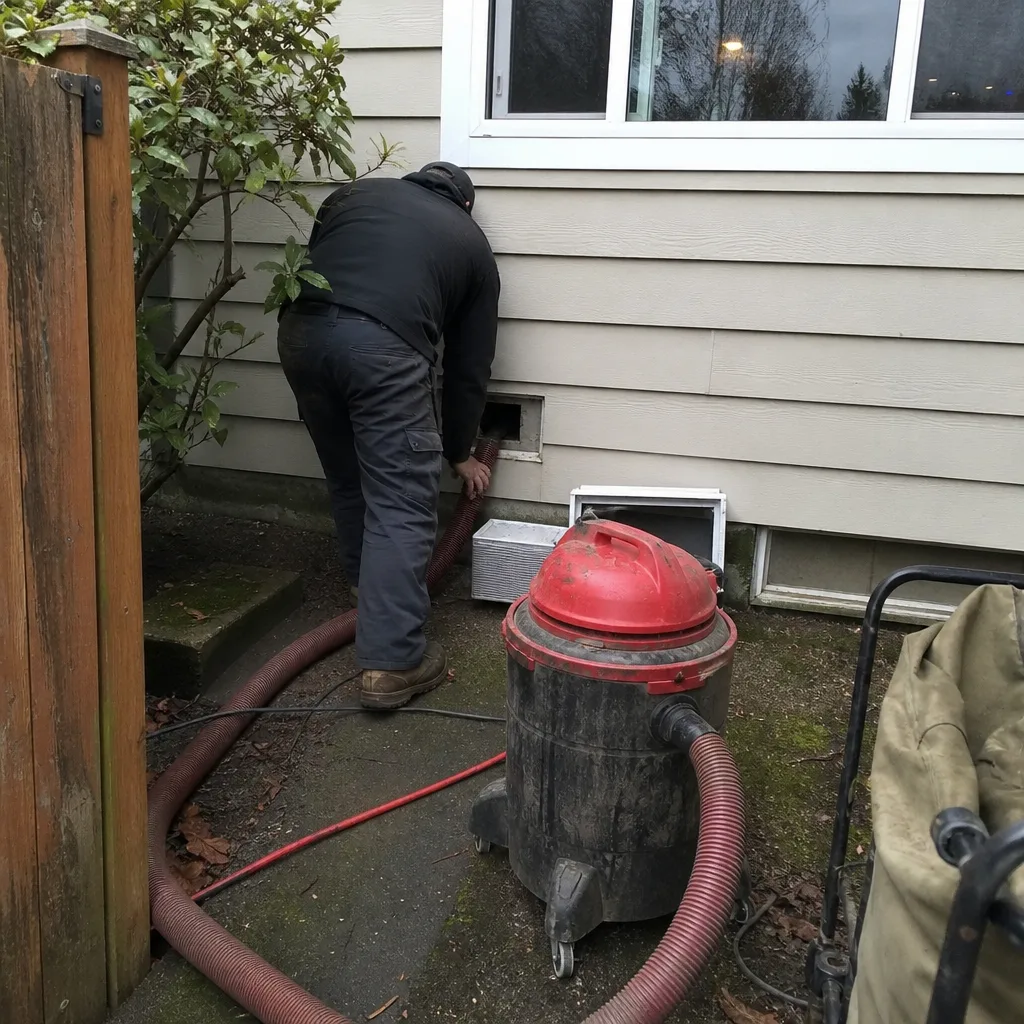 Before
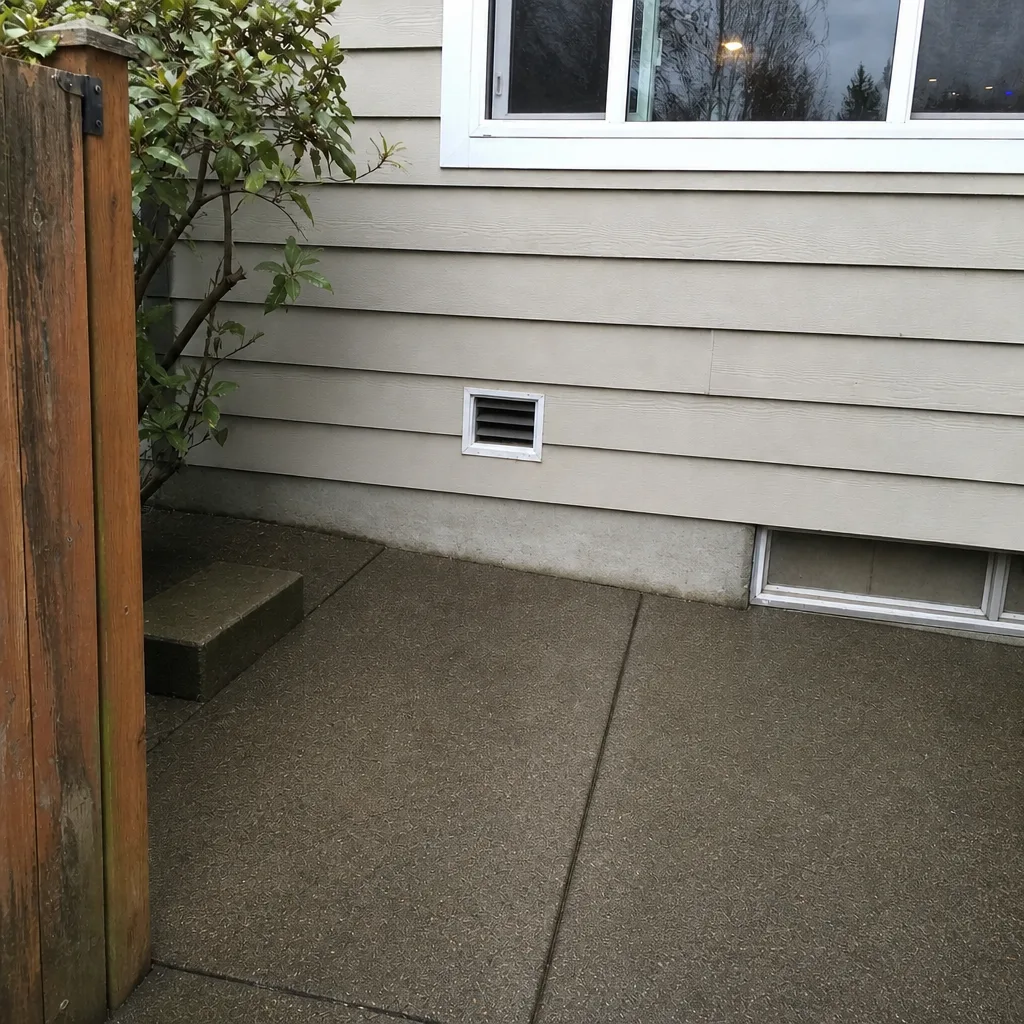 After
When to Call a Professional
Call a professional if you’re seeing two or more of the warning signs in this guide at the same time, if a room has never heated right, if the musty smell arrives with airflow, or if the dryer is taking more than one cycle. Call before you replace the HVAC system, not after: restricted ducts and sealed leaks affect equipment life. Don’t open the air handler or the gas side yourself. The evaporator coil, the heat exchanger, and the electrical connections are technician territory.
We answer 24/7. Fast dispatch from 7am to 7pm, Sunday through Friday. Call (855) 337-1999 for a free estimate. Our technicians have up to 15 years of experience, and the local pro is licensed and insured as their state requires.
Frequently Asked Questions
The most reliable combination is dark ring staining around supply registers, a musty odor that only shows up when the HVAC runs, and a room that’s measurably warmer or cooler than the rest of the house. A single sign on its own often means normal accumulation. Two or more of them together, especially after a renovation or in an older home with a crawlspace, points to a system issue that’s worth a free inspection. Call (855) 337-1999 to book one. We answer 24/7.
There’s no universal schedule. Most homes don’t need it on a fixed interval. The honest answer is that the interval depends on household conditions: pets, recent renovation, smoking, and duct condition. A clean home with good filtration can go many years between cleanings. A home with an active source of moisture, a loaded return, or a damp crawlspace may need inspection sooner. If you’re calling because of multiple symptoms, that’s more telling than a calendar date. Call (855) 337-1999 for an exact quote – estimates are free.
The cheap quotes are almost always per-vent pricing with a low teaser rate attached, then climbing as extra vents get added at the door. They also often skip the coil inspection, the crawlspace check, and proper source-capture filtration. Our structure is one flat price per system, agreed in writing before any work starts. The written estimate sets the final price. Call (855) 337-1999 and we’ll walk you through what a whole-system quote looks like for your home.
Ask for before-and-after photos of your own ducts. Ours are taken on every job, and you see both the interior of the trunk before cleaning and the same interior after. That’s the accountability piece that a low per-vent quote usually leaves out. Call (855) 337-1999 to schedule a photo-documented cleaning.
Cleaning helps when the ducts are a genuine source of the exposure, such as biological growth near the air handler or a return from a damp crawlspace. It won’t help if the source is seasonal pollen coming through an open window or a coil that hasn’t been cleaned. A professional inspection tells you which one you’re facing. For households in that situation, we deploy Abatement Technologies air-filtration equipment on every job so dislodged material is captured rather than recirculated. Call (855) 337-1999 for a free estimate.
For us it’s a core service, and it’s often the most safety-relevant part of the visit. A dryer that takes two cycles to dry a load, or a dryer whose exterior flap has stopped opening, is a warning sign that deserves a professional look. Lint accumulation in the vent is a fire risk. Call (855) 337-1999 to book dryer vent cleaning alongside the duct work.
The Bottom Line
Dust on your registers tells you there’s a symptom. Working out what that symptom points to is the actual job. Black ring staining means filtration bypass and sealing. Even, uniform dust is normal unless it returns fast. Fuzzy growth means moisture and a source to find. Musty smell only with heat means the coil, not the ducts. Uneven room temperatures in a split-level or daylight-basement home mean crawlspace runs. One-room allergy symptoms mean a localized return. Whole-house symptoms mean a system-wide source. A climbing energy bill without a weather explanation means restricted airflow, and it’s worth checking before you blame the furnace. Once you know which combination you’re facing, the right service becomes obvious. For Renton Air Duct Cleaning Co, the full air pathway in a single visit is the starting point, and the diagnosis is what comes before the cleaning.
Written by the team at Renton Air Duct Cleaning Co.