
Last updated November 25, 2026
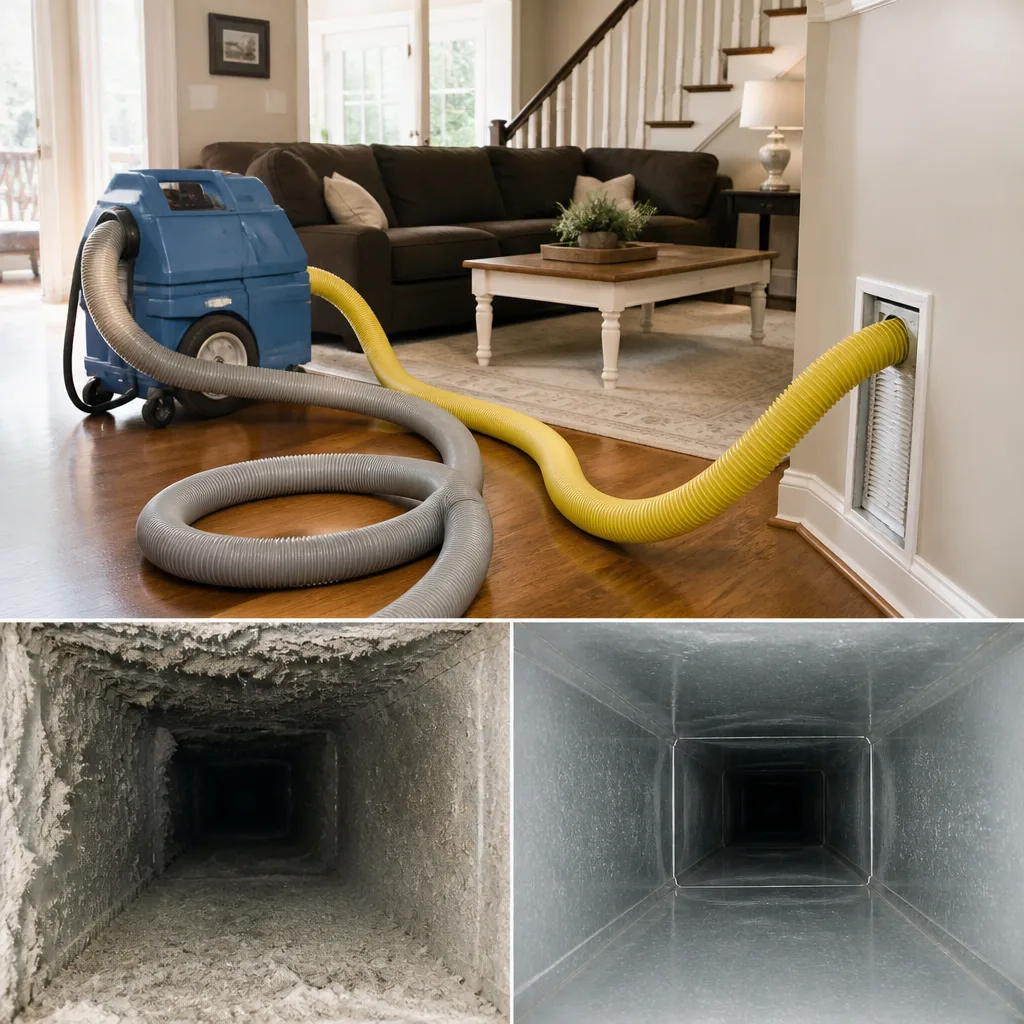 Whole-home duct cleaning
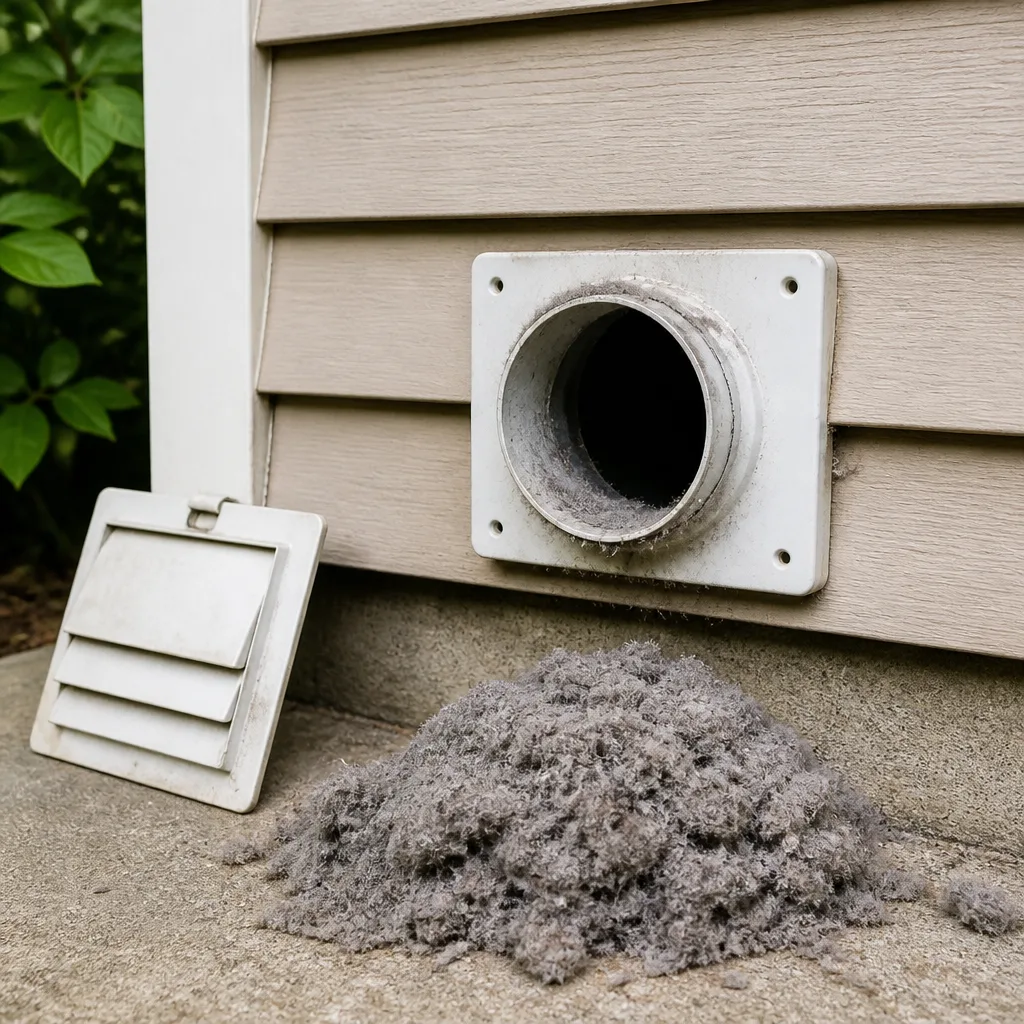 Dryer vent cleaning
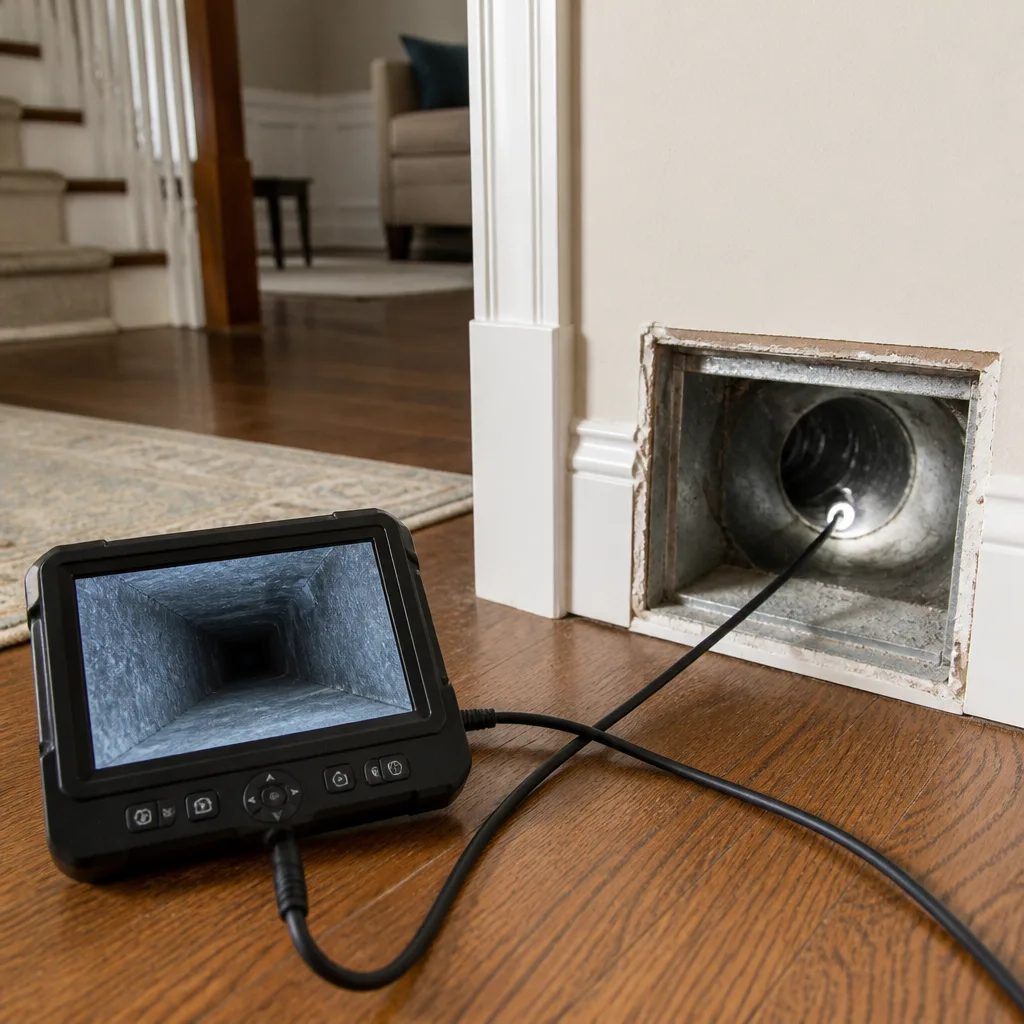 Camera inspection
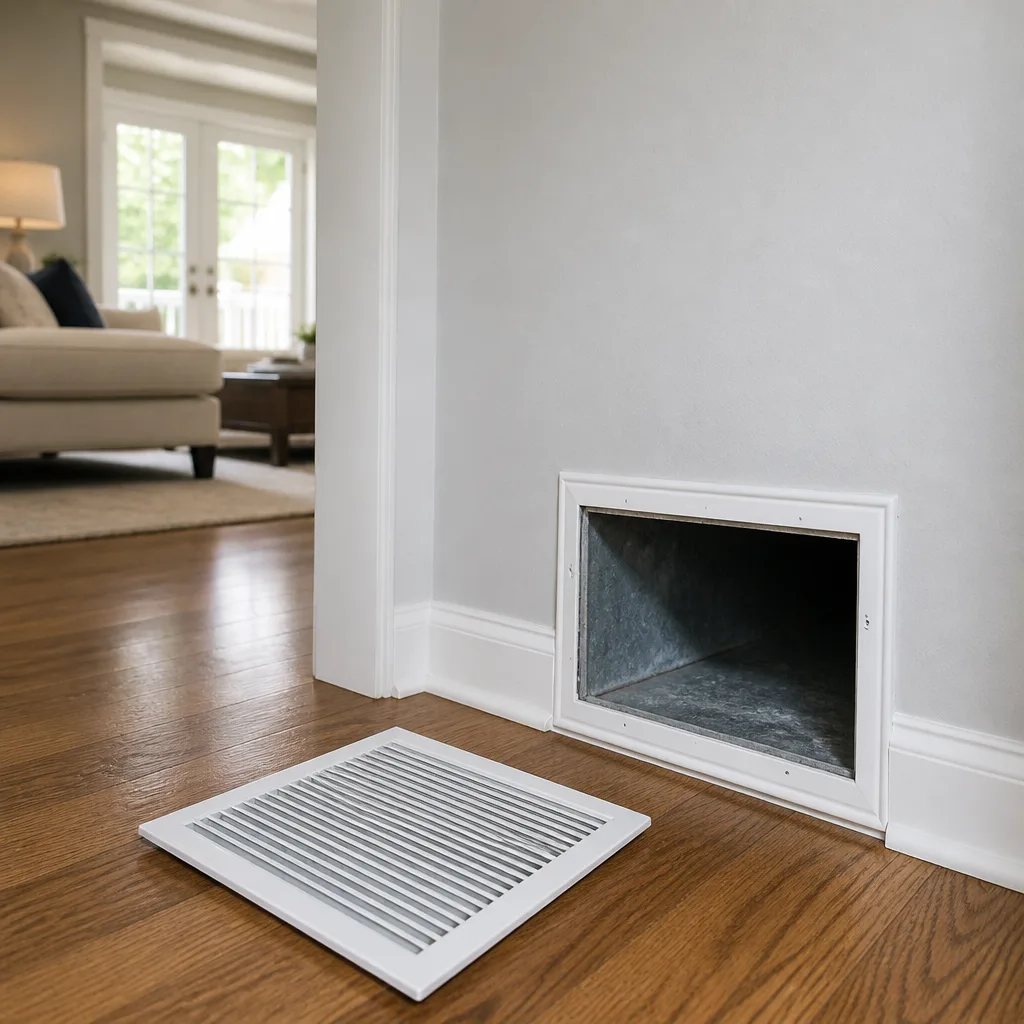 Sanitizing & deodorizing
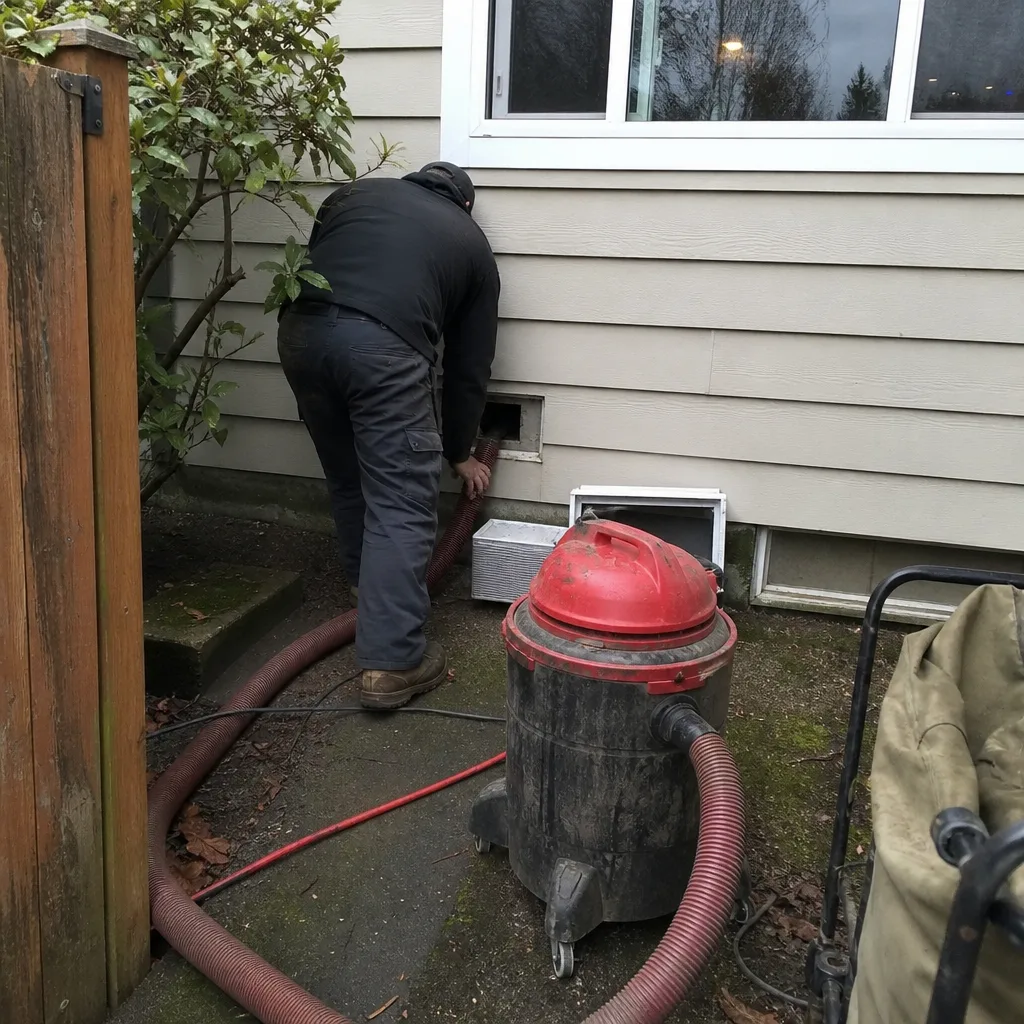
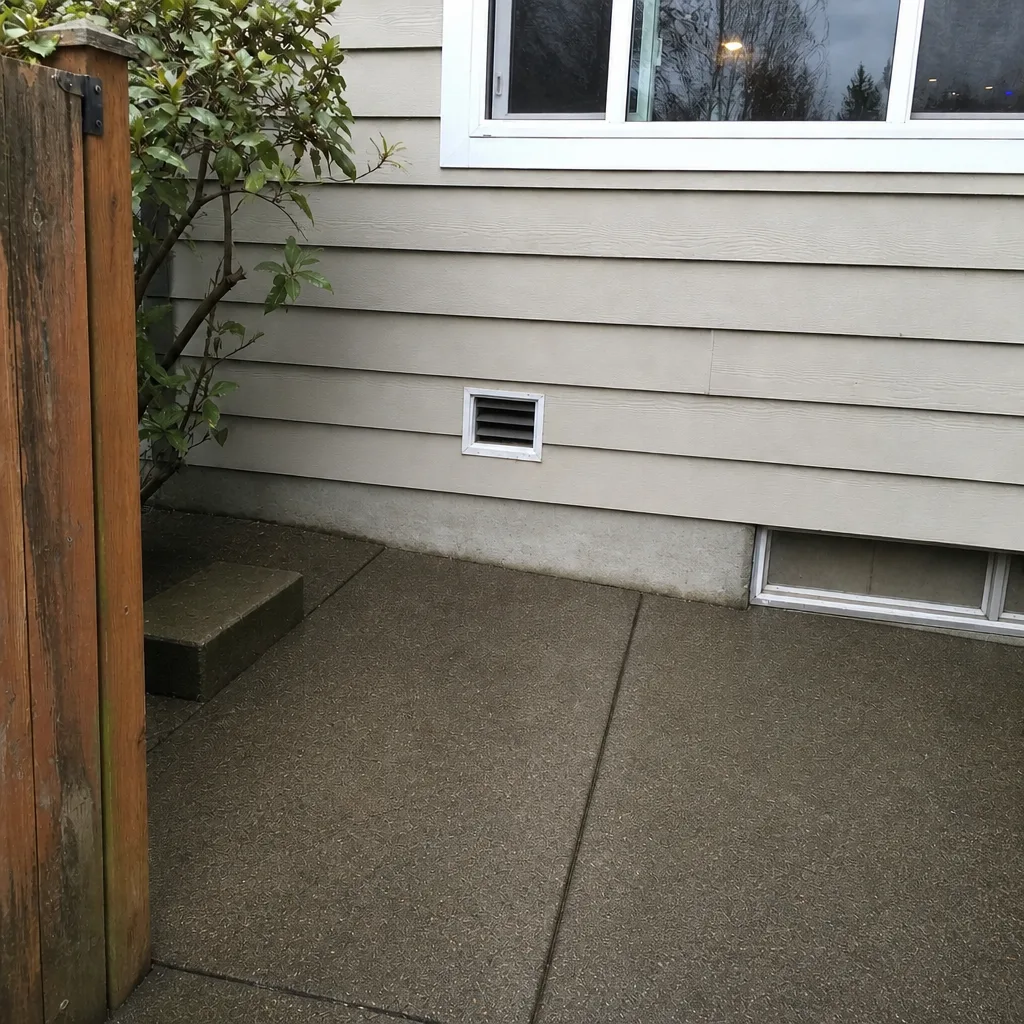
Whole-system duct and dryer vent check with before-and-after photos - you see exactly what came out of your vents
That "$99 whole-house special" is a bait ad - the real number appears once they are in your hallway, or the "clean" is a shop-vac at the register. We photograph the inside of your ducts before and after instead.
Air Duct Cleaning Permits, Codes & Inspections in Renton, WA: What You Need to Know
Your duct cleaner found a disconnected trunk line in the crawlspace. Reconnecting it sounds simple. But in Renton, that repair may need a mechanical permit from the City, and skipping it can complicate your next home sale far more than the loose duct ever would. Here’s the confusing part: the cleaning itself almost never requires a permit. The repair that cleaning uncovers often does. Most homeowners don’t know where that line sits, and plenty of contractors don’t explain it. This guide draws the line clearly for Renton. You’ll learn what Washington code treats as cleaning versus modification, when the City of Renton requires a mechanical permit, how to pull your home’s permit history, and how unpermitted HVAC work can affect insurance and resale.
Quick Answer
Air duct cleaning in Renton does not require a permit when the work is limited to removing dust and debris from existing ducts. Duct repair, duct replacement, new branch runs, and system modifications do require a mechanical permit through the City of Renton, following Washington’s mechanical code under WAC 51-52. NADCA documentation standards tell you what a cleaner should record. The building code tells you what must be inspected. They answer different questions.
Styles & brands we work with
- Whole-home duct cleaning
- Dryer vent cleaning
- Camera inspection
- Sanitizing & deodorizing
Table of Contents
- Cleaning vs. Modification: Where the Line Falls in Washington
- When the City of Renton Requires a Mechanical Permit
- Real Renton Scenarios: What Needs a Permit and What Doesn’t
- How to Pull a Permit Record for Your Renton Home
- NADCA Standards vs. Washington State Code: Why They Don’t Always Line Up
- The Insurance Angle: Unpermitted Mechanical Work and Your Coverage
- What an Inspection Actually Checks
- Selling a Renton Home With Unpermitted Duct Work
Cleaning vs. Modification: Where the Line Falls in Washington
Washington State separates duct work into two categories, and the split decides whether a permit is involved. Cleaning is maintenance. It removes accumulated dust, debris, and biological buildup from a duct system that stays physically the same. Modification changes the system: its shape, its connections, its capacity, or the equipment attached to it. Cleaning needs no permit. Modification under the mechanical code does.
Here’s how the two sides sort out in practice:
- Cleaning: source removal with negative-pressure equipment, brushing and agitating the duct interior, washing the blower and coil, sanitizing the air pathway. The duct system is unchanged when the job ends.
- Modification: replacing a section of flex duct, reconnecting a separated joint, adding a new supply branch to a finished room, installing a UV air purifier in the plenum, tying an ERV or HRV into the existing ductwork, resizing a return.
The dividing question is simple. Did the physical layout of the system change, or did only what’s inside it change? If the layout is the same, it’s cleaning. If the layout shifts, it’s mechanical work, and in Renton that means a permit.
We see this confusion most often in older Renton neighborhoods. In the Highlands and Kennydale, plenty of homes have duct systems that were pieced together over several decades. A cleaning reveals a joint that’s been loose for years. The instinct is to have the cleaner reattach it on the spot. That instinct is where unpermitted work usually begins. A reputable company will flag it as a repair, explain the permit path, and separate the two jobs on the invoice. For the cleaning side of that equation, our air duct cleaning service page explains how the work itself runs without a permit.
When the City of Renton Requires a Mechanical Permit
Renton issues mechanical permits through its Community and Economic Development department. The department applies Washington’s mechanical code, WAC 51-52, to residential HVAC work inside the city. The rule of thumb: if the work alters the duct system’s design, adds components, or replaces equipment rather than cleaning it, expect a permit.
These job types typically require one:
- Duct replacement: removing and installing new duct runs, whether flex, rigid, or a mix.
- New branch runs: adding a supply or return to a room that didn’t have one, or extending the system into a converted garage or addition.
- UV system installation: mounting an in-duct ultraviolet purifier on the plenum, which requires electrical work and a mechanical connection.
- ERV/HRV integration: tying a heat-recovery or energy-recovery ventilator into existing ductwork. These are increasingly common in Renton’s tighter, newer construction, and they change the system’s design.
- Major reconfiguration: resizing trunk lines, rerouting a main run, or converting from one duct type to another.
Work that usually does not require a permit: cleaning, sealing accessible joints with mastic, sanitizing, filter changes, and replacing flexible connections to registers where the layout is untouched.
When in doubt, call the City of Renton’s permit desk before the work begins. A five-minute call settles it. Asking after the fact is far messier.
Real Renton Scenarios: What Needs a Permit and What Doesn’t
Abstract rules don’t help much. Pictures do. These are the situations we run into most in Renton, sorted by permit status.
Scenario 1: A disconnected trunk in a crawlspace
A trunk line has separated from the main. Reconnecting it changes the system’s assembly, so it generally needs a mechanical permit. Sealing a minor gap that hasn’t separated the duct does not.
Scenario 2: Dusty ducts with no structural issues
This is straight cleaning. The system stays intact. No permit. We use negative-pressure equipment from Rotobrush and Abatement Technologies to pull debris out without recirculating it through the house.
Scenario 3: Adding a UV purifier in the plenum
An installed UV device that ties into the electrical and mounts inside the duct requires a mechanical permit. The device addresses biological growth on the coil, but the mounting and wiring make it a modification.
Scenario 4: A kitchen remodel that extends the duct
If the remodel adds an exhaust run or a new supply branch, the ductwork becomes part of the permitted scope. Renton’s remodel permits usually bundle the mechanical work into the main application, so neither gets missed.
Scenario 5: A leaking flex duct in an attic
Replacing a run of torn flex duct with new duct material needs a permit. Sealing accessible joints with mastic does not, as long as the duct stays in place.
All five scenarios hinge on whether the duct system’s physical layout is altered. None depend on how dirty the system is. That’s the point.
How to Pull a Permit Record for Your Renton Home
Renton keeps permit records online. Buyers and sellers both benefit from checking them, and it takes only a few minutes. The City of Renton’s online permit portal lists permits pulled on a residential address, the permit type, the date issued, and the final inspection status. Whether the final inspection closed out is the number that matters.
Here’s how to pull yours:
- Go to the City of Renton’s permit search on the Community and Economic Development page.
- Search by address, not by permit number, if you don’t know the number.
- Look for mechanical permits, HVAC permits, or remodel permits that might have included mechanical scope.
- Check the final inspection status. “Finaled” or “closed” means the work was signed off. “Open” or “issued” with no final means it wasn’t.
- Print or save the record if you’re mid-sale.
An open permit on a sale is a red flag to most buyers. It suggests work that was never inspected. A quick check before listing can save you a renegotiation later. Our guide to the Renton Air Duct Cleaning Co home page shows the full range of services we handle, from cleaning to duct sealing, if you need help untangling what’s been altered in the system.
NADCA Standards vs. Washington State Code: Why They Don’t Always Line Up
NADCA is the National Air Duct Cleaners Association. Its standards define what a professional cleaning should look like: source removal with negative pressure and agitation, documented before-and-after condition, HEPA-level filtration on the equipment, and an inspection of the system for defects before and after cleaning. Washington’s building code, by contrast, defines what must be inspected by a licensed inspector and what has to be documented to close a permit. These are two different rulebooks with two different purposes.
The practical mismatch:
- NADCA requires the cleaner to document that a duct is disconnected. The building code doesn’t inspect that finding. The two standards don’t talk to each other.
- NADCA doesn’t require a permit for cleaning. Washington code doesn’t either. That part aligns.
- NADCA’s standard for repaired ducts doesn’t replace the permit path. A duct that’s been repaired under NADCA procedures still needs a mechanical inspection if the repair counted as modification under WAC 51-52.
What this means for you: a duct-cleaning report is not a permit record, and a permit record is not a cleaning report. When you buy or sell a Renton home, ask for both. A cleaner’s documentation tells you the system was cleaned properly. The permit record tells you the system was built and repaired to code. Both matter. Neither substitutes for the other. This is where a duct repair and sealing capability matters, because it lets the same specialist flag the defect, explain the permit path, and separate cleaning from structural repair on the invoice. For HVAC system work beyond the duct runs, see our page on hvac cleaning and how it fits into a permitted mechanical scope.
The Insurance Angle: Unpermitted Mechanical Work and Your Coverage
Here’s the part the permit discussion rarely covers. Unpermitted mechanical work in a duct system can complicate insurance claims, particularly on water or fire damage where the HVAC system is involved. The mechanical question matters for two reasons: duct sealing affects air sealing, and air sealing affects moisture movement inside the building envelope. A poorly sealed or unpermitted duct repair can contribute to condensation and moisture damage the insurer might attribute to construction defects rather than an accidental loss.
On fire damage, dryer vent ductwork is often the crux. A dryer vent run that was altered without a permit, and without attention to code requirements for duct length, material, and termination, is easier for an insurer to point to as improperly installed work than one that went through inspection. This is one reason we treat dryer vent cleaning and inspection as a safety service, not a front for upsells. The vent is a documented fire risk.
What to do before a claim:
- Pull your permit history now, not after a loss.
- Ask your insurer whether your policy excludes claims arising from unpermitted construction. Many do, and few homeowners know it.
- If permitted work is missing, get a licensed mechanical contractor to assess the system and consider an after-the-fact permit through the City of Renton.
Renton’s rainy winter pushes moisture into attics and crawlspaces where ducts live. An improperly sealed run in a humid crawlspace over a wet season is a real contributor to mold growth that an insurer might not cover. That’s the practical downside of skipping the inspection.
What an Inspection Actually Checks
A Renton mechanical inspection on a residential duct system looks at three things: the assembly, the connections, and the installation. The inspector verifies that the ductwork meets WAC 51-52 requirements for material, size, sealing, and support. It’s not a cleaning inspection. The inspector isn’t looking for dust.
Expect the following checks:
- Duct material meets code for the application. Flex duct, rigid metal, and ductboard each have their class.
- Joints are sealed with mastic or approved tape, not duct tape alone.
- Duct support meets the spacing the code requires, which varies by duct type.
- Return air path is clear and correctly sized.
- For new branches or UV systems, the electrical connection, if any, is inspected separately.
What the inspector won’t do: confirm the ducts are clean. That’s a separate, voluntary verification, typically through a NADCA-certified cleaning report or a third-party air-quality test. The building code cares whether the duct was installed to code. It doesn’t care how clean it is.
Our technicians have up to 15 years of experience, and we’ve seen what passes inspection and what doesn’t. The most common reason a mechanical inspection fails in a Renton home is unsupported horizontal flex duct in an attic. The duct touches the deck rather than a strap, and code doesn’t allow it.
Selling a Renton Home With Unpermitted Duct Work
Renton’s housing market has moved quickly for years, but buyers and their agents have gotten sharper. An unpermitted mechanical modification in a home’s duct system is a standard question on most inspection reports now. The seller’s disclosure form in Washington asks about unpermitted work generally. If you know about it and don’t disclose, you’re exposed. If you disclose and don’t have a permit, most buyers will ask for one or negotiate a credit for the cost of getting it.
Three paths through a sale with unpermitted duct work:
- Get an after-the-fact permit. Renton allows this in many cases. You hire a licensed contractor to expose the work, correct what doesn’t meet current code, and schedule an inspection. The permit record then shows the work was eventually inspected.
- Correct and document the work. If the modification was never permitted, having a licensed contractor correct the installation and provide a written record is the next best thing. A buyer’s agent will often accept this with a negotiated credit.
- Disclose it up front and price the home to reflect it. This is slower and usually costs more, but it’s the cleanest path if the work is minor. Some buyers prefer a home with disclosed, priced-in issues.
The lesson for sellers: pull the permit history before you list. If there’s an open mechanical permit from a previous owner, get it closed. Buyers find open permits during inspection, and it rarely plays in your favor.
Common Mistakes to Avoid
- Assuming a repair can be absorbed into the cleaning visit. Reconnecting a disconnected duct, replacing a torn flex run, or adding a UV device is modification, not cleaning. Getting this wrong means the work may not be eligible for permit and an inspection later.
- Skipping the permit because “it’s just one duct.” Small scope still needs a permit if it’s in the code’s list. The permit record is what shows the work was inspected. A missing permit is a value problem on resale, not just a compliance one.
- Confusing a cleaning report with a permit record. NADCA documentation has real value, but it doesn’t replace a city permit. Buyers need both.
- Calling the City of Renton permit desk after the work is done, not before. Ask first. The contractor can often tell you the answer in a phone call, and the permit portal search takes five minutes.
- Not checking your insurance exclusions. If your policy excludes claims from unpermitted construction, a permit issue isn’t just about resale. It can affect coverage in a moisture or fire loss.
- Letting the dryer vent run get modified without a permit. Dryer vent work often counts as mechanical modification. If the run was extended, rerouted, or re-terminated, check whether it was permitted. Fire safety and code compliance overlap here.
- Trusting a low cleaning quote that quietly includes repair. If a cleaner offers to “reconnect the trunk for no extra charge,” that’s a signal to ask about the permit path before accepting. At best it’s an unpermitted modification. At worst it’s a code violation.
See the difference
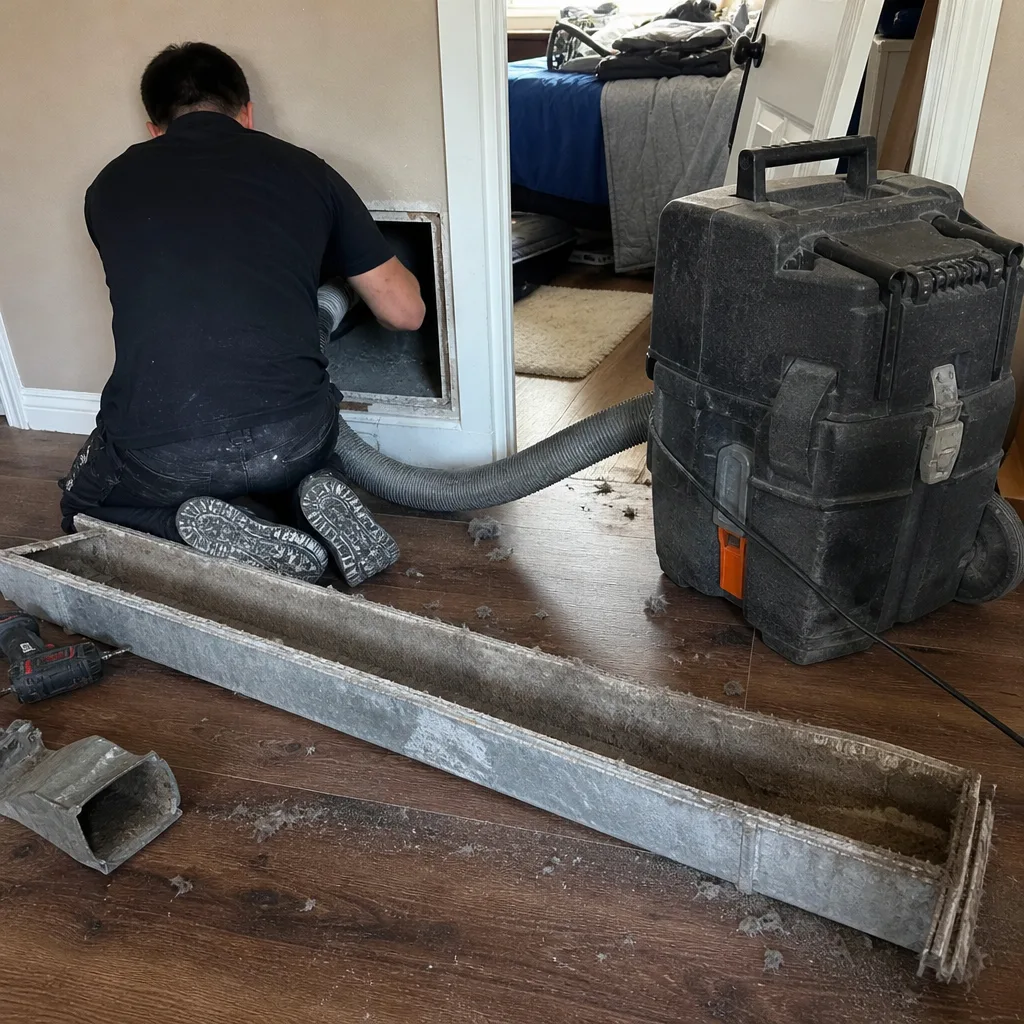 Before
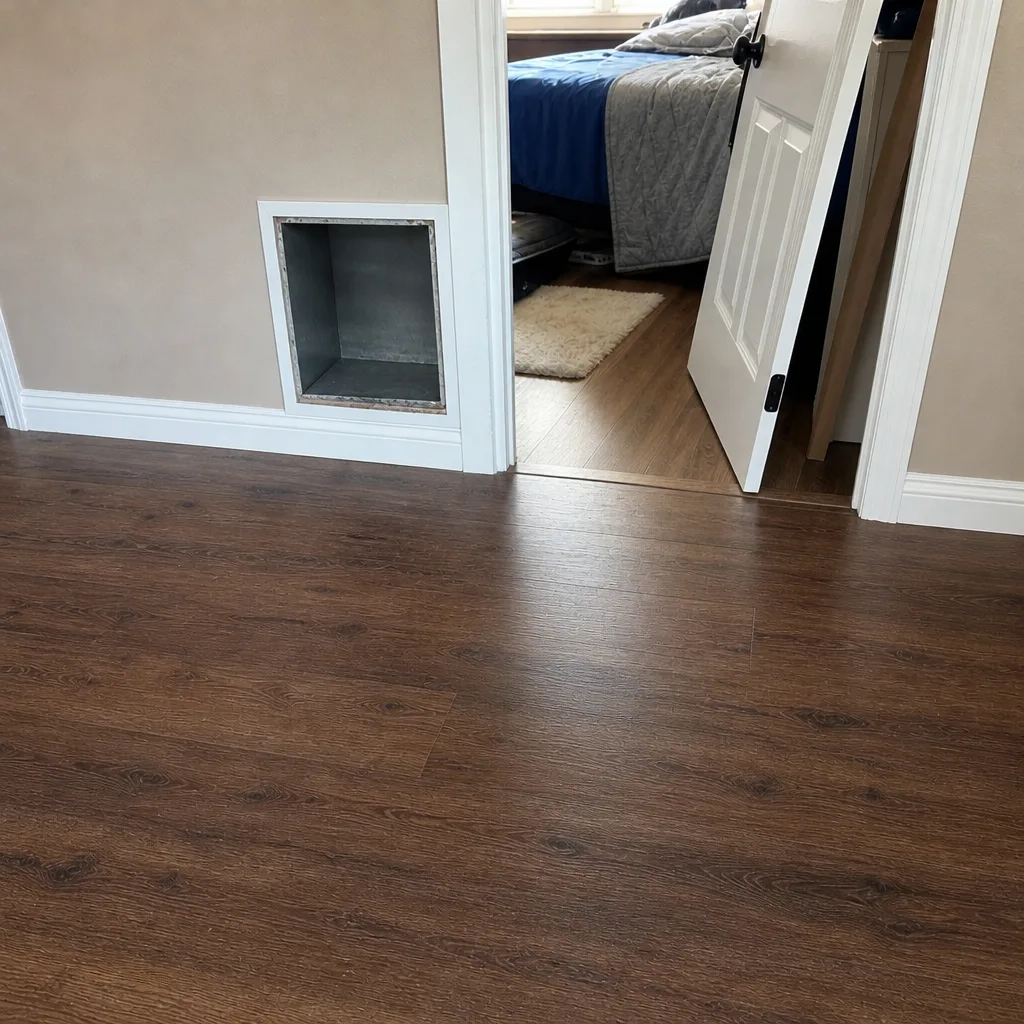 After
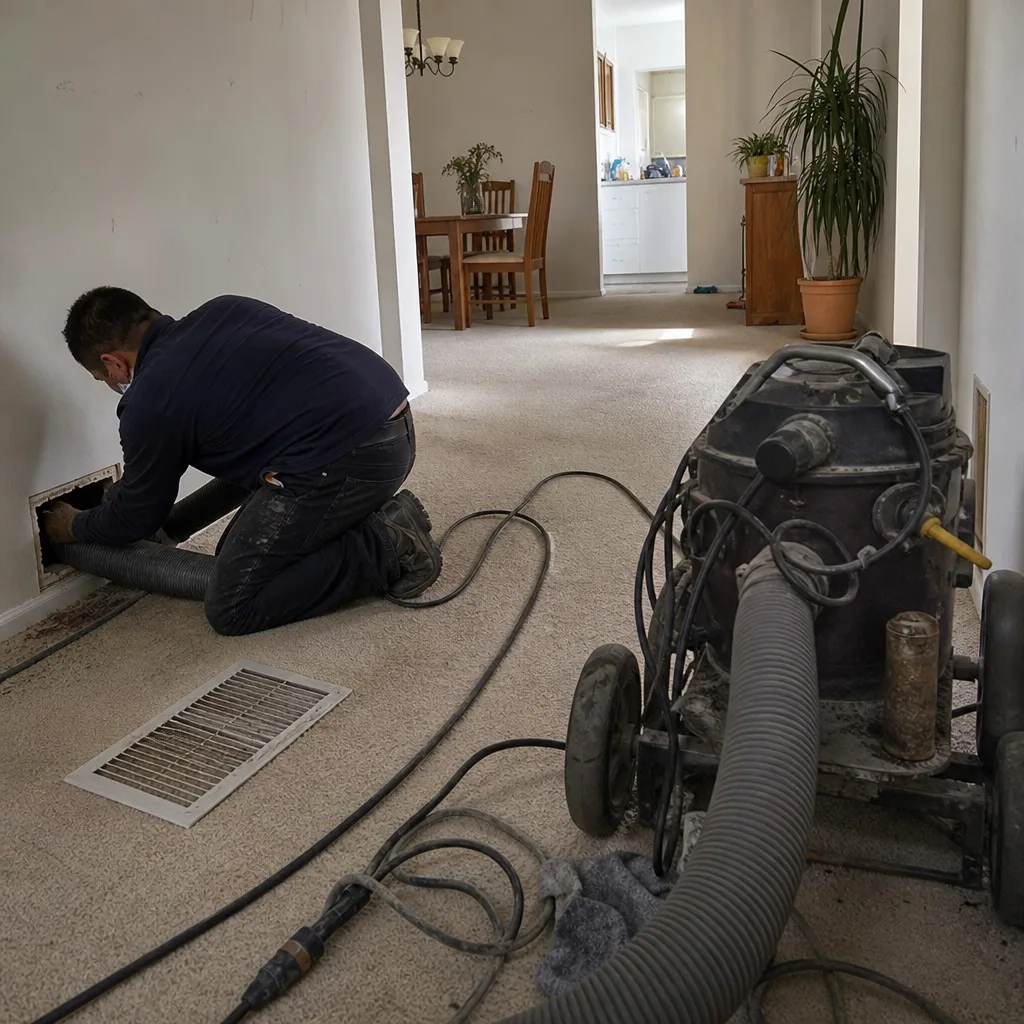 Before
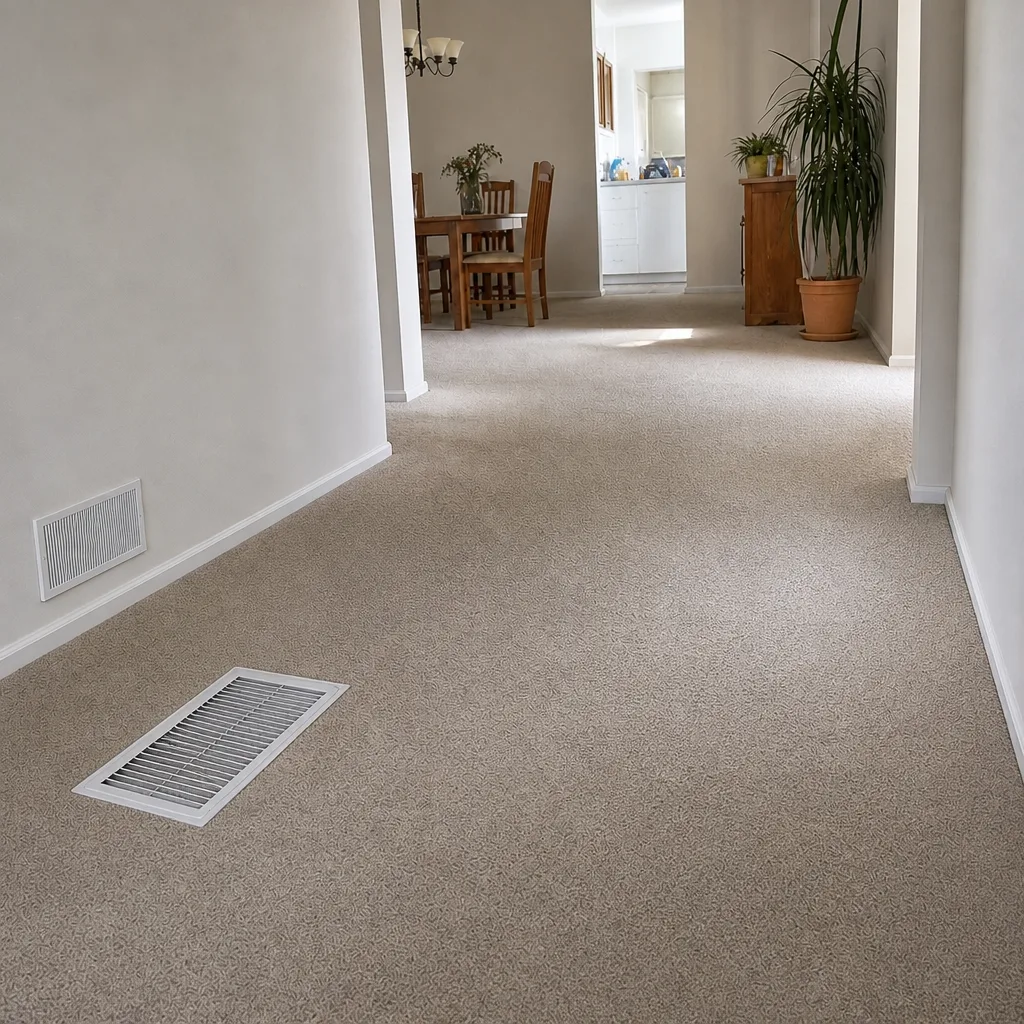 After
 Before
 After
When to Call a Professional
Call a professional if the ducts are visibly disconnected, if a trunk line has separated from the main, if a duct run needs replacement, or if the system hasn’t been inspected since a previous remodel. Call before you buy a Renton home if the seller can’t produce a permit record for recent HVAC work. Call before a remodel that extends or reroutes the duct system. And call if your dryer is taking longer to dry clothes, which is often the first sign of a lint-clogged vent and a fire risk. Renton Air Duct Cleaning Co offers free estimates in Renton; call (855) 337-1999. We answer 24/7, with fast dispatch from 7am to 7pm, Sunday through Friday. The written estimate sets the final price, and we’ll tell you plainly which parts of the work are cleaning and which parts need a permit.
Frequently Asked Questions
No. Air duct cleaning in Renton does not require a permit when the work is limited to removing dust and debris from an existing duct system whose physical layout stays unchanged. Duct repair, replacement, new branches, and system modifications do require a mechanical permit through the City of Renton. Call (855) 337-1999 for an exact quote on your cleaning or repair; estimates are free.
Cleaning removes what’s inside the duct. Repair changes the duct’s physical assembly: reconnecting a separated joint, replacing a section of duct, or adding a new component. The mechanical code under WAC 51-52 treats repair as modification, which triggers a permit. Cleaning alone does not. Call (855) 337-1999 for a free estimate; we’ll sort out which category your job falls into before we begin.
Use the City of Renton’s online permit portal to search by address. Look for mechanical, HVAC, or remodel permits that might have included ductwork. An “open” or “issued” status with no final inspection means the work was never inspected. Call (855) 337-1999 if you want help interpreting a permit record alongside a duct system inspection; estimates are free.
It can, especially on claims that involve moisture damage, HVAC-related water intrusion, or dryer vent fires. Many policies exclude claims from unpermitted construction, so a duct modification that never went through inspection is a real exposure. Check your policy language and pull your permit history before you need to file. Call (855) 337-1999 for a duct system inspection; we’ll document what we find.
Yes, in most cases. A UV air purifier mounted in the plenum and wired to the home’s electrical system, and an ERV or HRV integrated into the existing ductwork, both qualify as mechanical modifications under WAC 51-52. The City of Renton typically requires a mechanical permit for either. Call (855) 337-1999 for a free estimate that separates cleaning, repair, and installation scope.
Every few years for most Renton homes, sooner if you’ve had a remodel, a pet, allergy concerns, or visible debris at the registers. There’s no code-mandated interval; cleaning frequency depends on your system and how it’s used. The permit record is the code-side concern, not the cleaning interval. Call (855) 337-1999 and we’ll give you a realistic interval based on what we find.
The Bottom Line
The line between cleaning and modification is the line between no permit and a permit. Cleaning dust from the duct system needs no City of Renton mechanical permit, and reputable companies handle it as straight maintenance with professional-grade equipment. Duct repair, replacement, new branches, UV installs, and ERV integration under WAC 51-52 do need one. Pull your permit history before you sell, ask your insurer about exclusions now, and treat the duct-cleaning report and the permit record as two separate documents that both matter. For cleaning, repair, or an honest assessment of what your system needs, our team handles the full air pathway: ducts, HVAC, dryer vent, and indoor air quality, with equipment from Rotobrush, Nikro, and Abatement Technologies, and Honeywell and Aprilaire products where the root cause goes beyond the ducts. Call Renton Air Duct Cleaning Co at (855) 337-1999 for a free estimate in Renton.
Written by the team at Renton Air Duct Cleaning Co.