
Last updated November 25, 2026
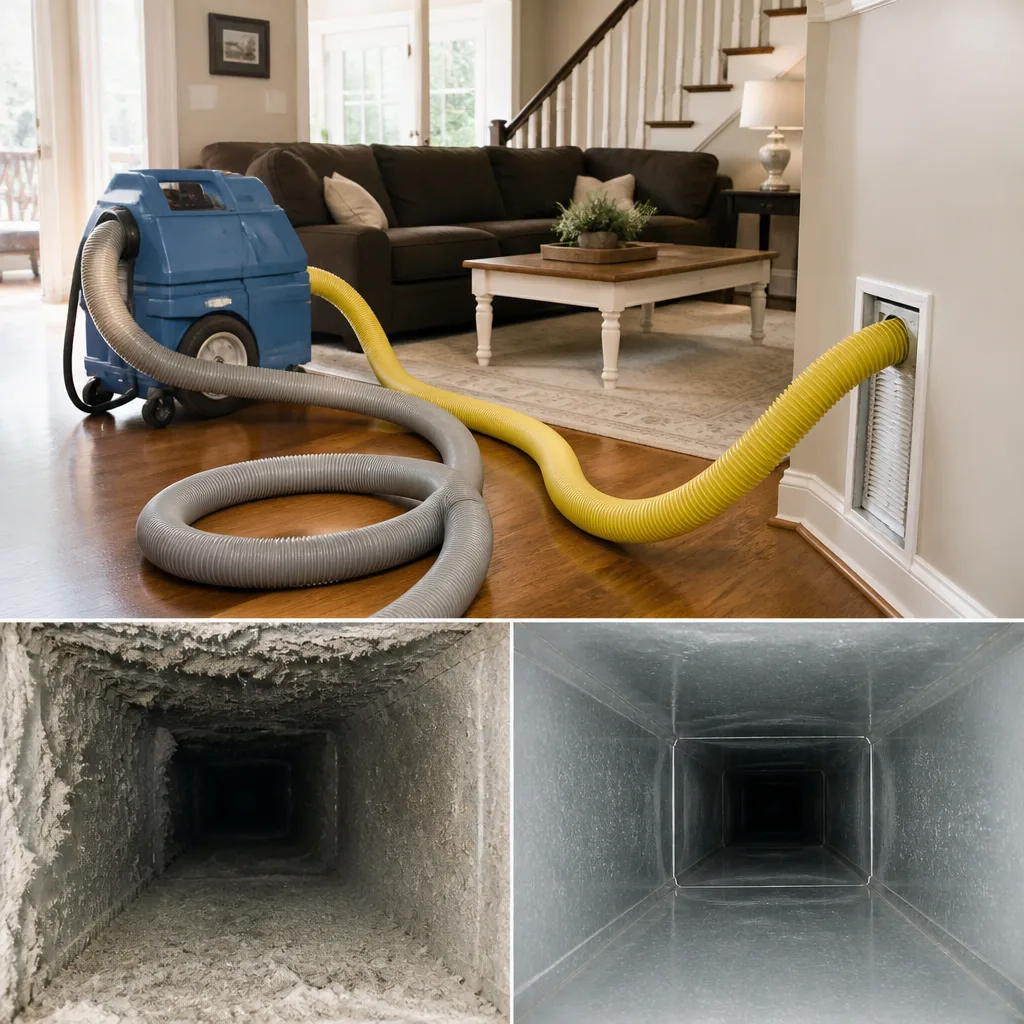 Whole-home duct cleaning
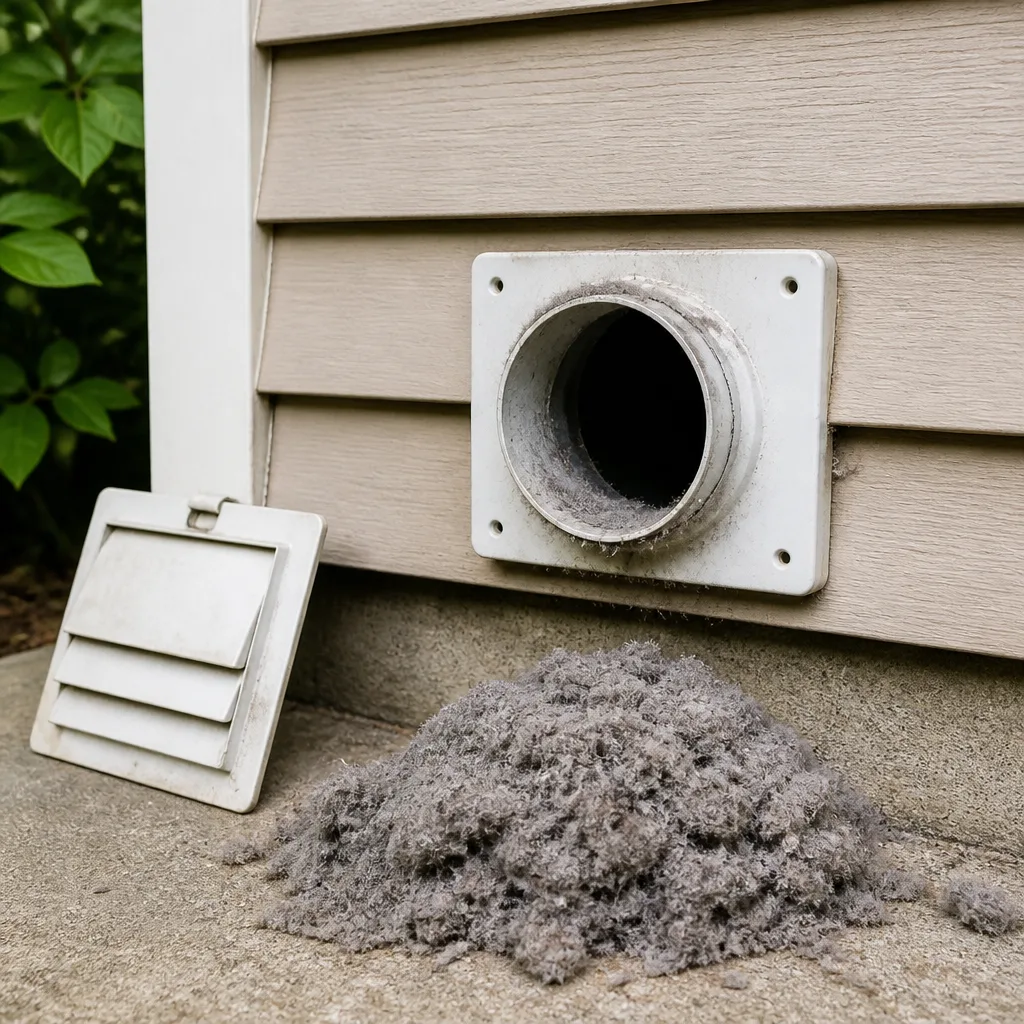 Dryer vent cleaning
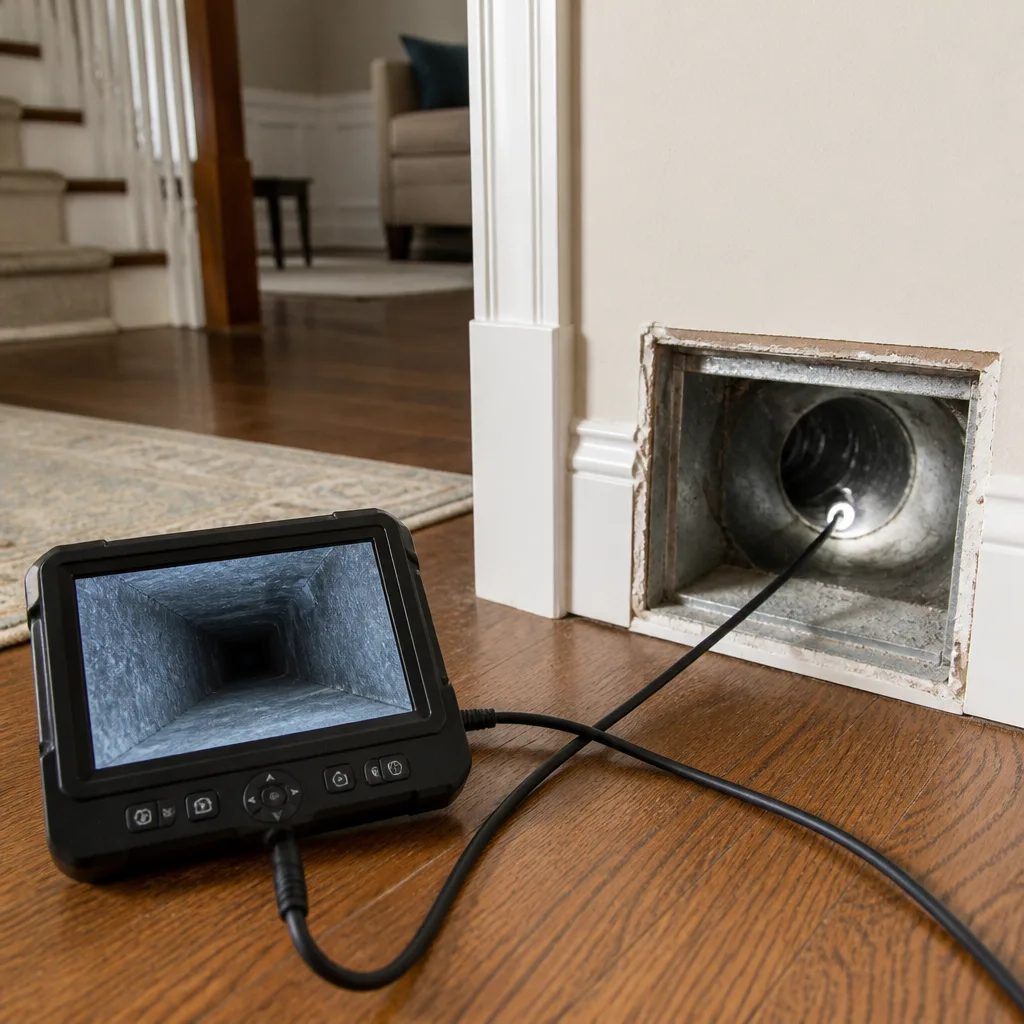 Camera inspection
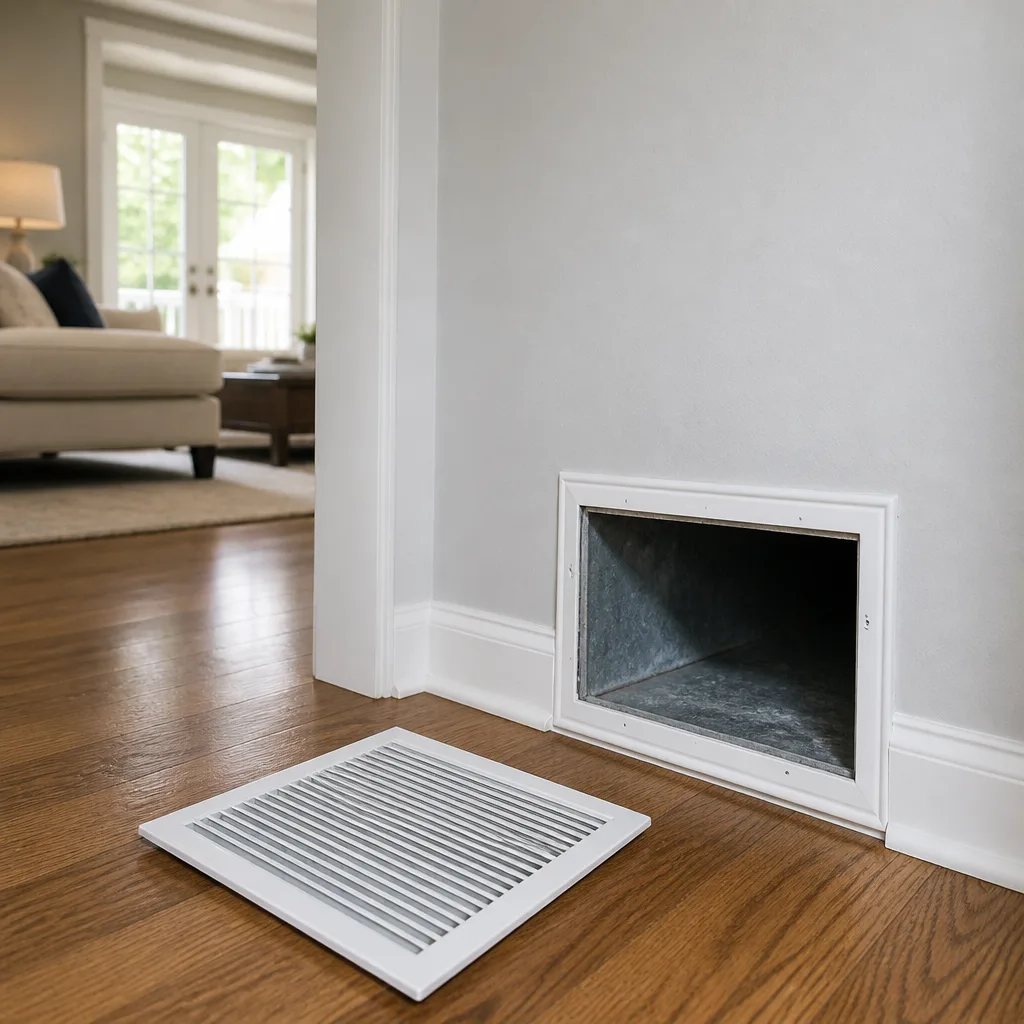 Sanitizing & deodorizing
Whole-system duct and dryer vent check with before-and-after photos - you see exactly what came out of your vents
That "$99 whole-house special" is a bait ad - the real number appears once they are in your hallway, or the "clean" is a shop-vac at the register. We photograph the inside of your ducts before and after instead.
How to Hire an Air Duct Cleaning Contractor in Renton: A Step-by-Step Guide
In Washington State, anyone with a business license and a shop vacuum can legally advertise air duct cleaning. That’s the uncomfortable fact most hiring guides skip right past. There’s no statewide duct-cleaning license, no mandated certification, no inspection that separates a trained air-pathway specialist from a person who bought a vacuum and printed flyers. The gap between a bargain-bin operator and a firm that actually knows what’s inside your ducts is enormous, and it stays completely invisible until you know the exact questions to ask. This guide gives you those questions. We’ll walk through the five technical things to ask before you book, the red flags that show up in low bids, how to verify a NADCA credential, what a real contract must contain, and how to compare wildly different quotes from Renton contractors so you’re actually comparing scope to scope.
Quick Answer
To hire an air duct cleaning contractor in Renton, ask five questions before booking: what equipment they use, whether they clean under negative pressure, whether they document the work on camera, whether anyone on the crew holds a NADCA ASCS credential, and how they verify results after the job. A legitimate contractor answers all five without hesitation, provides a written scope of work, and quotes a flat price per system rather than a per-vent figure. If any of those answers is vague or deflected, keep looking.
Styles & brands we work with
- Whole-home duct cleaning
- Dryer vent cleaning
- Camera inspection
- Sanitizing & deodorizing
Table of Contents
- Why Hiring Right Matters More in Renton Than You’d Think
- The Five Questions That Separate Specialists From Van-and-Vacuum Operators
- Red Flags Specific to Low-Bid Operators
- How to Verify a NADCA Credential (Step by Step)
- What a Legitimate Job Contract Must Include
- Why Three Renton Quotes Come Back With Different Scopes
- Equipment: What Professional-Grade Actually Means
- Signs Your Ducts Need Cleaning in the First Place
- Common Mistakes to Avoid
- When to Call a Professional
Why Hiring Right Matters More in Renton Than You’d Think
Renton sits in a stretch of the Puget Sound lowlands where the air stays damp for a good chunk of the year, and that matters for ductwork. Homes here deal with a long shoulder season of moisture, and older housing stock throughout neighborhoods like Renton Highlands and the Kennydale area often has duct systems that were installed decades ago and never sealed properly. Damp air plus unsealed ducts equals a system that pulls in whatever’s floating around a crawl space, an attic, or a garage. That’s not a scare tactic. It’s simply how the physics of a leaking return duct work.
Add to that the region’s tree pollen in spring, the smoke that drifts into the valley during fire season, and the closed-window months of winter, and you’ve got a genuine air-quality reason to take duct cleaning seriously in Renton. When you hire, you’re not just buying a cleaning. You’re buying access to someone who understands the air pathway of a home in this climate and can address the parts that matter.
What makes the hiring decision hard is that the industry itself is mostly unregulated at the state level. No license proves competence. No inspection catches a bad job before you’ve paid for it. The only real safeguard is your own ability to ask the right questions, understand the answers, and walk away when they don’t add up. That’s what the rest of this guide is built to give you.
At Renton Air Duct Cleaning Co, we come at this from one direction only: indoor air quality through the air pathway. Ducts, HVAC system, dryer vent, and air treatment. We don’t do roofing, we don’t do gutters, and we don’t treat duct cleaning as a sideline. That focus is what lets a specialist answer the five questions below without hesitation. Use the same test on anyone you’re considering.
The Five Questions That Separate Specialists From Van-and-Vacuum Operators
These five questions do more to protect you than any review, coupon, or glossy website. Ask them on the phone before you book. A specialist will answer all five clearly and refuse to dodge. A generalist or a low-bid operator usually stumbles by question two. Here’s what to ask and what a real answer sounds like.
-
What equipment will you use? The right answer names actual professional-grade systems, not “a commercial vacuum.” Rotobrush and Nikro are industry-standard duct-cleaning systems trusted by commercial and restoration contractors. A source-capture extractor plus rotary agitation heads is what dislodges the debris and pulls it out, rather than just puffing it around. If they can’t name the equipment or won’t describe the setup, that’s a problem. Cleaner air starts with the right tools, and a shop-vac rig is not it.
-
Do you clean under negative pressure? This is the single most important operational answer. Negative-pressure cleaning means a high-powered vacuum pulls the whole duct system into a state of low pressure while agitation breaks debris loose, so the debris goes out of the system rather than into your living room. A contractor who doesn’t clean under negative pressure, or doesn’t know what the term means, is a passenger in their own process. This is why we deploy Abatement Technologies air-filtration equipment on every job: dislodged contaminants get captured rather than recirculated through the home.
-
Will you document the work on camera? Ask this two ways: before and after. A serious specialist will show you what’s inside the ducts before cleaning, then show you the result afterward. Before-and-after photos of your own ducts are the only honest proof the work happened. Anyone who won’t put a camera in the system or won’t share what it shows is asking you to take the job on faith.
-
Does anyone on the crew hold a NADCA ASCS credential? ASCS stands for Air Systems Cleaning Specialist, the credential issued through the National Air Duct Cleaners Association. This is the closest thing the industry has to a competence standard, and it’s worth asking about directly. More on how to verify it in the next section.
-
How do you verify the job after you’ve finished? A good answer involves a documented walkthrough, and in many cases a second camera pass or a particle-count or airflow check. A weak answer is “it looks clean.” Cleaning that isn’t verified isn’t really a service. It’s a visit.
Ask all five on the phone. Write down the answers. You’ll know within a few minutes which contractor you’re dealing with. A specialist doesn’t get defensive at these questions. They expect them, because serious homeowners ask them, and because they’re proud of the answer.
Red Flags Specific to Low-Bid Operators
There are a handful of specific tells you can spot from a single phone call that mean you should walk away. They aren’t subtle once you know what to look for. Here are the ones we hear the most about from Renton homeowners after the fact.
- Quoting by “number of vents” instead of system size. Vents aren’t the unit of work; duct length and system complexity are. A quote that multiplies your vent count by a number is almost never accurate, because two houses with ten vents each can have wildly different runs. Flat price per system agreed before the work starts is the honest model. Per-vent pricing is how a lowball turns into a much larger invoice on site.
- Refusing to show equipment before the job. A real contractor is proud to show you what’s going in your ducts. If you ask to see the truck setup or the equipment documentation and get a deflection, that’s your answer. No reputable operator is hiding the tools they’re about to run inside your house.
- No written scope of work. If the job only exists in a phone call, it doesn’t exist. The written estimate should clearly list what will be cleaned, how access points will be managed, how containment works, and how debris will be disposed of. Anything short of that leaves you unprotected.
- A massive advertised discount that suddenly has conditions. Promotional pricing that evaporates on inspection, or that comes with a long list of add-ons not in the original quote, is a bait-and-switch pattern. One flat price for the whole system, agreed before work starts, is the model that protects you.
- No interest in your questions about the air pathway. A specialist who’s asked about dryer vents, HVAC coil condition, or sealing wants to talk about it. A person who’s only there to run a vacuum and leave doesn’t. If the only thing they want to discuss is the price, that tells you what the job will look like.
- No mention of what happens if mold is found mid-job. This is a real scenario, and it’s a great test question. A prepared contractor already has a policy. A generalist will improvise, and the improvised version is rarely in your favor.
The underlying theme of every red flag is the same. The bait-and-switch problem in this industry comes down to scope ambiguity, and the contractors who profit from it depend on that ambiguity. If you nail the scope down in writing, and get the price locked per system before the tech arrives, the red flags become almost impossible to hide. That’s the whole game.
How to Verify a NADCA Credential (Step by Step)
The National Air Duct Cleaners Association (NADCA) is the industry body that publishes the ACR standard for air duct cleaning and issues the ASCS credential for technicians. If a contractor claims NADCA membership or an ASCS certification, you can verify the claim independently in a few minutes. Do it. A verbal claim is worth nothing until it’s checked, and the check itself is not difficult.
- Ask for the company’s exact legal name and location. Not the marketing name, the registered business name. NADCA membership is tied to a company, and the listing usually names the city and state.
- Go to the NADCA member directory. The association maintains a public “Find a Professional” search on its website. Search by company name, city, or state. If the company claims membership and doesn’t appear, that’s a yellow flag worth following up on.
- Ask for the individual ASCS credential holder’s name and certificate. The ASCS credential is held by an individual technician. The company should be able to tell you who holds it and provide the certificate or a credential number.
- Confirm the credential is current. NADCA credentials are renewed on an ongoing basis, and a lapsed ASCS is not an active certification. Ask when the credential was last renewed.
- Check back on any claim that doesn’t line up. If a company says “we’re NADCA certified” but can’t produce a company listing or an individual credential holder, you’ve learned what you needed to learn. NADCA membership is not required to do good duct cleaning, but claiming it falsely is a serious integrity problem.
One practical note: NADCA membership is voluntary and not all experienced, credible contractors are members. But when a contractor volunteers the claim, it should never be hard to verify. Any resistance to the lookup process is the signal. If they’re honest about NADCA and straightforward about the ASCS situation on their crew, you can proceed to scope and pricing with confidence.
What a Legitimate Job Contract Must Include
By the time the estimate gets written, you should have a document that covers four things at minimum. Each one protects you at a different stage of the job. Here’s what to look for in the written scope, before anyone’s equipment is inside your home.
-
System access points. The contract should describe where the technicians will access the system: which registers, which return grilles, whether they’ll need to cut any access panels, and if so, how those panels will be restored. Access is the messy part of duct cleaning, and it should be spelled out in advance.
-
Containment method. How does the contractor keep debris and dust out of your living space while cleaning? Negative pressure plus on-tool HEPA filtration plus containment barriers at the registers is the professional answer. If the contract doesn’t mention containment at all, that’s the paragraph to circle in red.
-
Disposal process. Where does the debris go? The contractor should have a clear answer: collected in a sealed unit, removed from the property, disposed of properly. Any answer that amounts to “we vacuum it up somewhere” isn’t a disposal process.
-
Mold discovery clause. If mold is found mid-job, what happens? The contract should say how the contractor identifies it (usually by camera), what they do or don’t clean, and how repair or remediation is handled. Some contractors will stop and refer you to a remediation specialist. Others will offer a full-scope service that includes sanitizing. Either is a valid policy, but it must be written down before you sign.
Add to that four baseline items: the flat price per system, the payment terms, the cancellation policy, and the warranty or satisfaction policy in plain language. If any of those is missing, ask. A contractor who balks at putting their terms in writing is a contractor who plans on being flexible about them later. That flexibility never works in your favor.
Why Three Renton Quotes Come Back With Different Scopes
Get three quotes in Renton and you’ll often find yourself holding three numbers that don’t seem to be about the same job. One contractor quoted two hundred dollars, another quoted six hundred, and a third quoted a number somewhere in between. This isn’t a scam by itself. It’s a scope problem. The cheapest quote is usually cleaning the main trunk and skipping the branch runs. The middle quote cleans the trunk and the branches but skips dryer vent and HVAC cleaning. The high quote cleans the full air pathway. None of the three is wrong, exactly, but you can’t compare them directly.
The fix is to normalize them yourself. Before you call anyone, write down the scope you want cleaned: every branch run, the main trunk, the return system, the HVAC air handler or coil, and the dryer vent. Then ask each contractor to price that exact scope. Some will quote the full pathway. Some will tell you they don’t do dryer vents, or don’t do HVAC cleaning, or don’t do duct sealing. That answer alone tells you who you’re dealing with. A specialist handles all five services. A generalist quotes you for the one they do and tells you to call someone else for the rest.
Here’s the comparison template we suggest. Take a sheet of paper, list these five items across the top, and put a check or an X under each contractor’s column:
- All branch runs and main trunk cleaned
- Return system cleaned
- HVAC system and air handler cleaned
- dryer vent cleaning included
- Duct repair or sealing capability if needed
What you’ll find is that the “cheapest” quote is usually missing three or four items, and the specialist quote is missing none. Apples-to-apples comparison only works when the scope is identical, and the scope is only identical when you define it. Do that, and the pricing differences become meaningful instead of confusing. Two quotes that look a hundred dollars apart often turn out to be three hundred dollars apart once the scope is aligned, because the low quote isn’t actually covering what you need.
Also ask about the written-after-the-fact problem. Some quotes are verbal and then “adjusted” once the tech arrives and finds “more than expected.” The system size doesn’t change between quote and job. A flat price per system agreed before work starts is the model that holds. This is what we do at Renton Air Duct Cleaning Co, and it’s what any serious contractor should be willing to do.
Equipment: What Professional-Grade Actually Means
Professional-grade equipment isn’t a marketing phrase. It’s a specific category of machinery, and it behaves very differently from consumer-grade shop vacuums and small handheld cleaners. Professional duct systems use negative pressure to pull the entire network of ductwork into a low-pressure state, then agitate the debris from inside each run. That debris travels out through the vacuum line and gets captured, not vented into the room. The whole job depends on getting the pressure and the agitation right, which is why the equipment matters so much.
The companies that do this well use systems from manufacturers like Rotobrush and Nikro. Both are known in the trade as commercial-grade equipment, not consumer hardware, and they’re built for high-volume agitation and consistent airflow through a whole system. Alongside them, air-filtration equipment runs the entire time on the job. We deploy Abatement Technologies air-filtration units on every visit because debris does not stay politely inside the vacuum. It gets airborne, and the filtration is what keeps it out of your living space.
Beyond cleaning, “professional-grade” also means being able to fix what needs fixing rather than just cleaning around it. We seal what we clean. Duct repair and sealing is part of the toolset, not a separate company’s phone number. If a duct run has a gap at a joint, cleaning without sealing is going to leave that same gap open for the next decade. A serious pathway specialist fixes it while they’re in there.
The other part of the equipment story is air-quality hardware. We install and recommend Honeywell and Aprilaire products, which are indoor-air-quality systems stocked by HVAC professionals rather than box stores. Whole-home filtration, humidification, and media cabinets all sit at the same intersection of duct work and air quality that we’re already focused on. That’s not a sales pitch. It’s the natural conclusion of doing full air-pathway work: if you’ve just cleaned and sealed the system, you’re in a perfect position to address root-cause air quality, and a generalist contractor usually isn’t.
Ask every contractor you call what equipment they’ll use on your home. If they name Rotobrush or Nikro, they’re in the right family of tools. If they name something a homeowner could rent from a hardware store, they’re not a specialist.
Signs Your Ducts Need Cleaning in the First Place
Some of the calls we get about duct cleaning are proactive. Some are because something is clearly wrong. If you’re in the second category, here are the signs that most often trigger a call in a Renton home.
- Visible dust plumes at the registers when the HVAC starts. If you can see dust puffing out of a supply grille when the system kicks on, that’s debris in the ducts getting launched into the room. Not a subtle sign.
- A persistent musty or dusty smell that doesn’t improve with cleaning. Odors that seem to come from the vents themselves, rather than the room, usually point to microbial growth or accumulated debris in the duct system.
- Allergy or asthma symptoms that get worse indoors. Ducts don’t cause asthma, but they can concentrate and circulate particulates that trigger symptoms. If symptoms track with indoor time and worsen in certain rooms, ducts are worth investigating.
- Recent renovation or remodeling. Drywall dust, wood dust, insulation fibers, and construction debris have a way of finding the returns. Any renovation in the last two years makes a duct cleaning worth considering.
- A dryer that takes two cycles to dry a load. That’s a dryer vent cleaning signal, and it’s a fire-safety issue, not just a convenience one. Lint accumulation in a dryer vent is a leading cause of residential house fires, and a dryer that runs hot and slow is telling you something.
- Pest activity. Rodents and insects in ductwork leave droppings and debris that need professional removal, not a vacuum attachment at the register.
- Water damage or a known moisture problem. If a roof leak, plumbing failure, or crawl-space moisture problem has touched the HVAC system, the ductwork should be inspected before you keep running air through it.
You don’t need every item on this list to justify a call. One strong signal, especially the dryer-vent one, is enough. The point is to know what you’re seeing before you pick up the phone, so you can ask the right questions when you do.
Common Mistakes to Avoid
- Booking the cheapest quote without asking what it covers. The lowest number is usually missing branch runs, HVAC cleaning, or containment. Line-itemize each quote against the same scope before you decide.
- Skipping the dryer vent because “we’re just doing the ducts.” The dryer vent is part of the same air pathway and is the single most fire-relevant piece of it. If a contractor doesn’t mention it, that’s a sign they’re not treating the pathway as a system.
- Accepting a quote by phone without a written scope. In Renton, verbal estimates are a major source of the bait-and-switch problems that give this industry a bad name. Get it in writing or move on.
- Not asking about certification. NADCA ASCS exists, and it takes two minutes to verify. Skipping the check is not saving you time, it’s saving you information you need.
- Letting a contractor clean without verifying the equipment. Ask what’s coming in your home. Ask to see it. Rotobrush or Nikro is a yes. A shop vac and a brush is a no.
- Not asking what happens if mold is found. If you don’t have that answer in writing, you’re gambling that nothing turns up. Ducts in damp Puget Sound basements and crawl spaces are not the place to gamble.
- Failing to compare three quotes on identical scope. Three quotes with three different scopes isn’t three quotes. It’s three different projects. Normalize them before you choose.
If there’s one consistent thread through these mistakes, it’s a willingness to take a verbal assurance at face value. Duct cleaning is one of the few home services where the technical work is completely invisible once it’s done, so the documentation has to be the product. Insist on it. The contractors who expect that are the ones you want inside your ductwork.
When to Call a Professional
You should call a professional if you’re seeing visible debris from your registers, if your HVAC system is pushing a persistent odor, if anyone in the home has allergy or asthma symptoms that get worse indoors, or if you’ve recently finished a remodel. A dryer that’s running slow or hot warrants a call sooner, since dryer vents are a fire-safety issue. If you’ve bought a home in Renton with an unknown duct history and you don’t know when the system was last cleaned or sealed, a full inspection and cleaning is a reasonable starting point. And if the ductwork is older or has visible gaps at the joints, cleaning plus sealing is the right combination.
Renton Air Duct Cleaning Co offers free estimates in Renton. Call (855) 337-1999. We answer 24/7. Fast dispatch from 7am to 7pm, Sunday through Friday. Our technicians have up to 15 years of experience, and we bring professional-grade equipment from Rotobrush and Nikro plus Abatement Technologies air-filtration units to every job. You’ll see before-and-after photos of your own ducts, and you’ll have a written scope before any work starts.
See the difference
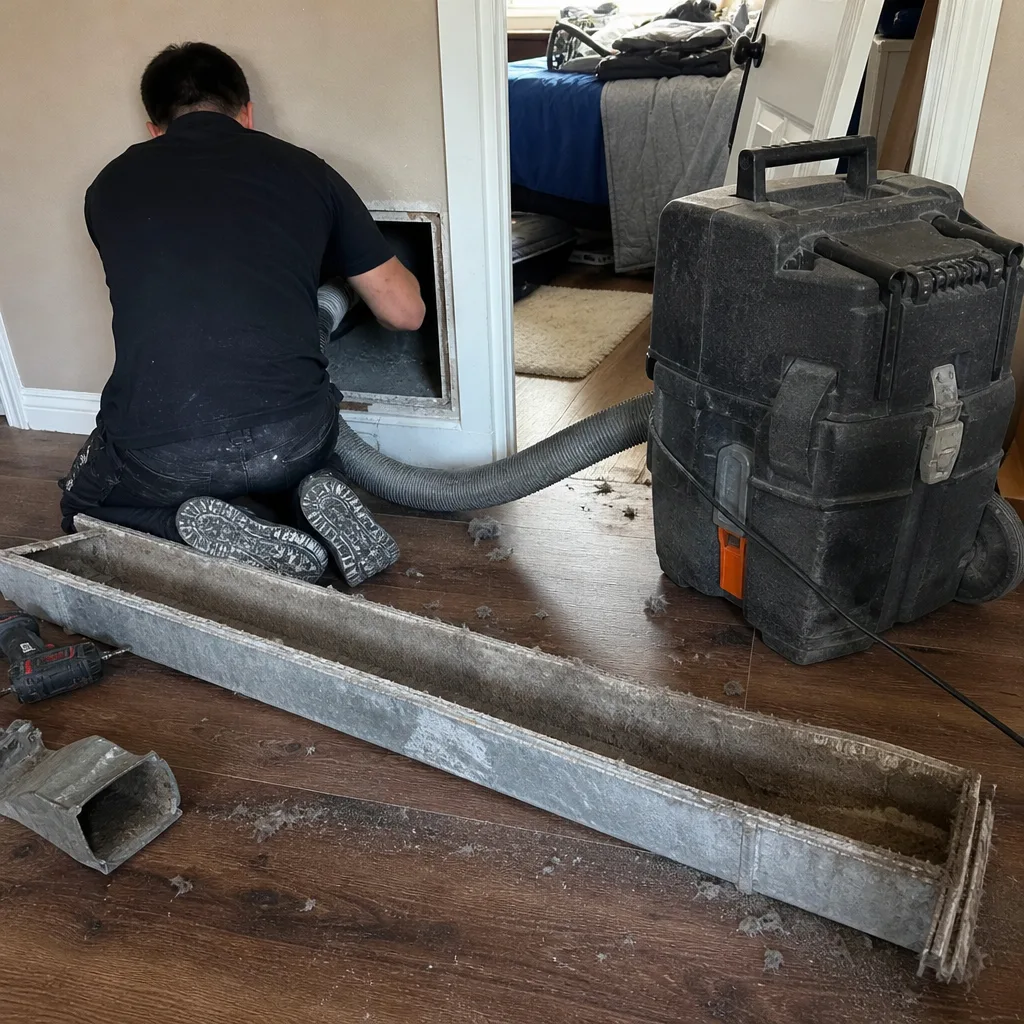 Before
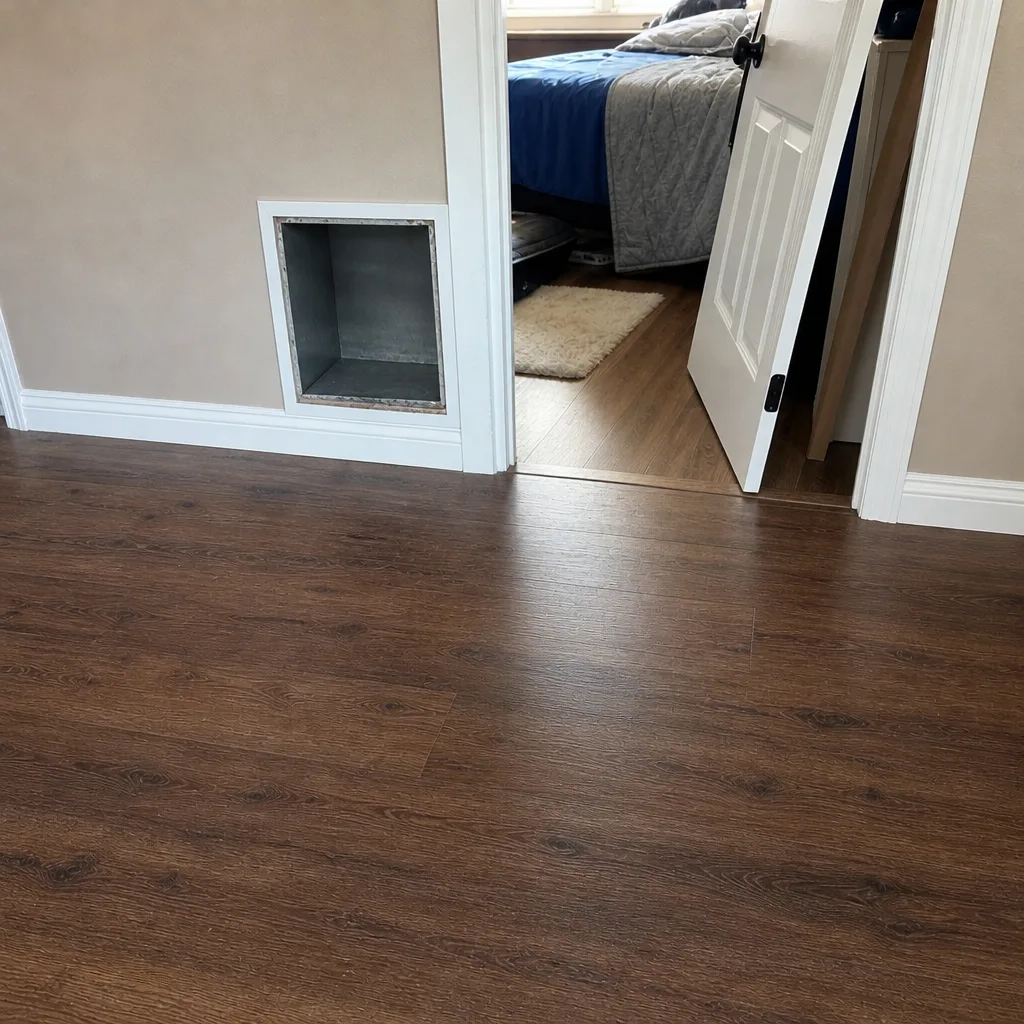 After
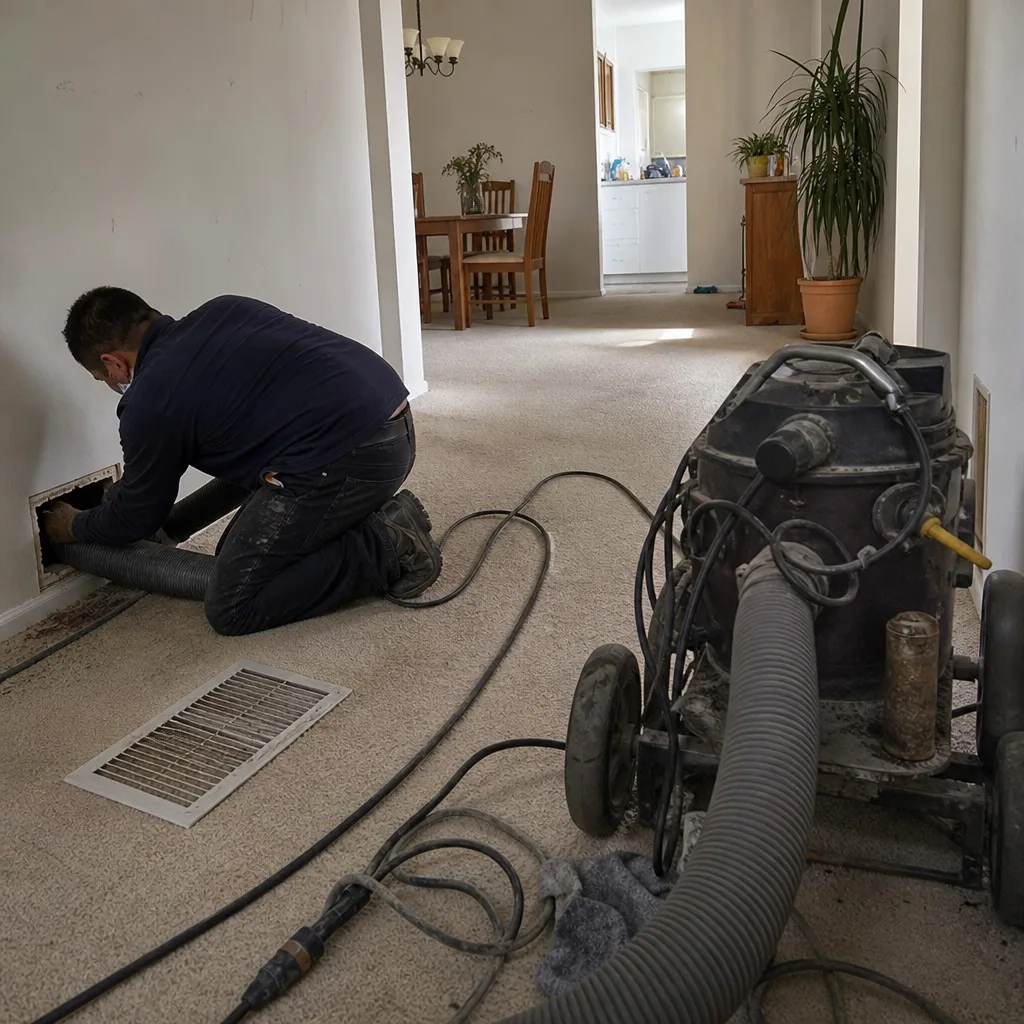 Before
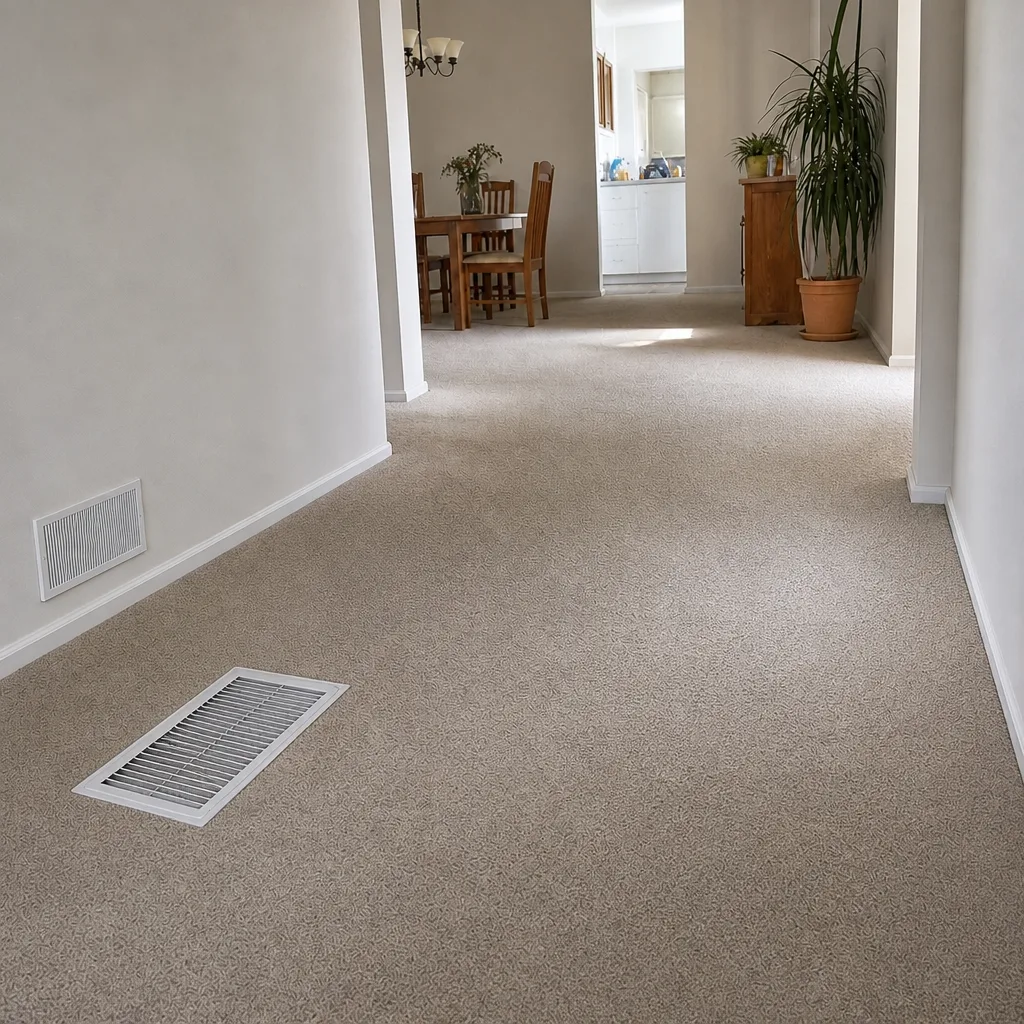 After
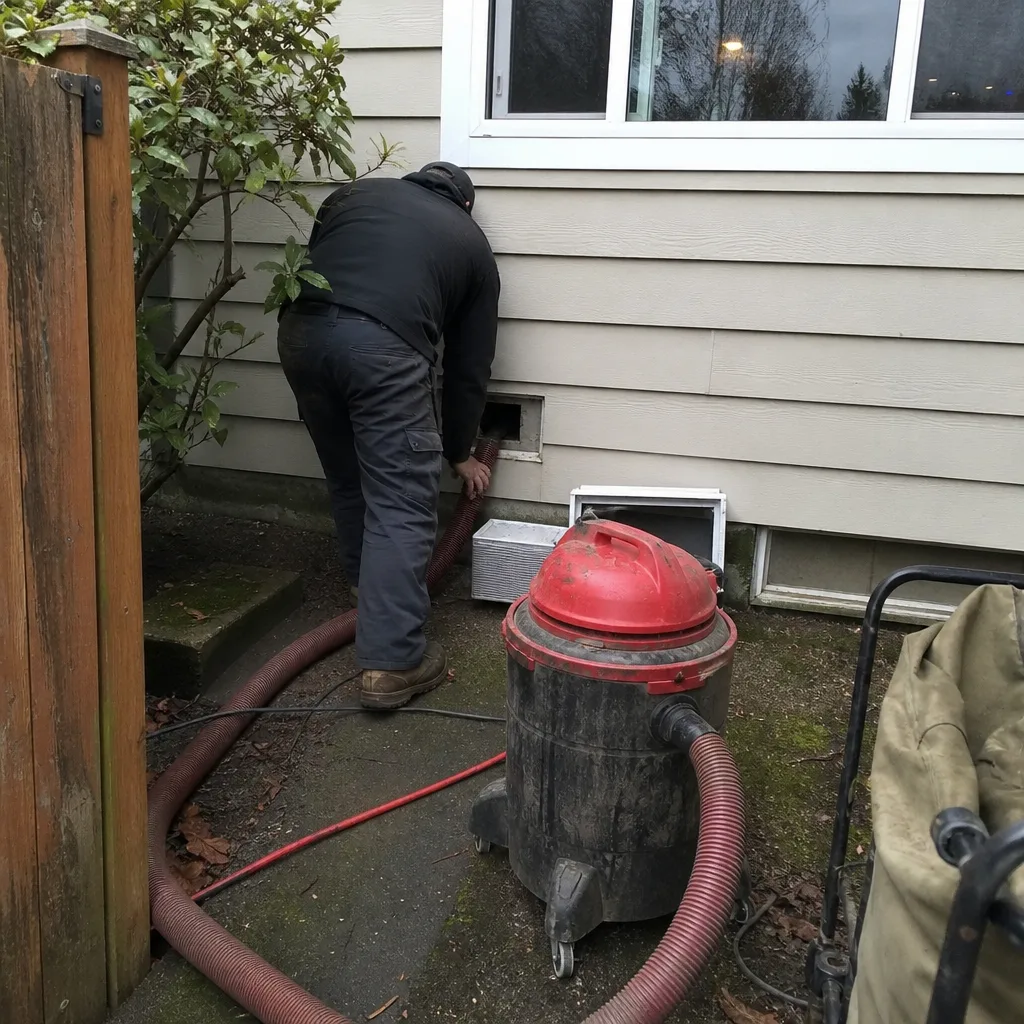 Before
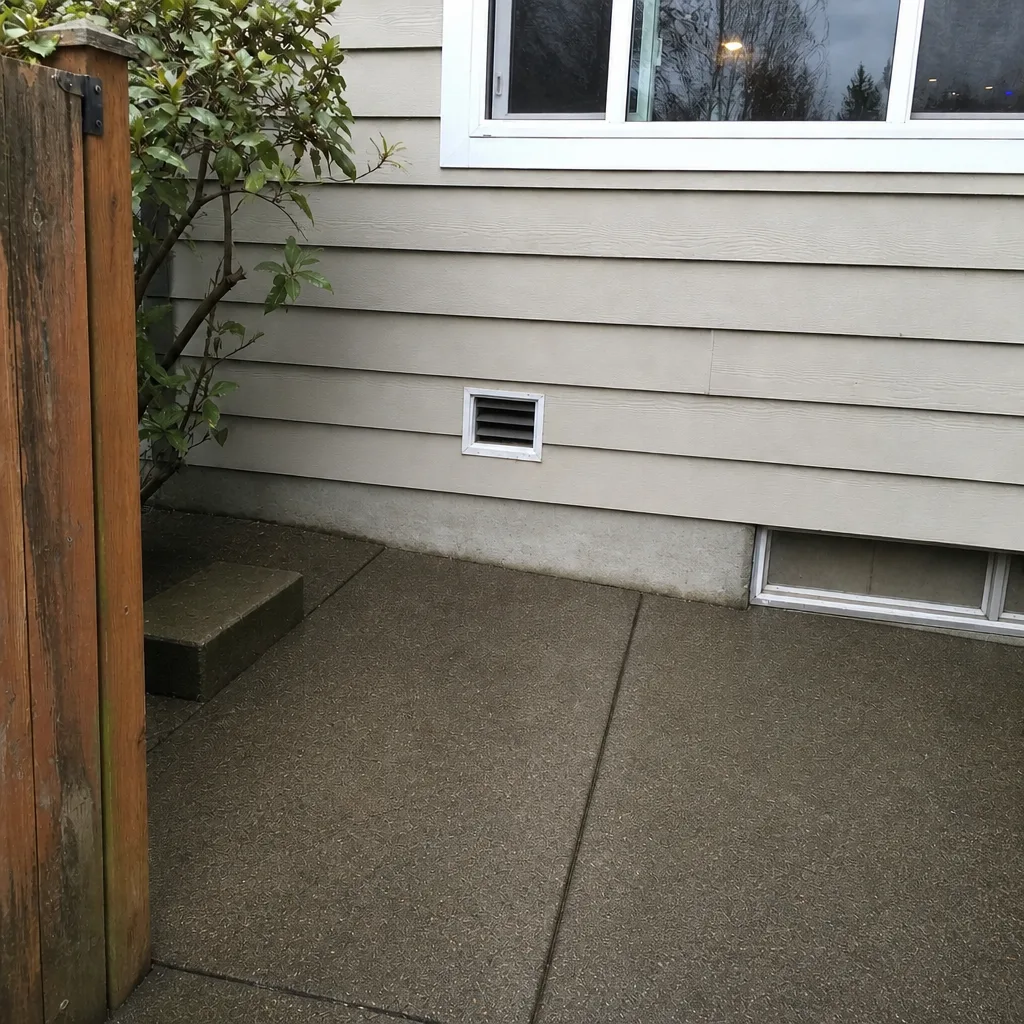 After
Frequently Asked Questions
Air duct cleaning in Renton is priced per system, and an honest quote reflects the number of branch runs, the return system, and whether the job includes HVAC cleaning or dryer vent service. The final price is set by the written estimate before work begins. Call (855) 337-1999 for an exact quote. Estimates are free.
Cheap quotes are almost always smaller in scope, not better in value. The most common pattern is cleaning the main trunk only and skipping the branch runs, or cleaning without containment so nothing gets captured. That’s why the quote looks low. It’s also why the job looks different when the technician arrives. One flat price per system, agreed before work starts, is the honest model. Call (855) 337-1999 for an exact quote. Estimates are free.
Before-and-after photos of your own ducts are the honest proof. Ask any contractor to walk you through what they found before cleaning and what it looks like after. A specialist puts a camera in the system and shows you what it sees. If a contractor won’t document the job, that’s your answer. Call (855) 337-1999 for an exact quote. Estimates are free.
Most homes don’t need duct cleaning on a fixed schedule, and any contractor who insists you need it every year is selling, not advising. The honest answer is to clean when conditions call for it: after a renovation, following water damage, when visible debris or odors show up, or when allergy symptoms track with indoor time. A home with pets, recent remodeling, or a known duct-sealing problem may justify more frequent attention. Call (855) 337-1999 for an exact quote. Estimates are free.
Washington State does not require a specific license to perform air duct cleaning, which is exactly why the contractor interview matters so much. Some general business requirements apply, and light-commercial or HVAC-modification work can touch permit territory depending on scope. If any part of the job involves changing the HVAC system rather than cleaning it, ask your city’s building department what applies. The hiring test that protects you best in Renton is not the license, it’s the five-question interview above. Call (855) 337-1999 for an exact quote. Estimates are free.
Yes. The full air pathway, including HVAC cleaning and dryer vent cleaning, is what a specialist is set up to handle in a single visit. This is the real advantage of hiring a dedicated air-pathway contractor rather than a general home-services company: you’re not coordinating three vendors for one system. Call (855) 337-1999 for an exact quote. Estimates are free.
The Bottom Line
The hiring decision in Renton comes down to your own questions, not a contractor’s marketing. Ask five things: equipment, negative pressure, camera documentation, NADCA ASCS, and post-job verification. Get a written scope that names access points, containment, disposal, and a mold policy. Get a flat price per system, agreed before work begins. Then compare at least three quotes on identical scope so the numbers mean something. Cleaner air starts with the right tools and the right questions, and in a state with almost no licensing barrier, the questions are the only real protection homeowners have. Ask them, verify the answers, and hire the specialist. For a full-pathway service that covers the entire system in one visit, air duct cleaning from a dedicated contractor is where to start. For a free estimate, call Renton Air Duct Cleaning Co at (855) 337-1999. We answer 24/7. Fast dispatch from 7am to 7pm, Sunday through Friday.
Written by the team at Renton Air Duct Cleaning Co.